Introduction to Photoelectric Sensors
Photoelectric sensors are indispensable components in modern industrial automation, serving as the "eyes" of a system. These devices detect the presence, absence, or distance of an object using a light transmitter and receiver. Their operation is based on the fundamental principle of converting light signals into electrical signals. Unlike mechanical limit switches, photoelectric sensors offer non-contact detection, which translates to longer operational life, higher precision, and faster response times. They are versatile tools found in a vast array of applications, from simple object counting on conveyor belts to complex positioning tasks in robotic assembly lines. Their ability to function reliably in harsh industrial environments—withstanding dust, moisture, and vibration—makes them a preferred choice for engineers designing robust control systems.
Core Operating Principle
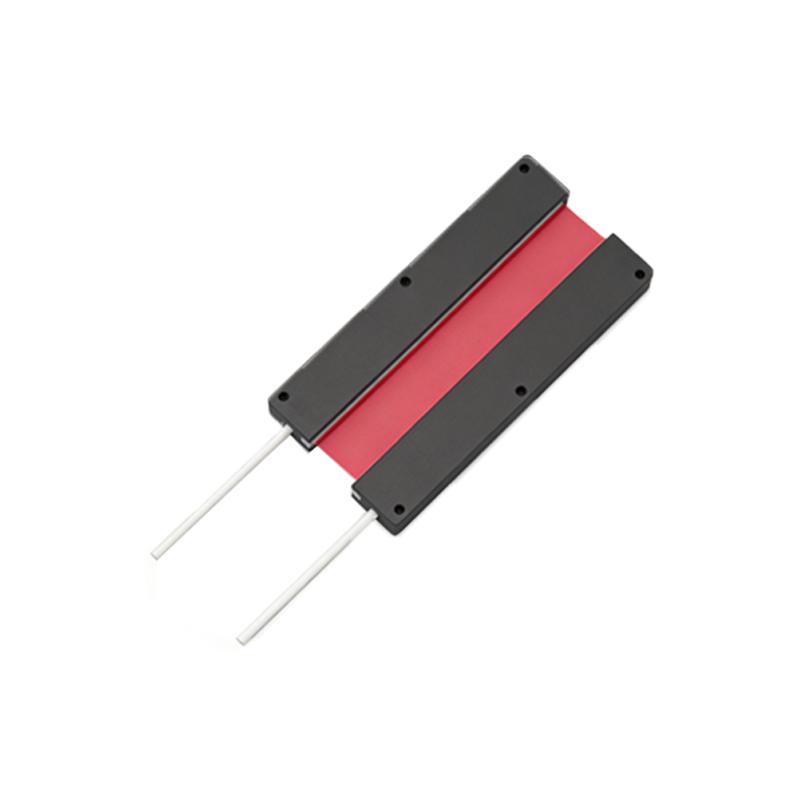
The fundamental working principle of all photoelectric sensors involves three key stages: emission, reception, and signal processing. First, a light-emitting element, typically an LED (Light Emitting Diode) or a laser diode, projects a beam of light. This emitted light can be visible red, infrared, or even specialized blue or green light for specific applications. The light travels towards the target area. A photodetector, such as a phototransistor or photodiode, is positioned to receive this light. The detector's electrical characteristics change proportionally to the intensity of the incident light. When an object interrupts or reflects this light beam (depending on the sensor type), the received light intensity at the detector alters. This change is processed by an internal circuit, which amplifies the signal and triggers a clean, digital output switch (e.g., NPN or PNP transistor output) to indicate the object's detection.
Through-Beam Sensor Function
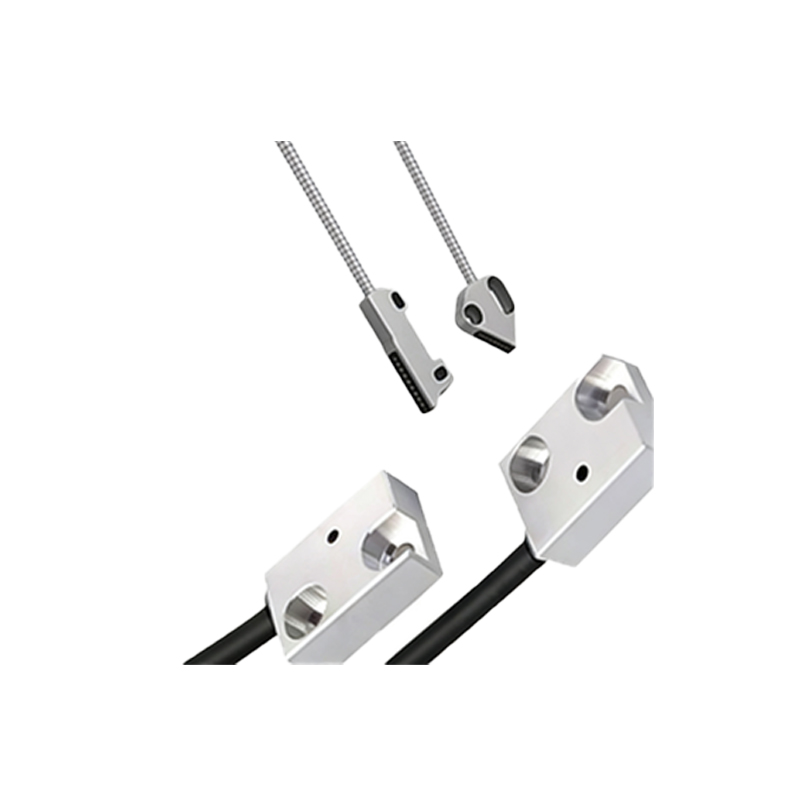
Through-beam sensors, also known as opposed-mode sensors, consist of two separate units: a transmitter and a receiver placed directly opposite each other. The transmitter continuously emits a light beam towards the receiver. Detection occurs when an object physically breaks this beam, causing the light intensity at the receiver to drop to near zero. This mode offers the longest sensing range and highest reliability because it is less susceptible to the object's color, reflectivity, or surface angle. It is ideal for detecting opaque objects of any color, even clear glass, provided the object is sufficiently opaque to the sensor's light wavelength. Common applications include safety curtains, part counting on high-speed lines, and detecting objects on conveyors where maximum distance and certainty are required.
Retro-Reflective Sensor Function
Retro-reflective sensors house both the emitter and receiver in a single housing. They operate by projecting light towards a specialized reflector, often a corner-cube reflector made of prisms or a reflective tape. This reflector is designed to return the light beam directly back to the receiver along the same path, regardless of minor misalignments. An object is detected when it interrupts this return beam. These sensors offer a good balance of range and ease of installation, as only one device needs wiring and alignment. However, they can be fooled by highly reflective objects (like shiny metal) that might bounce enough light back to the receiver, mimicking the reflector. Many modern retro-reflective sensors use polarized filters to mitigate this; the emitter's light is polarized, and the receiver only accepts light with the opposite polarization, which is precisely what the corner-cube reflector provides.
Diffuse Reflective Sensor Function
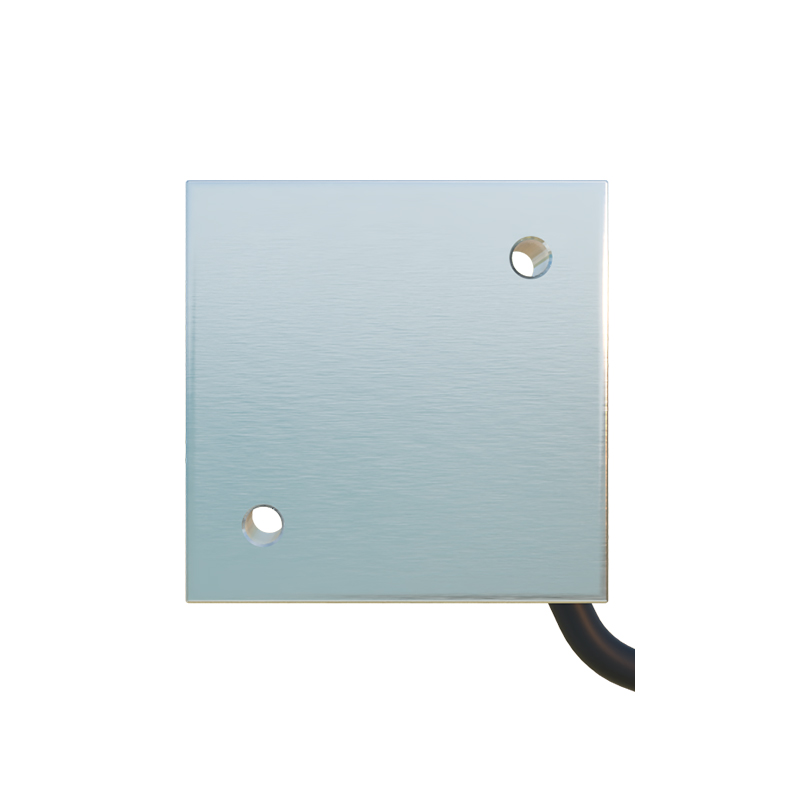
Diffuse reflective sensors, or proximity-mode sensors, also integrate the emitter and receiver into one unit. They detect an object by relying on the diffuse reflection of light from the object's surface itself. The emitted light strikes the target, scatters in many directions, and a small portion reflects back to the receiver. Detection is signaled when the reflected light intensity exceeds a preset threshold. This design allows for very compact sensors and simplifies installation, as no separate reflector or receiver unit is needed. The trade-off is a shorter sensing range and sensitivity to the object's color, texture, and reflectivity. A white object will be detected at a greater distance than a black one. These sensors are perfect for applications like detecting labels on packages, monitoring fill levels in bins, or presence detection at close range.
Specialized Sensing Modes
Beyond the three primary types, advanced photoelectric sensors incorporate specialized functions for complex tasks. Background suppression sensors use triangulation principles to detect objects only within a precise, fixed distance, ignoring any surfaces beyond that range, which is crucial for detecting objects on a conveyor regardless of the conveyor color. Contrast sensors are tuned to detect minute differences in grayscale or color, essential for label detection or mark reading. Luminescence sensors detect the presence of materials that glow under UV light, such as invisible security marks. Fiber optic sensors utilize flexible light guides to bring light to and from hard-to-reach, hot, or hazardous locations, with the amplifier unit placed remotely for safety and convenience.
Key Selection Criteria
Selecting the appropriate photoelectric sensor requires careful consideration of several technical parameters. Sensing range is the maximum reliable distance for detection. For diffuse sensors, this is highly dependent on the target's properties. Response time indicates how quickly the sensor can react to a change, critical for high-speed applications. Light source choice (red LED, infrared, laser) affects visibility for alignment, sensing range, and material penetration. The output type (NPN sinking, PNP sourcing, analog, or IO-Link digital) must be compatible with the controller (PLC). Environmental factors like IP rating for dust/water ingress, temperature range, and resistance to chemicals or vibration are paramount for long-term reliability in industrial settings.
Conclusion and Industry Outlook
Photoelectric sensors form a critical layer of perception in automated systems. Their non-contact nature, speed, and versatility solve countless detection challenges. Understanding the distinct functions and principles of through-beam, retro-reflective, and diffuse reflective models, along with their specialized variants, enables engineers to design more efficient, reliable, and intelligent machinery. The future of photoelectric sensing is moving towards greater integration with Industrial IoT (IIoT). Sensors with built-in IO-Link communication can provide detailed diagnostic data, process values, and remote configuration, transitioning from simple switches to smart data points that facilitate predictive maintenance and process optimization.