Introduction to High-Temperature Proximity Sensors
High-temperature proximity switch sensors are critical components in demanding industrial environments where extreme heat is a constant factor. These specialized sensors detect the presence or absence of an object without physical contact, operating reliably in conditions that would cause standard sensors to fail. Industries such as metal casting, glass manufacturing, automotive foundries, and power generation rely heavily on these robust devices for process control, safety interlocks, and equipment monitoring. The core technology, whether inductive, capacitive, or magnetic, is engineered with materials and designs that can withstand ambient temperatures often exceeding 150°C, with some models rated for continuous operation above 200°C or even higher for short durations. This inherent capability to perform in harsh thermal conditions justifies their position as a premium product category within the sensor market.
Key Determinants of Sensor Pricing
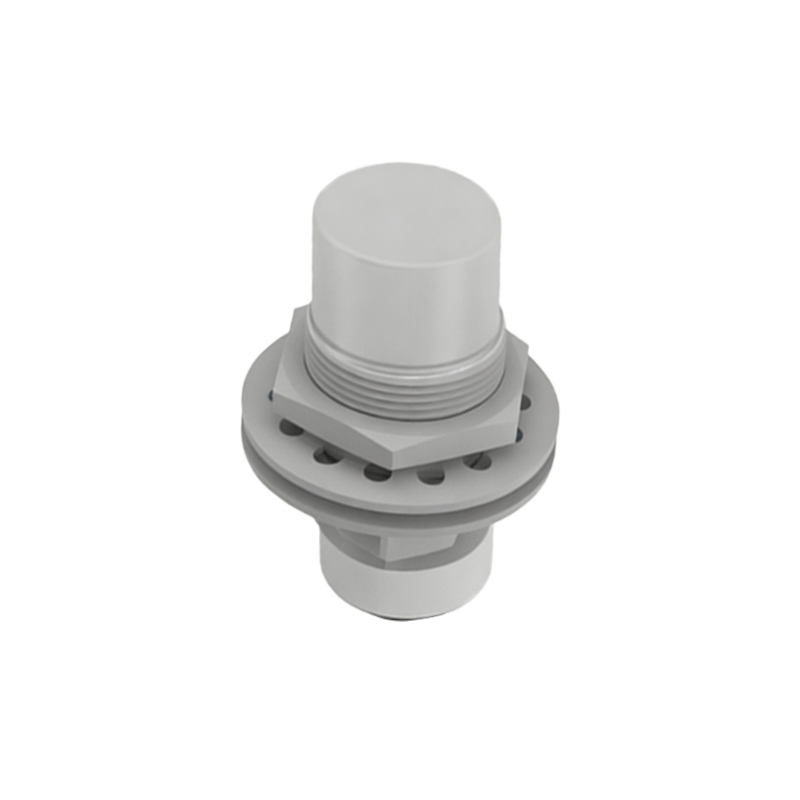
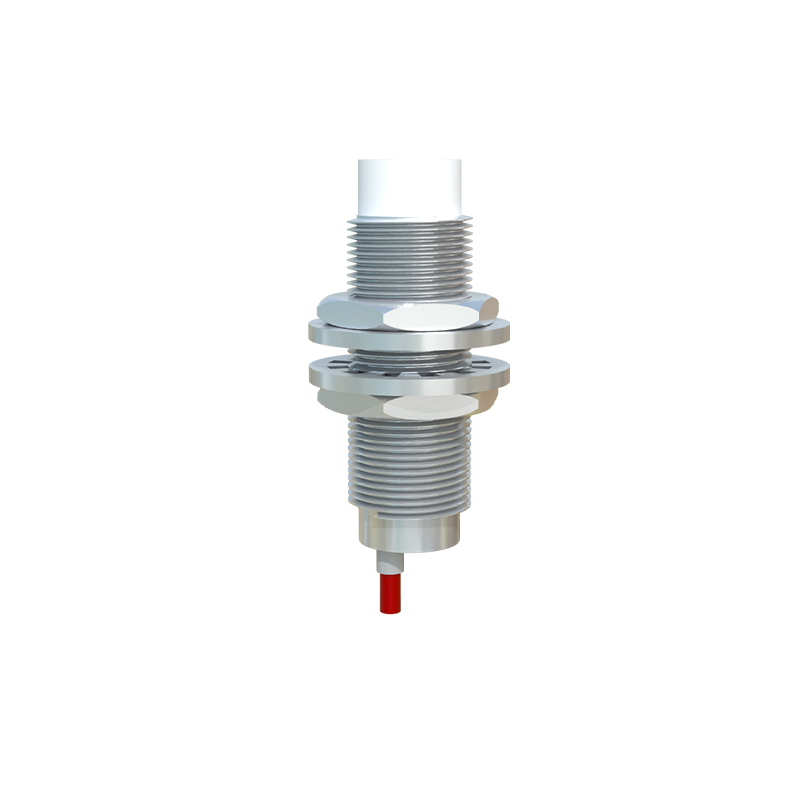
The cost of a high-temperature proximity sensor is not a single figure but a reflection of multiple engineering and specification choices. The primary cost driver is the sensing technology and its associated electronics. Inductive sensors, common for metal detection, require specially formulated ferrite cores and high-temperature-rated coils and semiconductors. Capacitive sensors, used for non-metallic materials, need stable dielectric materials. The construction materials are equally crucial. Stainless steel housings (e.g., 316L), specialized high-temperature PEEK or ceramic sensing faces, and high-grade, heat-resistant cable jackets or connector materials significantly increase the bill of materials compared to standard PVC or ABS plastics. Furthermore, the IP (Ingress Protection) rating, especially for dust and water resistance, and any required certifications (ATEX, IECEx for hazardous areas, UL, CE) add layers of compliance testing and documentation, impacting the final price.
Performance Specifications and Cost Correlation
Specific performance parameters have a direct and substantial impact on cost. The maximum rated operating temperature is the most obvious; a sensor rated for 250°C will be more expensive than one rated for 150°C due to the use of more exotic materials and potting compounds. Sensing distance also plays a role; achieving a longer range in a high-temperature environment requires more precise and robust design, increasing cost. Electrical characteristics, such as the type of output (PNP/NPN, analog, IO-Link), switching frequency, and voltage range, influence the complexity of the internal circuitry. Sensors with advanced diagnostics, like short-circuit protection, overload protection, or condition monitoring signals via IO-Link, incorporate additional electronic components and firmware development, commanding a higher price point for the added functionality and reliability.
Brand, Supply Chain, and Purchase Volume
Market positioning and brand reputation are significant factors. Established global manufacturers like Turck, Pepperl+Fuchs, IFM Electronic, and Balluff invest heavily in R&D, rigorous testing, and quality control, which is reflected in their pricing but often correlates with proven reliability and extensive technical support. The complexity of the global supply chain for specialized components can affect lead times and cost stability. Perhaps the most straightforward commercial factor is purchase volume. OEMs (Original Equipment Manufacturers) integrating these sensors into their machinery typically negotiate substantial discounts for large, recurring orders. In contrast, an end-user purchasing a single replacement unit will pay a significantly higher per-unit price, often through a distributor network that adds its margin for inventory holding and service.
Total Cost of Ownership Considerations
A savvy engineer or procurement specialist evaluates cost beyond the initial purchase price (CAPEX). The Total Cost of Ownership (TCO) is a more comprehensive metric. A higher-quality, more expensive sensor from a reputable brand may have a longer mean time between failures (MTBF), reducing costly unplanned downtime, production losses, and maintenance labor. Ease of installation and replacement, availability of technical documentation, and the manufacturer's warranty period are all value factors. A cheap sensor that fails prematurely in a critical application can lead to losses far exceeding the price difference. Therefore, the decision-making process should balance upfront cost against operational expenditure (OPEX), prioritizing reliability and longevity in harsh environments where sensor failure has consequential costs.
Conclusion and Procurement Advice
In summary, the expense of a high-temperature proximity switch sensor is a function of its technical pedigree—materials, ratings, performance, and intelligence—coupled with commercial factors like brand and volume. When specifying a sensor, clearly define the application requirements: maximum ambient temperature, target material, required sensing distance, electrical interface, and necessary certifications. Request detailed quotations from multiple suppliers, ensuring they are comparing equivalent specifications. Do not hesitate to consult directly with application engineers from sensor manufacturers; their expertise can prevent costly over-specification or dangerous under-specification. Investing time in precise selection based on TCO principles ensures optimal performance,