Introduction to Switch-Type Photoelectric Sensors
Switch-type photoelectric sensors, often referred to as photoelectric switches or photoeyes, are fundamental components in industrial automation for detecting the presence, absence, or position of objects. Unlike their analog or measuring counterparts, the switch-type provides a discrete, on/off output signal. This binary operation makes them exceptionally reliable and straightforward for applications like counting, positioning, and crucially, speed measurement. The core principle involves an emitter producing a light beam (typically infrared, visible red, or laser) and a receiver that detects the beam's interruption or reflection. The rapid transition of the output signal from one state to another forms the basis for timing and, consequently, speed calculation.
Fundamental Operating Principles for Speed Measurement
Speed measurement using these sensors relies on a simple relationship: speed equals distance divided by time. In a typical setup, the sensor is positioned to detect a feature on a rotating shaft, a moving conveyor belt, or a passing object. Common configurations include through-beam, retro-reflective, and diffuse-reflective modes. For rotational speed (RPM), a single mark or multiple marks on a disk can be used. Each time the mark passes the sensor, it interrupts the beam, causing the sensor's output to switch. By counting the number of pulses over a known period, the rotational frequency is derived. For linear speed, two sensors placed a fixed distance apart can provide a time-of-flight measurement as an object passes each one sequentially.
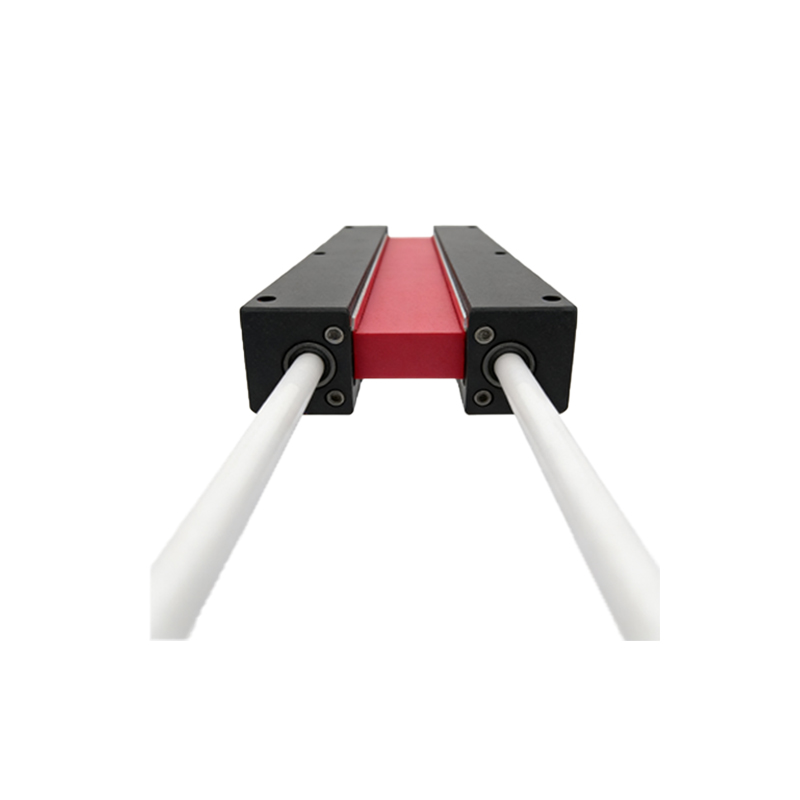
System Configuration and Installation Best Practices
Proper installation is critical for accurate and reliable speed measurement. First, select the appropriate sensor type. Through-beam sensors offer the longest sensing range and highest reliability for clear interruptions but require precise alignment. Retro-reflective models with a reflector are easier to install for detecting opaque objects. For the actual measurement point, ensure the target feature (e.g., a mark on a shaft) provides a sharp, high-contrast signal. The mark should be sufficiently large and opaque to guarantee a clean switch signal. Vibration and environmental factors like dust, moisture, or ambient light must be considered. Using sensors with modulated LED light and built-in diagnostics can mitigate interference from ambient light. Mounting must be rigid to prevent misalignment from vibration.
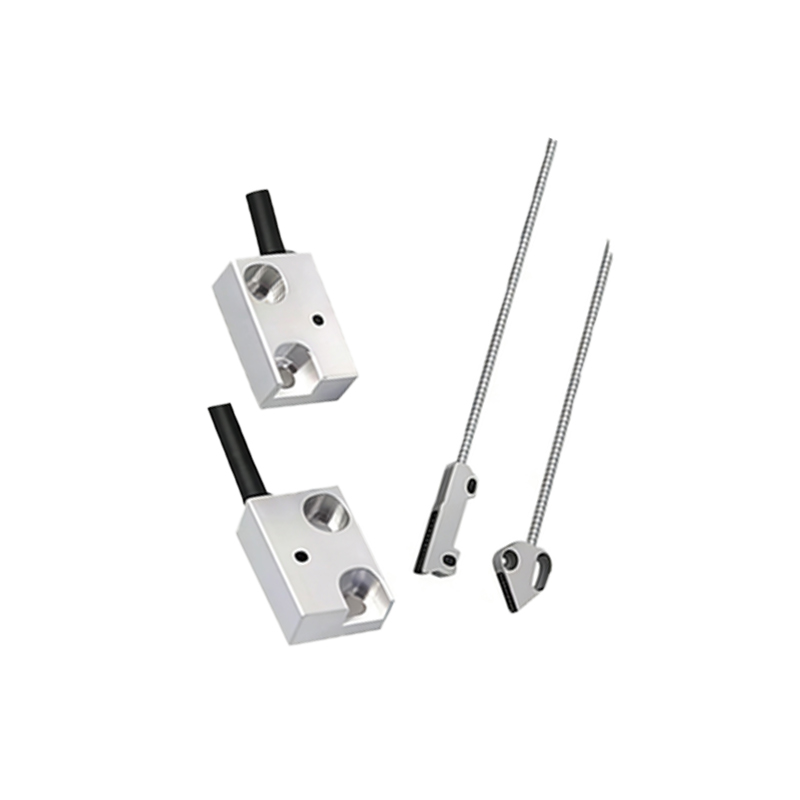
Signal Processing and Pulse Counting Methodology
The raw output from a switch-type sensor is a clean digital signal, but it requires processing to extract speed data. This is typically handled by a programmable logic controller (PLC), a dedicated tachometer module, or a microcontroller. The most common method is the frequency measurement technique. The controller counts the number of pulses (N) from the sensor over a precise gate time (T), say one second. The frequency (f) is calculated as f = N / T. For rotational speed with one mark per revolution, RPM = f * 60. For multiple marks (M), RPM = (f * 60) / M. An alternative method is the period measurement technique, which measures the time between two consecutive pulses, useful for very low speeds. High-speed counters in PLCs are essential for accurate pulse capture at high velocities.
Accuracy Considerations and Error Sources
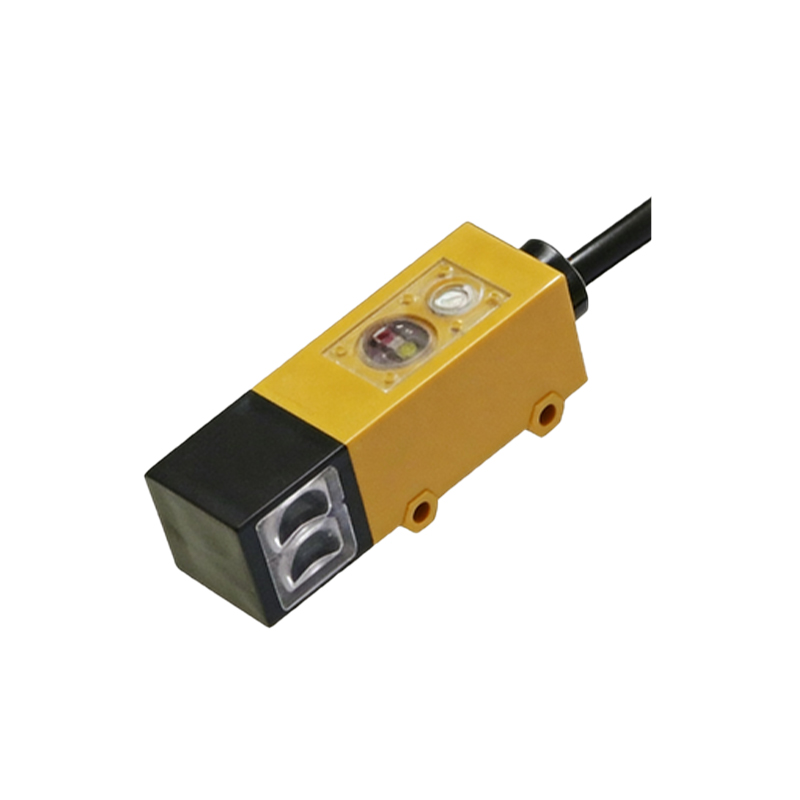
Several factors can affect the accuracy of speed measurements. The primary limit is the sensor's response time—the delay between the actual beam interruption and the output switch. High-speed applications require sensors with very fast response times (microseconds). Jitter in the pulse signal, caused by mechanical vibration or target surface irregularities, can lead to counting errors. Using debounce filters in software or hardware can smooth the signal. The precision of the known distance (for linear speed) or the exact number of marks (for rotational speed) directly impacts the result. For high-accuracy RPM measurement, using an encoder is superior, but for many industrial monitoring and control tasks, switch-type photoelectric sensors provide a cost-effective and sufficiently accurate solution when these error sources are managed.
Practical Industrial Application Examples
In conveyor systems, speed monitoring is vital for process synchronization and bottleneck detection. A sensor counting the gaps between packages on a conveyor can calculate line speed, allowing for automatic adjustment of downstream equipment. In motor and pump monitoring, a simple tab on a cooling fan or coupling, sensed by a photoelectric switch, provides vital RPM data for predictive maintenance, alerting operators to under-speed or over-speed conditions. In packaging machinery, the speed of a rotary filler or capper is often verified using a single sensor and a single mark per revolution to ensure it operates within tolerance. These applications highlight the sensor's role in ensuring efficiency, safety, and quality.
Conclusion and Selection Guidelines
Switch-type photoelectric sensors offer a robust, economical, and straightforward method for speed measurement in countless industrial scenarios. When designing such a system, key selection criteria include the required sensing distance and mode, response speed, environmental protection rating (IP rating), and output type (PNP/NPN). For speed measurement specifically, prioritize sensors with a fast response time and a stable, repeatable output signal. Always pair the sensor with appropriate signal conditioning and counting logic. While not suitable for ultra-high-precision motion control, they remain an indispensable tool for engineers seeking reliable speed verification and monitoring across a wide range of machinery and automated processes.