In the world of automation and smart technology, proximity sensors are the unsung heroes. These devices detect the presence or absence of an object within a specific range without any physical contact. This non-contact operation is their defining feature, leading to high reliability, long operational life, and minimal maintenance. The core principle involves emitting a field or beam and looking for changes in the field or the return signal. The target object itself becomes the sensor's actuator.
The technology behind these sensors is diverse, each suited for different environments and materials. Inductive proximity sensors are among the most common. They generate an electromagnetic field and detect eddy current losses caused by conductive metals entering the field. They are exceptionally robust, immune to environmental factors like dust or oil, and perfect for industrial settings involving metal parts, such as counting products on a conveyor belt or determining the position of a machine part.
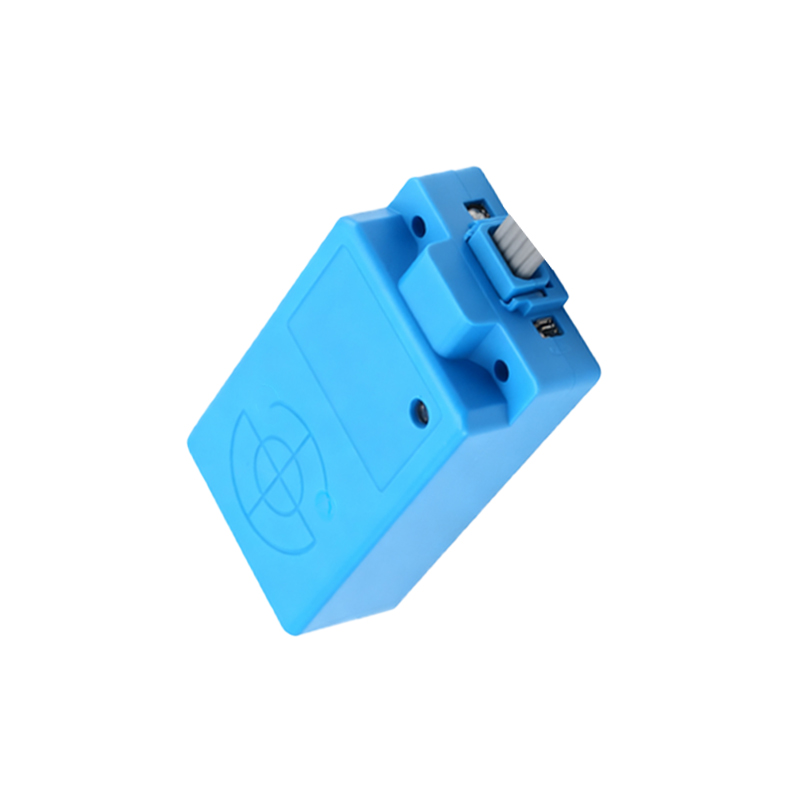
Capacitive proximity sensors, on the other hand, can detect both metallic and non-metallic materials like liquids, plastics, wood, or granules. They work by measuring changes in capacitance between the sensor and the target. This makes them versatile for applications beyond metal detection, such as monitoring fluid levels in a tank, detecting the presence of a plastic bottle, or serving as touch-sensitive switches.
For longer ranges and precise detection of any solid object, photoelectric sensors are the go-to choice. They operate by emitting a light beam (visible, infrared, or laser) and detecting its reflection or interruption. They are categorized into through-beam, retro-reflective, and diffuse-reflective types, offering solutions for complex positioning tasks, object counting on high-speed lines, and even safety curtains to protect personnel.
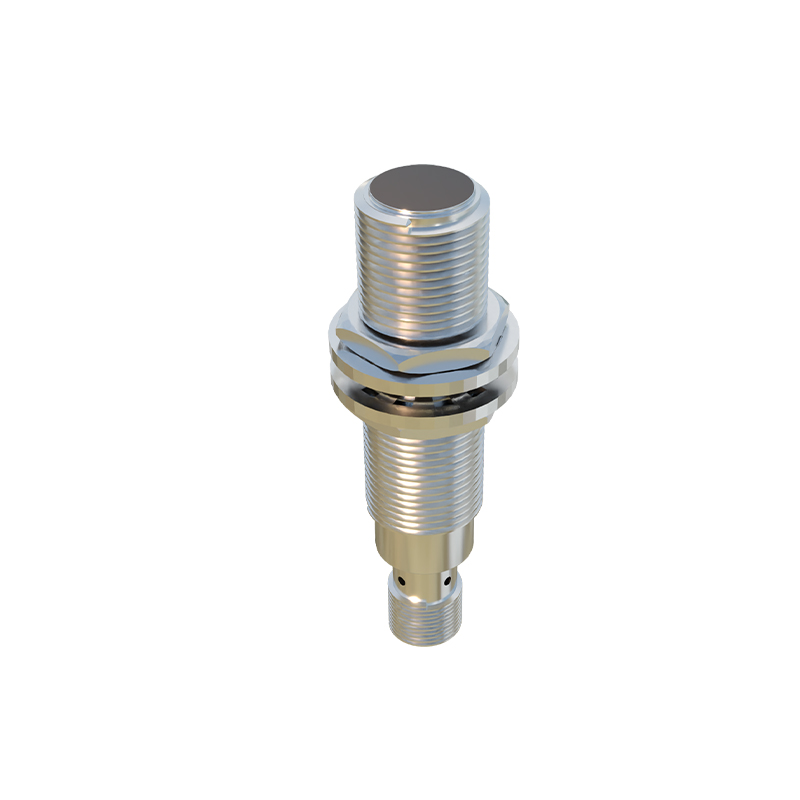
Ultrasonic sensors use sound waves beyond human hearing. They measure the time it takes for an emitted sound pulse to bounce back from a target. Excellent for detecting objects regardless of color, transparency, or material, they are ideal for challenging conditions like fog, dust, or measuring the distance to liquid surfaces in bulk storage.
Magnetic proximity sensors, often called reed switches, are activated by the presence of a permanent magnet. They are simple, cost-effective, and commonly used for door and window position sensing in security systems or as limit switches in clean environments.
Selecting the right proximity sensor requires careful consideration of several factors. First, identify the target material. Is it ferrous metal, non-ferrous metal, plastic, or liquid? This immediately narrows down the choice to inductive, capacitive, or other types. Next, consider the required sensing distance or range. Nominal sensing ranges are specified by manufacturers, but factors like target size, shape, and material can affect real-world performance. Always consult the sensor's data sheet for derating curves.
The operating environment is critical. Will the sensor be exposed to extreme temperatures, washdowns with corrosive chemicals, heavy vibration, or electromagnetic interference? Sensors are rated with Ingress Protection (IP) codes for dust and water resistance and NEMA ratings for industrial durability. Choosing a sensor with an appropriate housing material (e.g., stainless steel for food processing) and protection rating is essential for longevity.
Finally, consider the electrical output needed. Most sensors provide a digital on/off signal. The key decision is between a sinking (NPN) or sourcing (PNP) transistor output, which must match the input card of your controller (PLC). Other outputs include analog (for distance proportional voltage/current) or IO-Link for advanced diagnostics and parameter setting.
From the smartphone in your pocket that turns off the screen when held to your ear, to the complex robotic assembly line, proximity sensors enable seamless and efficient operation. Their ability to provide reliable, contactless feedback is foundational to modern manufacturing, automotive systems, consumer electronics, and building automation. By understanding their operating principles and key selection criteria, engineers and technicians can effectively integrate these powerful components to create smarter, safer, and more productive systems.