Understanding Proximity Switch Sensor Basics
A proximity switch sensor is a non-contact electronic device that detects the presence or absence of an object within its sensing range. It operates by generating an electromagnetic field or beam and monitoring changes caused by a target. These sensors are widely used in industrial automation, robotics, and safety systems due to their reliability and durability. The core function involves sensing an object and triggering a response, which leads to the critical question of whether the sensor connects to an output or input in a control system. This distinction is fundamental to proper integration and operation.
Defining Input and Output in Control Systems
In industrial control systems, inputs and outputs refer to signals that communicate with a programmable logic controller (PLC) or other control units. Inputs are signals received by the controller from sensors or switches, providing data about the system's state. Outputs are signals sent from the controller to actuators, such as motors or valves, to perform actions. A proximity sensor typically acts as an input device because it supplies information—like whether an object is detected—to the controller. However, confusion often arises because the sensor itself has an output signal that connects to the controller's input terminal.
Proximity Sensor as an Input Device
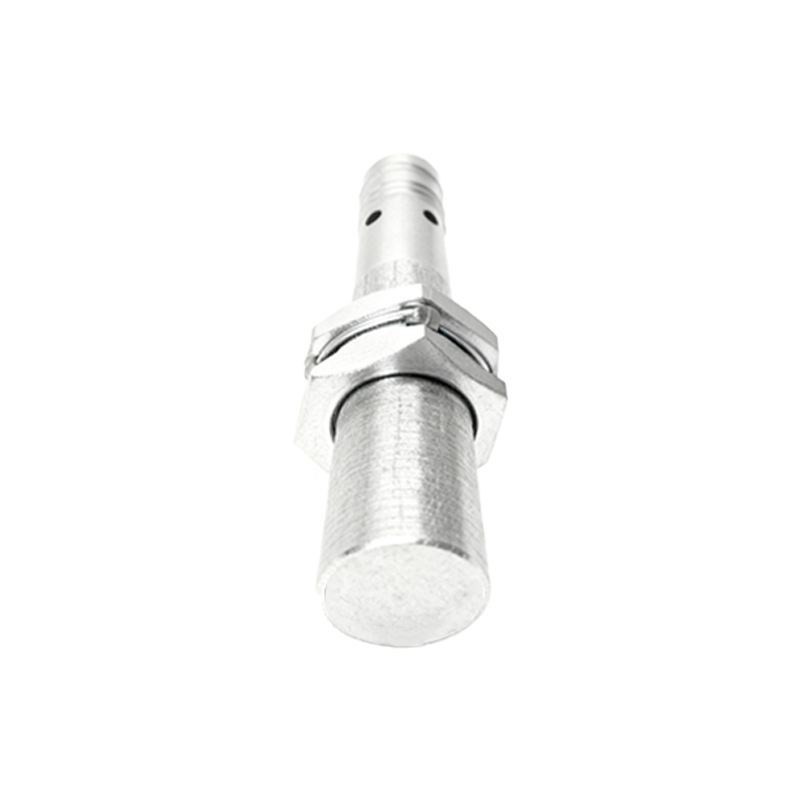
Most proximity switch sensors are designed as input devices in control loops. When a target enters the sensing range, the sensor's internal circuitry changes state, producing an electrical signal (e.g., a voltage or current change). This signal is transmitted via the sensor's output wires to an input module on a PLC. For example, in a conveyor system, a proximity sensor might detect a package and send a signal to the PLC, which then processes it as input data to decide the next action, like stopping a motor. Thus, the sensor's output connects to the system's input, making it an input source.
Types of Proximity Sensor Outputs
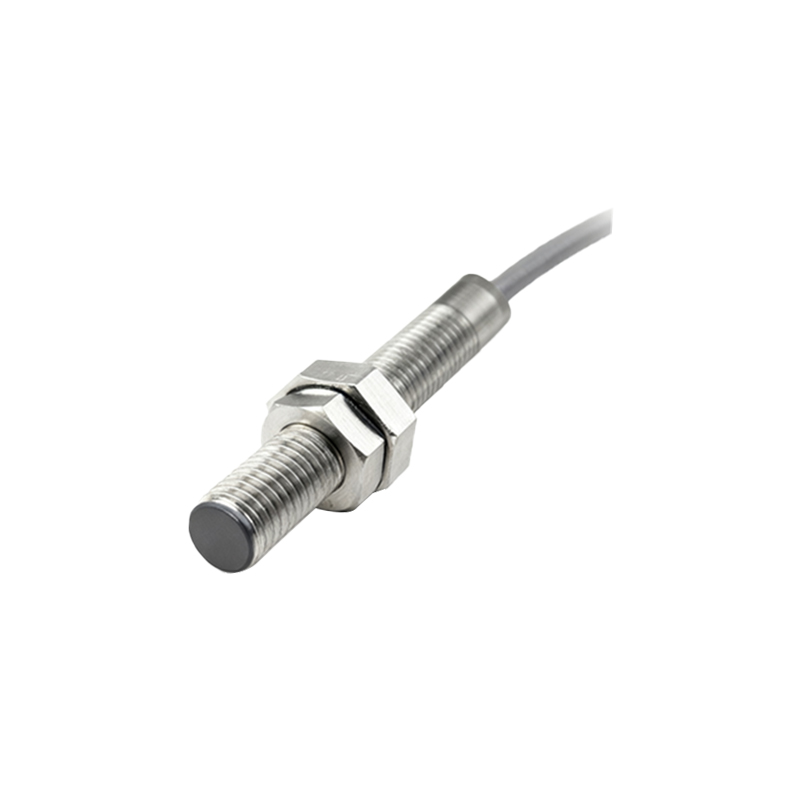
Proximity sensors come with various output configurations, which influence how they interface with control systems. Common types include digital outputs like NPN (sinking) or PNP (sourcing), which provide a discrete on/off signal, and analog outputs, which offer a continuous signal proportional to distance. Some sensors also feature relay outputs for switching higher loads. Regardless of type, these outputs are wired to input points on controllers. Choosing the right output depends on factors such as voltage levels, load requirements, and compatibility with the control system's input modules.
Wiring and Connection Guidelines
Proper wiring is essential for reliable operation. Typically, a proximity sensor has three wires: power supply (often 10-30V DC), ground, and output. The output wire connects to the controller's input terminal. For instance, with a PNP sensor, the output wire provides positive voltage when activated, linking to a digital input. It's crucial to follow manufacturer diagrams and ensure correct polarity and shielding to avoid interference. Additionally, consider environmental conditions like temperature and moisture, which may affect connections and necessitate protective enclosures.
Common Misconceptions and Troubleshooting
A frequent error is misidentifying the sensor as an output device, leading to incorrect wiring that prevents system function. Another issue involves mismatched output types—e.g., connecting an NPN sensor to a PNP-compatible input without proper adaptation. Troubleshooting steps include checking power supply stability, verifying wiring against schematics, and testing the sensor's output with a multimeter. Regular maintenance, such as cleaning sensing faces and inspecting cables, can prevent failures and ensure accurate input signaling to controllers.
Applications and Best Practices
In practice, proximity sensors serve as inputs in diverse applications, from counting items on production lines to positioning machinery in automotive assembly. Best practices include selecting sensors with appropriate sensing ranges and output types for the task, using shielded cables to reduce electrical noise, and programming controllers to correctly interpret input signals. Integrating sensors with safety systems, like emergency stops, requires adherence to standards like IEC 60947-5-2 to ensure reliable input for hazard prevention.
Conclusion: Emphasizing the Input Role
To summarize, a proximity switch sensor is fundamentally an input device in control systems, as it provides critical data to controllers. Its output terminal connects to the system's input, enabling automated decisions. Understanding this relationship is key to effective installation and operation. By focusing on proper output-to-input wiring and adhering to industry standards, engineers can optimize sensor performance and enhance overall system efficiency in industrial settings.