Introduction to Built-in Amplifier Photoelectric Sensors
Built-in amplifier photoelectric sensors represent a significant advancement in industrial automation, integrating the sensing element and signal conditioning circuitry into a single, compact housing. Unlike traditional sensors that require separate amplifier units, these all-in-one devices simplify installation, reduce wiring complexity, and enhance system reliability. They operate on the fundamental principle of converting light signals into electrical outputs. A light emitter, typically an LED, projects a beam towards a target. The receiver then detects the presence, absence, or intensity of the reflected or transmitted light. The integrated amplifier processes this weak signal, compares it to a preset threshold, and generates a clear, stable switching output—either digital (ON/OFF) or analog—suitable for direct connection to programmable logic controllers (PLCs) and other control systems. This design is pivotal for applications demanding space efficiency and quick setup.
Key Operating Principles and Sensing Modes
These sensors primarily function in three distinct modes: through-beam, retro-reflective, and diffuse reflective. In through-beam mode, the emitter and receiver are housed in separate units facing each other. An object is detected when it interrupts the light beam traveling from the emitter to the receiver. This mode offers the longest sensing range and highest reliability, ideal for precise detection. Retro-reflective mode employs a single housing containing both emitter and receiver, along with a reflector. The sensor detects an object when it blocks the light beam reflected back from the reflector. Diffuse reflective mode, also a single-unit design, detects objects based on the light diffusely reflected directly from the target's surface. The built-in amplifier is crucial here, as it must distinguish the weak diffuse reflection from ambient light, often utilizing background suppression or fixed-field teaching techniques to ensure accuracy despite varying target colors or surface finishes.
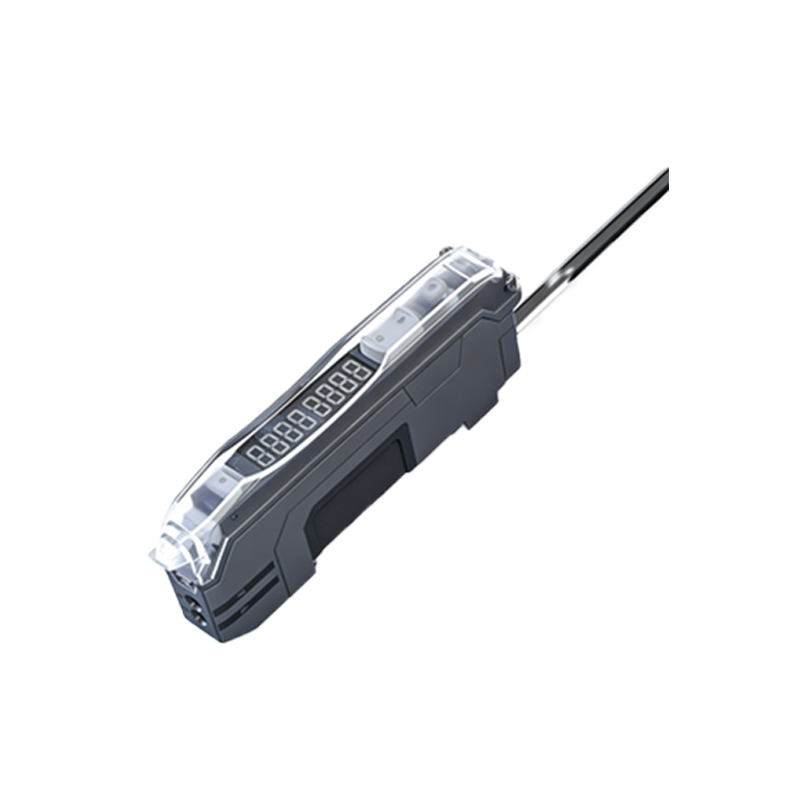
Advantages of Integrated Amplifier Design
The integration of the amplifier delivers numerous operational benefits. Firstly, it drastically reduces installation time and cost by eliminating the need for external amplifier boxes, complex wiring, and separate power supplies for the sensor head. System reliability improves because there are fewer connection points prone to failure. The compact form factor allows for installation in tight spaces where traditional sensor-amplifier pairs would not fit. Furthermore, built-in amplifiers often feature advanced functionalities like teach-in programming for setting sensitivity, adjustable response times, and various output configurations (NPN/PNP, NO/NC). Many models include status indicators (like stable operation or alarm LEDs) for easy diagnostics and maintenance. This self-contained nature also enhances resistance to electrical noise, ensuring stable performance in electrically harsh industrial environments.
Critical Selection Criteria for Application Success
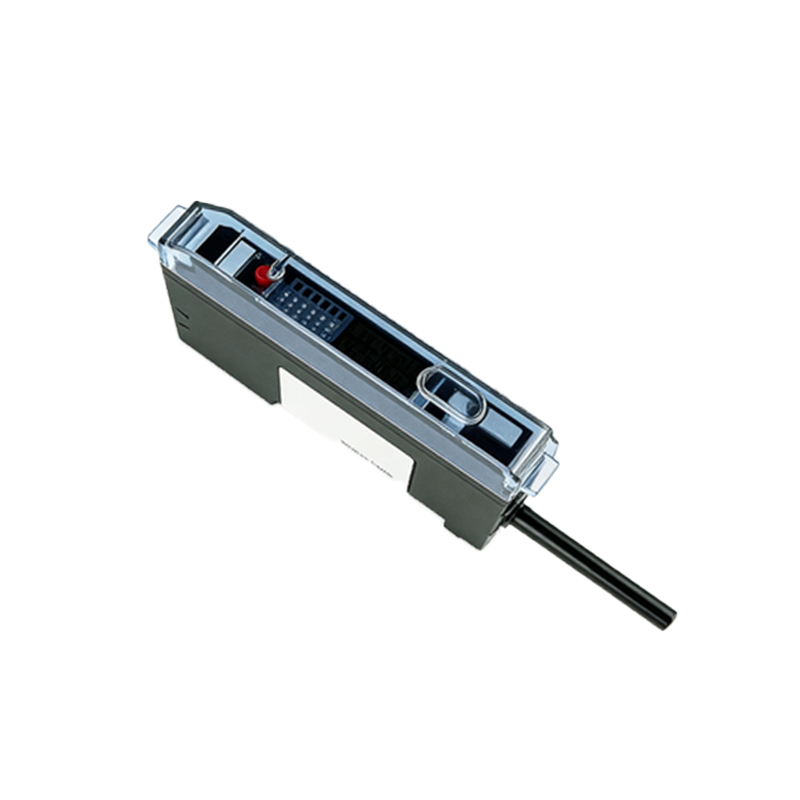
Selecting the appropriate built-in amplifier photoelectric sensor requires careful consideration of several application parameters. Sensing range is paramount; it must accommodate the maximum distance between the sensor and the target. The type of target—its size, material, color, and surface texture—directly influences the choice of sensing mode and required sensitivity. Environmental conditions such as temperature extremes, humidity, dust, oil mist, or ambient light interference dictate the necessary ingress protection (IP) rating and housing material (e.g., metal or plastic). Electrical requirements include the operating voltage range (commonly 10-30V DC) and output type (complementary to the PLC input). Additional features like built-in timers, counters, or analog current/voltage outputs may be necessary for specialized tasks. Consulting detailed datasheets and, if possible, testing a sample in the actual application environment is highly recommended.
Common Industrial Applications and Use Cases
Built-in amplifier photoelectric sensors are ubiquitous across manufacturing and logistics. In packaging lines, they accurately detect the presence of boxes, bottles, or labels on high-speed conveyors, triggering fillers, cappers, or labelers. In material handling, they count objects, monitor stack heights, and control sorting gates. Automotive assembly relies on them for precise part positioning and robot guidance. Their robustness makes them suitable for harsh environments like woodworking or metalworking, where they detect chips or monitor tool presence. In cleanrooms or food & beverage processing, stainless-steel housed variants ensure hygiene and corrosion resistance. Essentially, any process requiring non-contact, reliable object detection benefits from the simplicity and performance of these integrated sensors.
Installation Tips and Maintenance Best Practices
Proper installation is key to optimal performance. Ensure the sensor is securely mounted to minimize vibration, which can cause false triggering. Align through-beam and retro-reflective sensors carefully; even slight misalignment can drastically reduce effective range. For diffuse sensors, consider the target's reflectivity and adjust the sensitivity using the teach function. Avoid mounting sensors where they face direct sunlight or other strong light sources to prevent interference. Provide stable, clean power within the specified voltage range, and use shielded cables in areas with high electromagnetic noise. Regular maintenance involves keeping the lens clean from dust, oil, or debris using a soft cloth and checking mounting hardware for tightness. Most modern sensors have diagnostic LEDs that simplify troubleshooting by indicating power status, output activation, and fault conditions.
Future Trends and Technological Developments
The evolution of built-in amplifier photoelectric sensors continues, driven by Industry 4.0 and smart factory concepts. Future trends point toward increased miniaturization without sacrificing performance or sensing range. Enhanced connectivity is a major focus, with sensors incorporating IO-Link for digital communication, enabling remote configuration, real-time diagnostics, and parameter download from a central controller. Integration of more sophisticated intelligence, such as the ability to distinguish between multiple object types or detect subtle changes in surface condition, is on the horizon. Power efficiency will improve, and designs will become even more resilient to extreme environments. Ultimately, these sensors are evolving from simple switches into intelligent data points within the larger industrial IoT ecosystem, providing valuable insights for predictive maintenance and process optimization.