Understanding Proximity Sensor Types and Price Ranges
The cost of a proximity sensor is not a single figure but a spectrum heavily influenced by its underlying technology. Inductive proximity sensors, designed to detect metallic objects, are often the most economical entry point. Basic shielded tubular models can start as low as $15 to $30 USD per unit for standard M12 or M18 form factors in moderate quantities. Capacitive sensors, capable of detecting non-metallic materials like plastics, wood, or liquids, typically carry a 10-30% premium over their inductive counterparts, with prices commonly ranging from $25 to $50 each. Photoelectric sensors, offering the longest sensing ranges and versatile detection modes (diffuse, retro-reflective, through-beam), present a wider price bracket. Simple diffuse models may begin around $30, while specialized, long-range, or background suppression models can easily cost $80 to $150 or more. Ultrasonic sensors, prized for their ability to detect objects regardless of color or material at good ranges, generally start at a higher baseline, often between $50 and $100, with advanced analog or IO-Link versions exceeding $200.
Key Factors Driving the Final Price Tag
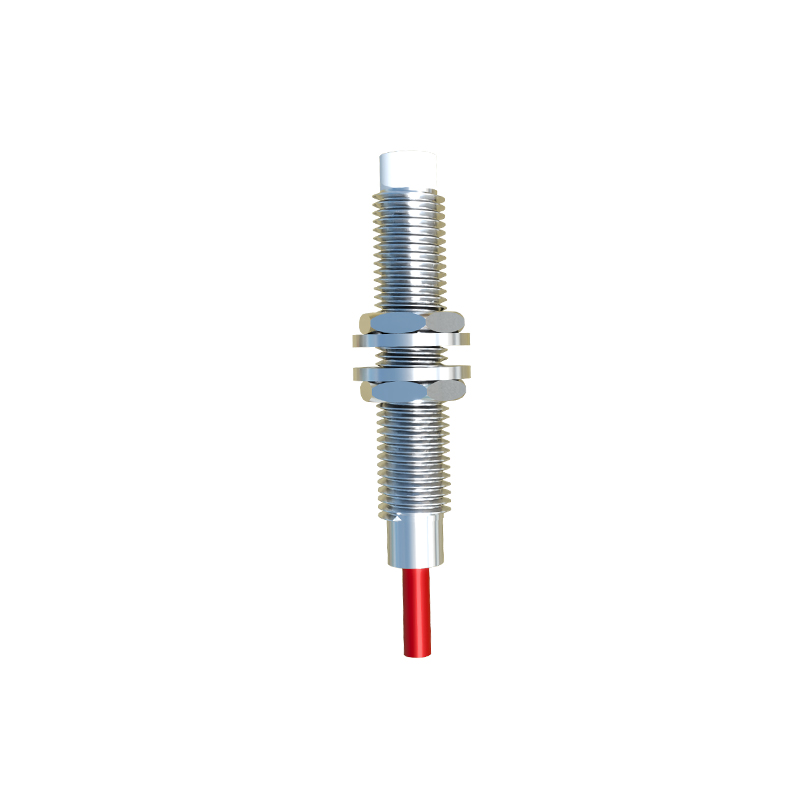
Beyond the core technology, several engineering specifications directly impact the price. Sensing range is a primary cost driver; a standard 5mm range inductive sensor is inexpensive, but one with a 15mm or 30mm range will cost significantly more. The housing material also matters: nickel-plated brass or stainless steel housings for washdown or corrosive environments (IP67, IP69K ratings) increase cost compared to standard PVC or PBT housings. Output configuration (PNP vs. NPN, NO vs. NC) has a minor effect, but analog outputs (4-20mA, 0-10V) or advanced digital interfaces like IO-Link add substantial cost due to increased circuitry and intelligence. Brand reputation and supply chain reliability are major factors. Established global brands like Siemens, Omron, Pepperl+Fuchs, and Banner Engineering command a premium, often 20-50% higher than generic or value-line brands, justified by rigorous testing, documentation, and global technical support.
Quantity and Sourcing: Unit Price vs. System Cost
The procurement channel and order quantity dramatically affect the per-unit cost. Purchasing a single sensor from a distributor's stock for a prototype or repair will incur the highest unit price. For production volumes, direct purchasing agreements with manufacturers or authorized distributors lead to substantial discounts. Ordering 100 units might reduce the unit cost by 15-25%, while a 1,000-piece order could see discounts of 30-40% off the list price. It is crucial to consider the total system cost, not just the sensor tag. This includes mounting accessories, connecting cables (pre-molded cables are more expensive than separate connectors), and the time required for installation and calibration. A slightly more expensive, feature-rich sensor that simplifies installation and reduces downtime often provides a lower total cost of ownership.
Specialized Sensors and Additional Cost Considerations
Special application requirements lead to specialized and higher-cost sensors. Cylindrical factor sensors with extended temperature ranges (-40°C to 85°C), high-pressure resistance for hydraulic applications, or those certified for functional safety (SIL2/PLe) can be two to three times the price of a standard industrial sensor. Magnetic proximity sensors (reed switches) are generally low-cost but are limited in application. Furthermore, modern "smart" sensors with integrated diagnostics, parameterization via software, and networking capabilities via IO-Link or Ethernet/IP add a layer of cost for the added functionality and data integration benefits. Always factor in potential lead times; a readily available standard sensor is cheaper than a custom-configured one with a 12-week lead time, which carries hidden costs from project delays.
Making a Cost-Effective Selection for Your Application
Selecting the right proximity sensor is an exercise in value engineering, not just finding the lowest price. Start by rigorously defining the application requirements: target material, required sensing distance, environmental conditions (temperature, contaminants), required response speed, and output needs. For a simple metal detection task in a benign environment, a standard inductive sensor from a reputable value-line brand offers the best balance of cost and reliability. For complex tasks involving varying materials or harsh washdown, investing in a robust capacitive or ultrasonic sensor from a top-tier supplier prevents future failures and production losses. Consult distributor catalogs and online configurators for precise list prices, but always request a formal quote for your specific volume to get an accurate commercial picture. The most economical sensor is the one that solves the problem reliably for the longest time.
SEO关键词