Introduction to 24V Proximity Sensors
In the realm of industrial automation, 24V proximity sensors stand as fundamental components, providing reliable, non-contact detection of metallic and, in some cases, non-metallic objects. Operating on a standard 24V DC supply, these sensors are the backbone of countless control systems, offering a robust and safe voltage level for factory environments. Their primary function is to detect the presence or absence of an object within a specified sensing range without any physical contact, thereby eliminating mechanical wear and enabling high-speed operation. This non-contact principle ensures longevity and consistent performance in demanding applications, from packaging machinery to automotive assembly lines.
Operating Principles and Key Technologies
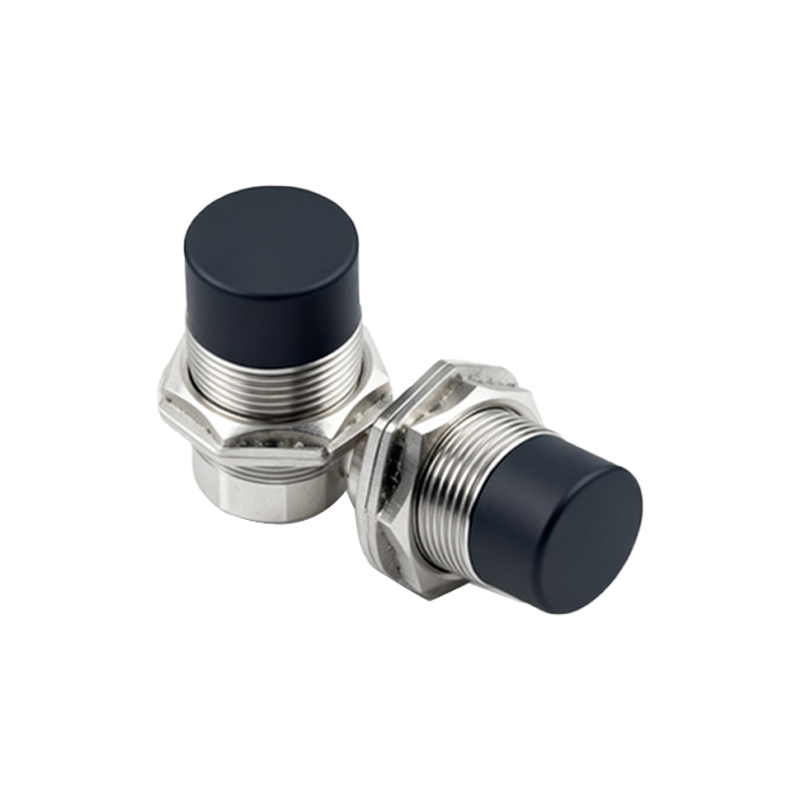
The effectiveness of 24V proximity sensors hinges on their underlying technology. The most prevalent type is the inductive proximity sensor, which generates an electromagnetic field. When a metallic target enters this field, it induces eddy currents, causing a change in the sensor's oscillation amplitude. This change is detected by the internal circuitry, which then switches the output state. For detecting non-metallic materials like plastic, wood, or liquids, capacitive proximity sensors are employed. These sensors detect changes in capacitance caused by the target material altering the sensor's electrostatic field. Both types typically provide a digital output—either NPN (sinking) or PNP (sourcing)—compatible with standard Programmable Logic Controllers (PLCs) and other 24V control systems.
Critical Advantages in Industrial Settings
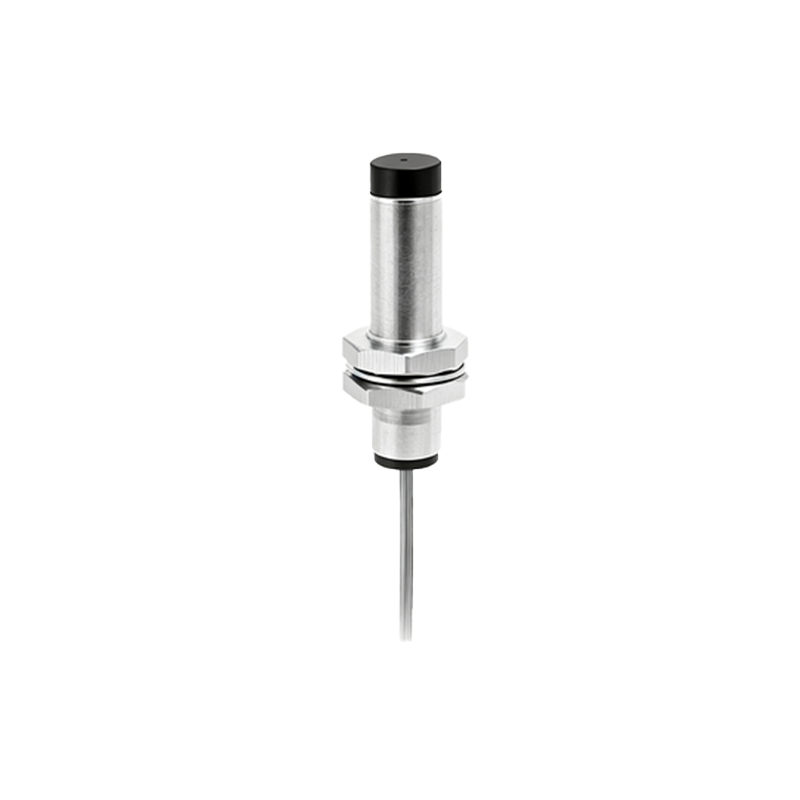
The widespread adoption of 24V DC as an industry standard power supply is a key driver for these sensors. This voltage level offers a optimal balance between safety and performance, reducing risks associated with higher voltages while providing sufficient signal integrity over longer cable runs. The non-contact nature of proximity sensors grants them exceptional durability, with no moving parts to wear out, leading to minimal maintenance and a long operational life. They are capable of extremely fast response times, often in the microsecond range, which is crucial for high-speed counting, positioning, and inspection tasks. Furthermore, their solid-state construction makes them highly resistant to vibration, shock, and environmental contaminants like dust and oil, especially when housed in rugged, IP-rated enclosures.
Primary Application Areas
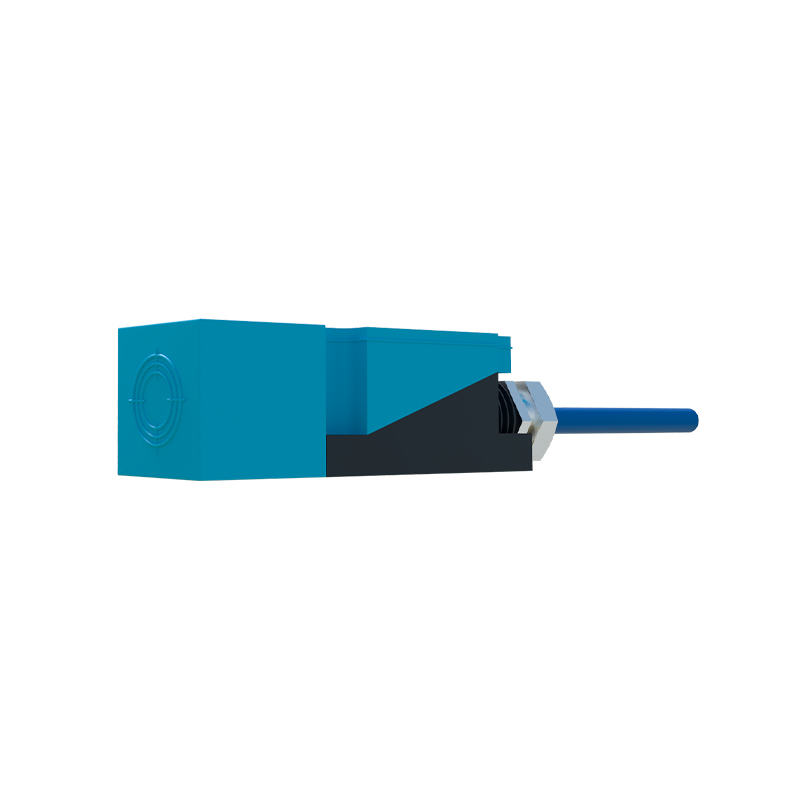
24V proximity sensors find utility across virtually every sector of manufacturing. In material handling, they are used for object detection on conveyors, pallet positioning, and bin level detection. Within automated assembly, they ensure components are present and correctly positioned before a process step is executed. They serve as essential limit switches in robotics, defining safe travel boundaries and precise end-points. Machine tools utilize them for tool breakage detection and part positioning. Their role in safety interlocks is also vital, ensuring guards are closed before a machine can cycle. The versatility of their mounting options—flush, non-flush, and in specialized form factors—allows for seamless integration into complex machinery.
Selection Criteria and Installation Best Practices
Selecting the correct 24V proximity sensor requires careful consideration of several parameters. The sensing range, which is typically a few millimeters to several tens of millimeters, must be appropriate for the application, accounting for the target material's size and composition. The housing material, such as nickel-plated brass or stainless steel, must be chosen for its chemical and mechanical resilience in the specific environment. Engineers must also specify the correct output configuration (NPN/PNP) and connection type (pre-wired cable or quick-disconnect) to match the control system. During installation, it is imperative to ensure proper alignment with the target, maintain the specified mounting distances to avoid mutual interference between sensors, and provide adequate shielding for cables in electrically noisy environments to prevent false triggering.
Future Trends and Integration
The evolution of 24V proximity sensors is closely tied to the advancement of Industry 4.0 and smart manufacturing. Modern sensors increasingly feature IO-Link communication capability, transforming them from simple binary switches into intelligent devices that can transmit detailed diagnostic data—such as operating temperature, signal strength, and device health—to higher-level control systems. This facilitates predictive maintenance, reducing unplanned downtime. Furthermore, the development of sensors with enhanced sensing ranges, improved immunity to electromagnetic interference (EMI), and miniaturized form factors continues to expand their application possibilities. Their integration with networked systems and the Industrial Internet of Things (IIoT) is solidifying their role as critical data points within the connected factory of the future.