Understanding the Fundamentals of Photoelectric Sensing
Photoelectric sensors are indispensable tools in modern industrial automation, used for detecting the presence, absence, or position of objects without physical contact. Their operation is based on the emission of a light beam, typically from an LED or laser diode, and the reception of this light by a photodetector. The core principle involves analyzing changes in the received light signal caused by the target object. This non-contact nature makes them ideal for applications involving fragile items, high-speed production lines, or harsh environments where wear and tear is a concern. Before diving into mode selection, a solid grasp of these basic principles is crucial for making an informed decision that aligns with specific application requirements and environmental constraints.
Comparing Through-Beam and Retroreflective Modes
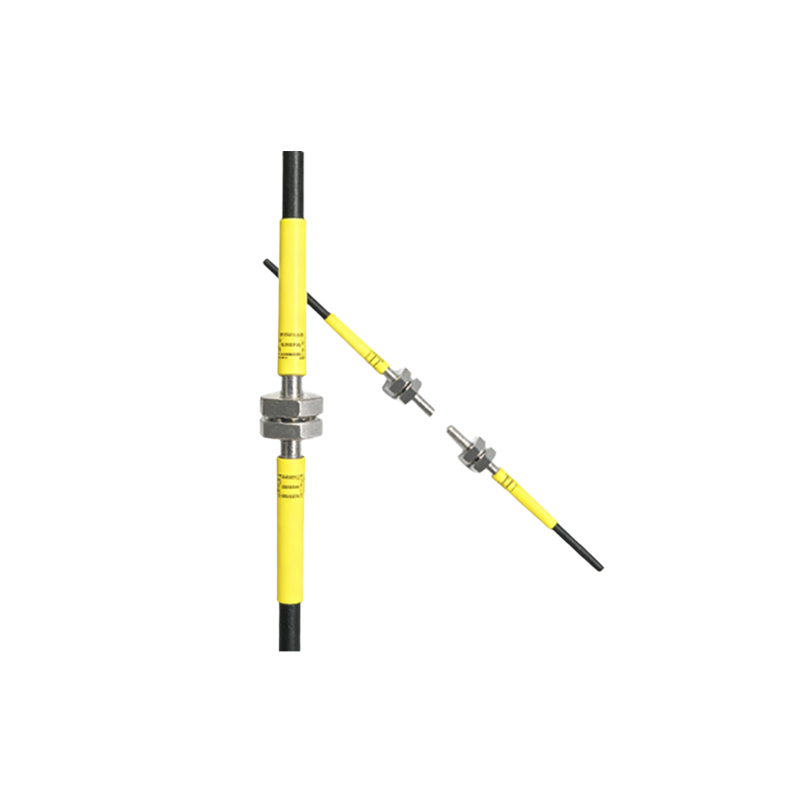
Two of the most common and robust operating modes are through-beam (also called opposed) and retroreflective. In a through-beam setup, the emitter and receiver are housed in separate units positioned opposite each other. The detection occurs when an object interrupts the direct light beam traveling from the emitter to the receiver. This mode offers the longest sensing distances, highest excess gain, and excellent reliability, as it is largely immune to the color, reflectivity, or surface finish of the target. It is the preferred choice for long-range detection or in environments with significant dirt, dust, or fog. The primary drawback is the need for precise alignment of two separate devices and increased installation complexity and cost.
Evaluating Diffuse (Proximity) Mode Sensors
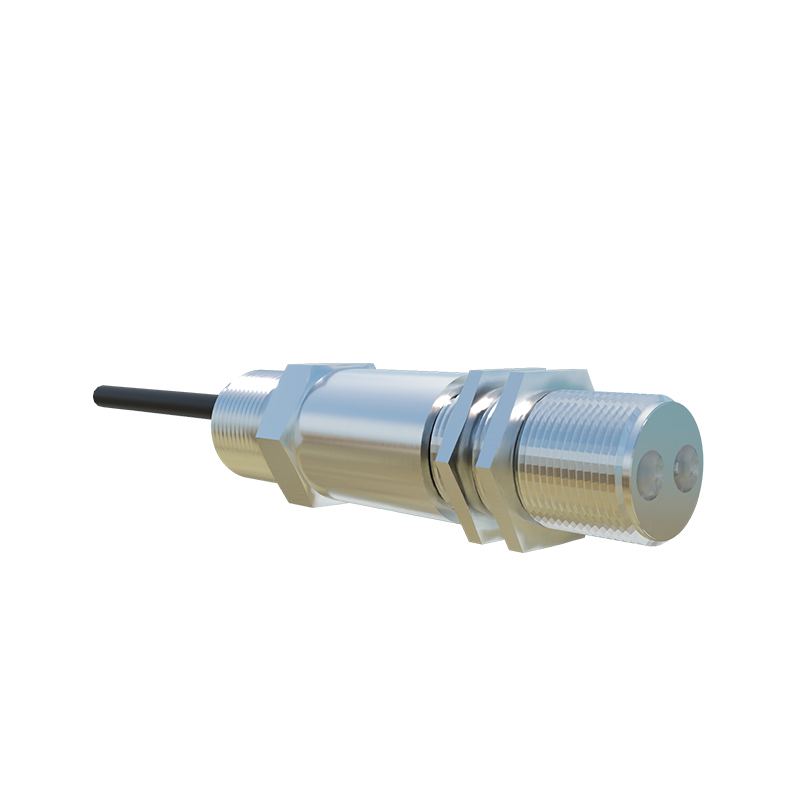
Diffuse mode, or proximity mode, sensors house both the emitter and receiver in a single unit. Detection relies on the reflection of the emitted light off the target object itself back to the receiver. This simplifies installation as only one device needs to be mounted and wired, reducing cost and setup time. However, sensing distance is shorter, and performance is highly dependent on the target's color, size, and surface texture. Light-colored, matte-finish objects reflect well, while dark, shiny, or absorbent surfaces can be challenging to detect consistently. Advanced versions, like background suppression or fixed-field sensors, use triangulation or other methods to define a precise sensing window, mitigating some of these limitations for more demanding applications.
Specialized Modes: Background Suppression and Convergent Beam
For applications requiring precise detection at a specific distance, specialized modes like background suppression (BGS) and convergent beam are essential. Background suppression sensors are a type of diffuse sensor that uses triangulation to detect objects only within a defined "window" while ignoring surfaces beyond that set distance. This is ideal for detecting objects on a conveyor belt while ignoring the belt itself or a more distant background. Convergent beam sensors, sometimes called fixed-focus, create a very precise, focused beam at a specific working distance. They excel in applications like detecting small parts, verifying fill levels in transparent containers, or edge detection, where standard diffuse sensors would be unreliable.
Key Application Factors for Mode Selection
Selecting the optimal mode is not a theoretical exercise; it is driven by concrete application parameters. The primary factors include required sensing distance, target characteristics (size, color, material, surface finish), environmental conditions (ambient light, contaminants, temperature), required response time, and installation constraints (available space, mounting options, wiring complexity). For instance, a dirty warehouse environment detecting large pallets would favor a through-beam sensor for its robustness. In contrast, a clean assembly line counting small, dark plastic components on a white conveyor might necessitate a background suppression diffuse sensor. A thorough analysis of these factors will point decisively toward the most suitable operating mode.
Conclusion: Aligning Technology with Practical Needs
There is no single "best" operating mode for all photoelectric sensors. The through-beam mode offers maximum range and reliability, the diffuse mode provides cost-effective simplicity, and specialized modes like background suppression deliver precision for challenging tasks. The correct choice is always the one that most effectively and reliably solves the specific detection problem at hand, considering all operational and economic factors. Consulting sensor datasheets, utilizing manufacturer selection tools, and, when in doubt, requesting sample units for testing in the actual application environment are best practices that lead to successful, long-term automation solutions. Investing time in proper mode selection ensures optimal performance, minimizes downtime, and maximizes return on investment in automation infrastructure.