Introduction to Proximity Sensor Interference
Proximity sensors are widely used in industrial automation for detecting the presence or absence of objects without physical contact. However, their performance can be significantly affected by various forms of interference, leading to false triggers, reduced accuracy, or complete failure. Understanding these interference sources is crucial for ensuring reliable operation in demanding environments. Interference typically arises from electromagnetic, environmental, or mechanical factors, each requiring specific mitigation strategies. This article explores the common types of interference affecting proximity sensors and provides practical solutions to address them.
Electromagnetic Interference (EMI)
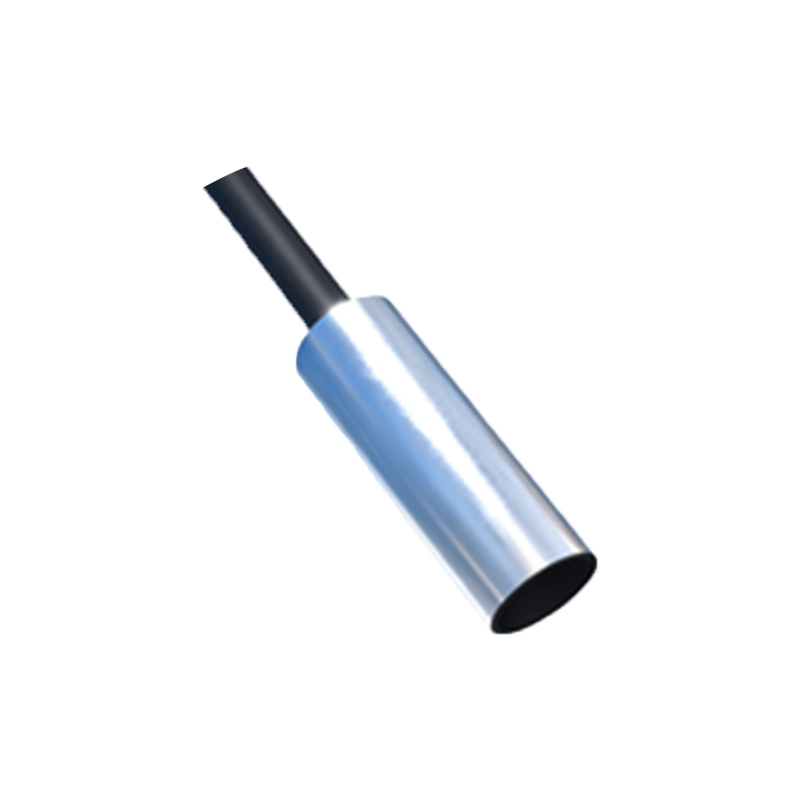
Electromagnetic interference is one of the most prevalent issues for proximity sensors, especially in facilities with heavy machinery or high-power equipment. EMI can originate from sources such as motors, transformers, welding equipment, or radio frequency devices. This interference may induce unwanted signals in the sensor's circuitry, causing erratic behavior. For instance, inductive proximity sensors, which rely on magnetic fields, are particularly susceptible to EMI from nearby alternating current sources. To combat this, shielding the sensor cables with metal conduits or using twisted-pair wiring can reduce noise pickup. Additionally, selecting sensors with built-in EMI filters or opting for models designed for high-noise environments can enhance stability.
Cross-Talk Between Sensors
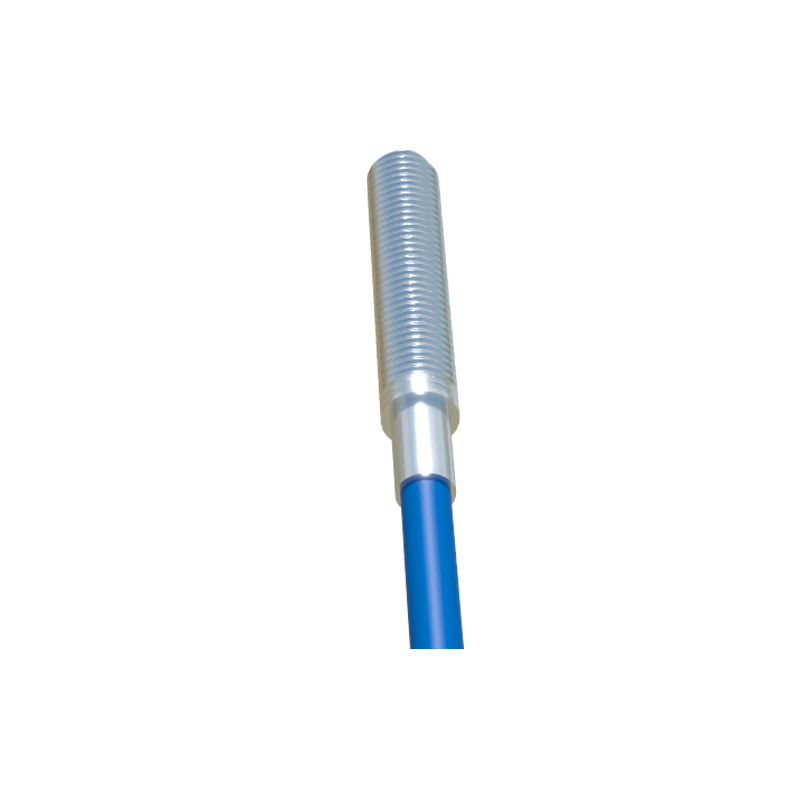
Cross-talk occurs when multiple proximity sensors are installed in close proximity, leading to mutual interference. This is common in automated assembly lines where sensors are densely packed. For example, the magnetic field of one inductive sensor might activate an adjacent sensor, resulting in false detections. To prevent cross-talk, maintain adequate spacing between sensors—typically 1.5 to 2 times the sensor's detection range. Alternatively, use sensors with different operating frequencies or those equipped with synchronization features that allow them to operate in sequence rather than simultaneously. Shielding materials or physical barriers can also be employed to isolate sensors from each other.
Environmental Factors: Temperature and Humidity
Extreme temperatures and humidity levels can interfere with proximity sensor performance. High temperatures may cause thermal drift, altering the sensor's sensitivity and detection range, while low temperatures can slow response times or cause condensation. Humidity, especially in corrosive environments, can lead to electrical leakage or short circuits. To mitigate these effects, choose sensors rated for the specific operating temperature and humidity ranges of your application. For instance, industrial-grade sensors often come with IP67 or higher ingress protection ratings to resist moisture and dust. Regular maintenance, such as cleaning sensor surfaces and ensuring proper ventilation, can further reduce environmental interference.
Material-Based Interference
The composition and properties of target objects can also cause interference. For capacitive proximity sensors, variations in material dielectric constants—such as between metals and non-metals—may lead to inconsistent detection. Similarly, inductive sensors might struggle with non-ferrous metals or alloys that have weak magnetic properties. In some cases, the color or surface finish of an object can affect reflective or ultrasonic sensors. To address this, calibrate sensors according to the specific materials they will detect. Using sensors with adjustable sensitivity settings allows fine-tuning for different targets. Testing sensors with actual samples during installation can help identify and correct material-related issues early.
Mechanical Vibration and Shock
In industrial settings, mechanical vibrations from machinery or impacts from moving parts can disrupt proximity sensor operation. Vibration may loosen sensor mounts, misalign detection areas, or generate false signals due to minute movements. Shock events, such as those in heavy-duty manufacturing, can damage internal components over time. To reduce mechanical interference, secure sensors with robust mounting brackets and anti-vibration hardware. Opt for sensors designed with ruggedized housings that absorb shocks. Regular inspections to check for loose connections or wear can prevent gradual degradation from vibration exposure.
Power Supply Fluctuations
Unstable power supplies are a common source of interference for electronic proximity sensors. Voltage spikes, drops, or electrical noise from the main power line can cause sensors to reset or output incorrect signals. This is especially problematic in facilities with shared power grids or during equipment startup surges. Implementing regulated power supplies or surge protectors can stabilize voltage inputs. Using dedicated power lines for sensitive sensors, rather than sharing with high-load devices, minimizes noise. Additionally, sensors with wide operating voltage ranges (e.g., 10-30V DC) are less susceptible to minor fluctuations.
Solutions and Best Practices
To effectively manage proximity sensor interference, adopt a proactive approach during system design and maintenance. Start by conducting a site survey to identify potential interference sources before installation. Choose sensors with appropriate specifications—such as EMI immunity, temperature tolerance, and IP ratings—for your environment. Implement proper wiring practices,