Understanding Proximity Sensors
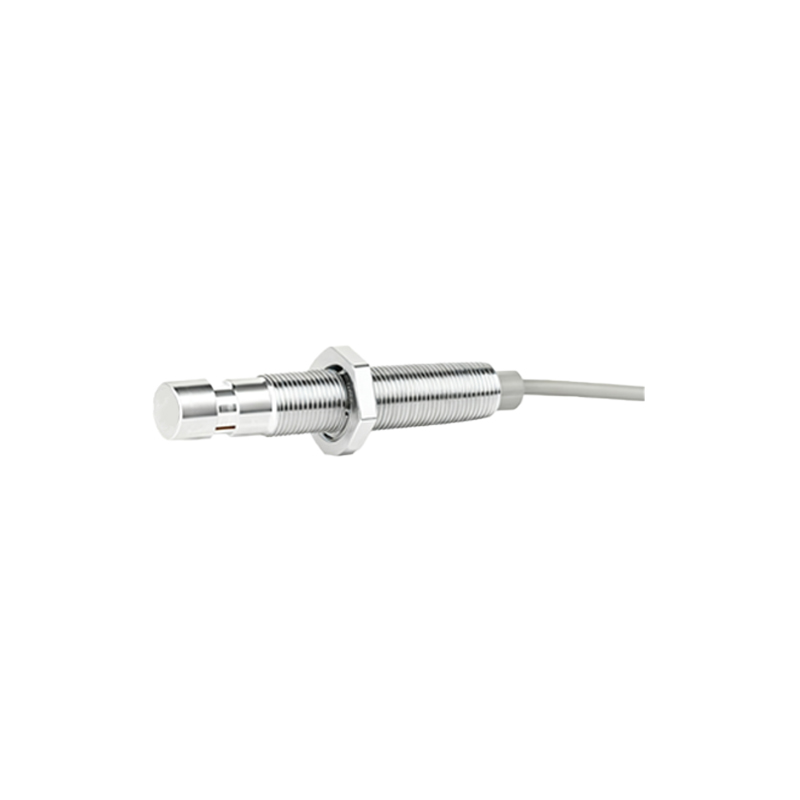
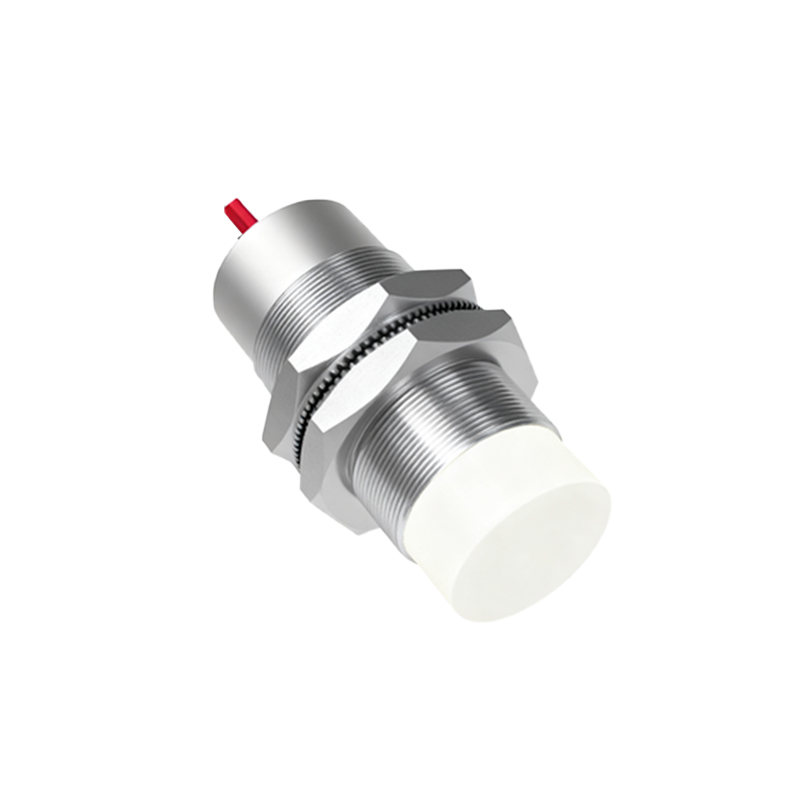
Proximity sensors are essential components in modern industrial automation, designed to detect the presence or absence of objects without physical contact. These devices operate based on various principles, including inductive, capacitive, ultrasonic, and magnetic technologies. Inductive sensors are ideal for detecting metallic objects, while capacitive sensors can identify both metallic and non-metallic materials. Ultrasonic sensors use sound waves for distance measurement, and magnetic sensors rely on magnetic fields for detection. Each type serves specific applications, from assembly lines and robotics to safety systems and consumer electronics. Understanding these fundamentals is crucial for selecting the right sensor for your needs, ensuring optimal performance and reliability in diverse operational environments.
Benefits of Sourcing from Original Manufacturers
Procuring proximity sensors directly from original manufacturers offers significant advantages in terms of quality, consistency, and technical support. Original manufacturers adhere to strict quality control standards, ensuring that each sensor meets industry certifications and performance specifications. By eliminating intermediaries, buyers gain access to the latest technological advancements and custom solutions tailored to specific requirements. Additionally, direct sourcing often results in cost savings due to reduced markup and streamlined supply chains. Manufacturers provide comprehensive documentation, including datasheets and application notes, along with expert assistance for integration and troubleshooting. This direct relationship fosters long-term partnerships, enhancing reliability and minimizing downtime in critical operations.
Key Considerations for Selection
When choosing proximity sensors from original suppliers, several factors must be evaluated to ensure compatibility and efficiency. First, consider the sensing range and environment—industrial settings may require sensors with high durability against dust, moisture, or extreme temperatures. The output type, such as NPN, PNP, or analog signals, should align with the control system in use. Response time and repeat accuracy are critical for high-speed applications, while housing materials like stainless steel or plastic impact longevity. It's also important to verify compliance with international standards, such as IEC or UL, for safety and interoperability. Consulting with manufacturer engineers can help address specific challenges, such as interference reduction or mounting constraints, leading to optimized system performance.
Applications in Industrial Automation
Proximity sensors play a pivotal role in enhancing productivity and safety across various industries. In manufacturing, they enable precise positioning of components on conveyor belts, detect jams in machinery, and count items for inventory management. Automotive assembly lines utilize these sensors for robotic welding and part verification, ensuring consistent quality. In the food and beverage sector, capacitive sensors monitor liquid levels in tanks, while inductive sensors detect metal contaminants for safety compliance. Beyond industry, proximity sensors are integral to smart devices, such as automatic faucets and elevator doors, showcasing their versatility. By sourcing from original manufacturers, companies can implement robust solutions that reduce maintenance costs and improve operational efficiency.
Ensuring Reliability and Longevity
To maximize the lifespan and reliability of proximity sensors, proper installation and maintenance are essential. Original manufacturers provide guidelines for correct mounting, including recommended distances from other electronic devices to prevent electromagnetic interference. Regular cleaning of sensor faces prevents false triggers caused by debris accumulation, especially in harsh environments. Monitoring operating conditions, such as voltage fluctuations or temperature extremes, helps prevent premature failure. Manufacturers often offer diagnostic tools and firmware updates to enhance functionality over time. By investing in genuine parts from trusted suppliers, businesses avoid counterfeit products that may compromise system integrity, ensuring sustained performance and reducing total cost of ownership through fewer replacements and repairs.
Future Trends and Innovations
The proximity sensor market is evolving with advancements in IoT and Industry 4.0, driving demand for smarter, more connected devices. Original manufacturers are developing sensors with embedded intelligence, such as self-diagnostic capabilities and wireless communication for real-time data analytics. Miniaturization allows for integration into compact spaces, while energy-efficient designs support sustainable operations. Emerging materials and technologies, like graphene-based sensors, promise higher sensitivity and faster response times. Collaborating with manufacturers early in the design process enables access to cutting-edge innovations, helping businesses stay competitive. As automation expands globally, sourcing directly from original suppliers ensures access to reliable, future-proof solutions that adapt to changing industrial landscapes.