Introduction to Color Photoelectric Sensors
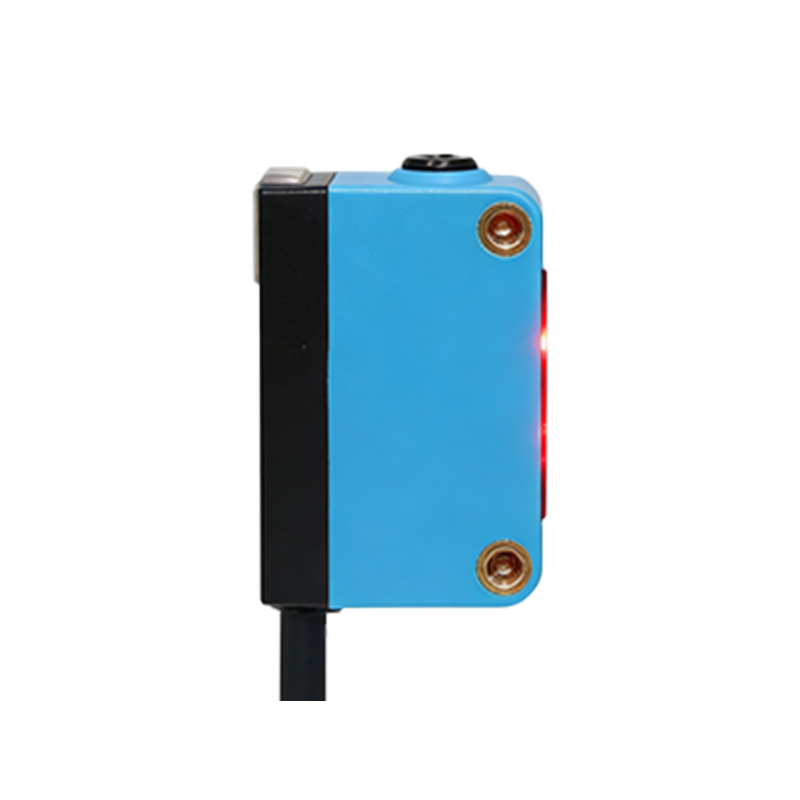
Color photoelectric sensors are advanced devices that detect and differentiate objects based on their color, rather than just their presence or absence. They operate by emitting light—often red, green, and blue (RGB) LEDs—onto a target and analyzing the reflected light's wavelength and intensity. This allows for precise color recognition, making them indispensable in industries where color sorting, quality control, and material identification are critical. Unlike standard photoelectric sensors that rely on contrast or luminescence, color sensors provide a higher level of discrimination, enabling automation systems to perform complex tasks with accuracy and efficiency. Their ability to adapt to varying environmental conditions, such as changes in ambient light, further enhances their reliability in demanding applications.
Working Principle and Technology
The core technology behind color photoelectric sensors involves trichromatic analysis. Typically, these sensors use RGB LEDs to illuminate an object. A photodetector then measures the reflected light, converting it into electrical signals. These signals are processed by an internal microcontroller that compares the reflected wavelengths to pre-programmed color values. Advanced models incorporate algorithms for color calibration and compensation, ensuring consistent performance even when object surfaces are glossy, textured, or positioned at angles. Some sensors also utilize spectral analysis or true-color sensing, which captures a broader range of hues for more nuanced detection. This technological sophistication allows for real-time data output, often communicated via interfaces like IO-Link, Ethernet/IP, or analog signals, integrating seamlessly with PLCs and other control systems.
Key Applications in Industrial Settings
In manufacturing and packaging, color photoelectric sensors play a pivotal role. For instance, in the food and beverage industry, they sort products by ripeness or quality based on color variations—such as distinguishing ripe from unripe fruits or checking label correctness on bottles. In automotive assembly, sensors verify the presence and color of components like wiring harnesses or painted parts, preventing assembly errors. The pharmaceutical sector relies on them for pill sorting and packaging verification, ensuring compliance with safety standards. Additionally, in recycling facilities, these sensors separate materials like plastics by color for efficient processing. Their versatility extends to textile manufacturing, where they monitor dye consistency, and printing, where they inspect color registration on materials.
Advantages Over Traditional Sensors
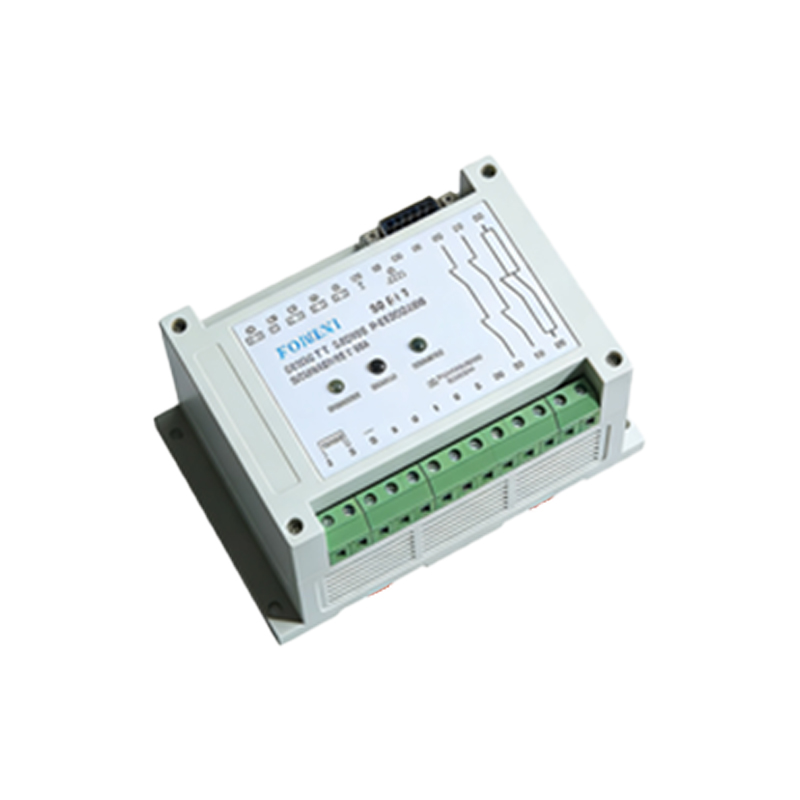
Compared to monochrome or contrast-based photoelectric sensors, color sensors offer significant benefits. They reduce false triggers caused by background interference or similar shades, enhancing system accuracy. By enabling non-contact detection, they minimize wear and tear on both the sensor and objects, leading to lower maintenance costs. Their programmability allows for quick reconfiguration when production lines switch tasks, supporting flexible manufacturing. Moreover, with features like teach-in modes, operators can easily set reference colors without extensive technical expertise. This adaptability makes them cost-effective in the long run, as they can handle diverse applications without requiring multiple sensor types.
Selection Criteria and Installation Tips
Choosing the right color photoelectric sensor depends on several factors. Key considerations include the sensing distance, which should match the application's range, and the resolution, which determines color discrimination precision. Environmental conditions like dust, moisture, or temperature extremes necessitate sensors with appropriate IP ratings or enclosures. It's also crucial to evaluate the light source: RGB LEDs are common, but some applications may benefit from specialized wavelengths. During installation, proper alignment is essential to avoid signal loss; mounting the sensor perpendicular to the target surface optimizes reflection. Regular calibration against standard color samples helps maintain accuracy, and integrating self-diagnostic features can preempt downtime by alerting to issues like lens contamination.
Future Trends and Innovations
The evolution of color photoelectric sensors is driven by Industry 4.0 and smart factory initiatives. Emerging trends include the integration of AI and machine learning, enabling sensors to learn color patterns dynamically and improve decision-making over time. Miniaturization is making sensors more compact for space-constrained applications, while enhanced connectivity via IoT platforms allows for remote monitoring and data analytics. Developments in multispectral sensing are expanding capabilities beyond visible light, incorporating infrared or ultraviolet ranges for specialized detection. As industries prioritize sustainability and efficiency, these innovations will further solidify the role of color sensors in automated quality assurance and process optimization.