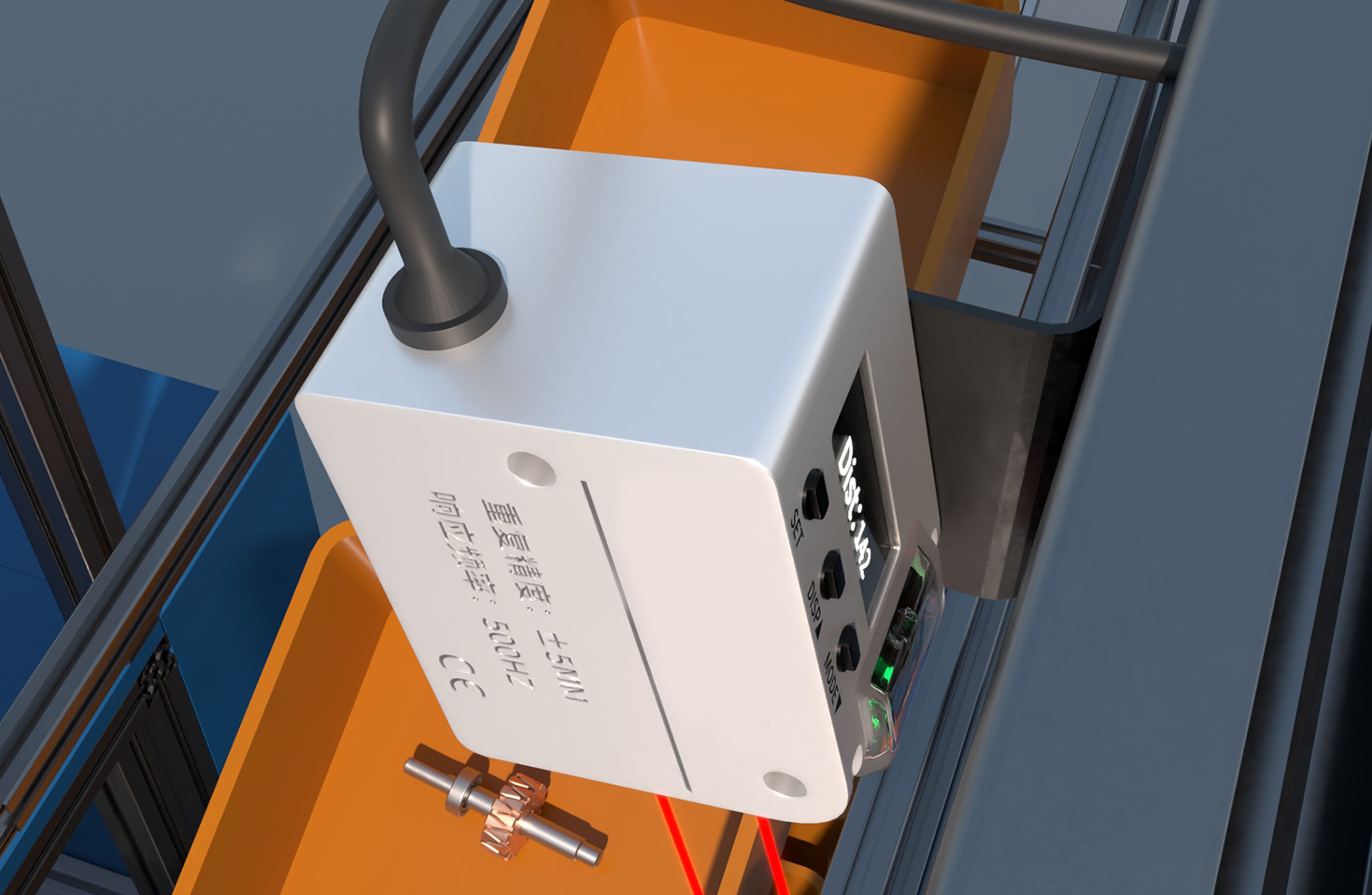
In the realm of gas sensing and environmental monitoring, laser oxygen sensors represent a significant technological leap forward. Unlike traditional electrochemical or zirconia-based sensors, these devices utilize the principles of laser absorption spectroscopy to deliver unparalleled accuracy and reliability. At the core of their operation is a fundamental physical phenomenon: oxygen molecules absorb light at specific, unique wavelengths. A laser oxygen sensor emits a precisely tuned laser beam through the gas sample. As the light traverses the sample, oxygen molecules absorb a portion of the light energy at their characteristic absorption line. By meticulously measuring the attenuation of the laser beam—how much light is lost—the sensor can calculate the concentration of oxygen present with extreme precision.
The most common technique employed is Tunable Diode Laser Absorption Spectroscopy (TDLAS). Here, the wavelength of the laser diode is finely tuned across a narrow range that includes the oxygen absorption feature. This method offers exceptional selectivity, as it is immune to interference from other gases that do not absorb light at that exact spectral fingerprint. This selectivity is a primary advantage, eliminating cross-sensitivity issues that plague other sensor types. Furthermore, the measurement is non-invasive and non-consumptive. The laser light does not chemically alter the oxygen molecules, meaning the sensor has no consumable parts and suffers no inherent degradation from the measurement process itself. This translates to remarkably long operational lifespans and minimal maintenance, a stark contrast to sensors that require frequent calibration or replacement of electrodes.

The applications for laser oxygen sensors are vast and critical across multiple industries. In industrial safety, they are deployed for continuous monitoring in confined spaces, such as tanks, tunnels, or silos, to prevent worker exposure to oxygen-deficient or enriched atmospheres. In combustion control and process optimization, precise oxygen measurement is vital for maximizing fuel efficiency and reducing emissions in boilers, furnaces, and incinerators. The medical field utilizes this technology in respiratory monitors and anesthetic gas analyzers, where patient safety depends on accurate, real-time oxygen readings. Additionally, they play a crucial role in modified atmosphere packaging (MAP) for food preservation, ensuring the correct gas mixture to extend shelf life, and in controlled environments for semiconductor manufacturing and aerospace.

The benefits of adopting laser oxygen sensor technology are compelling. Their high accuracy and stability over time reduce the need for frequent calibration, lowering the total cost of ownership. The fast response time allows for real-time process control and rapid detection of dangerous conditions. Their robustness and lack of consumables make them ideal for harsh or remote installations. As the technology continues to advance, with developments in laser diode efficiency and compact optical design, laser oxygen sensors are becoming more accessible and are set to become the gold standard for applications where performance, reliability, and long-term value are paramount. This shift underscores a broader trend towards optical sensing solutions that provide definitive data for safety, quality, and environmental stewardship.