In today's rapidly evolving technological landscape, off-the-shelf proximity sensors often fall short of meeting the unique and complex demands of specialized applications. From intricate industrial automation systems to cutting-edge consumer electronics and advanced medical devices, the need for precision, reliability, and seamless integration is paramount. This is where the power of custom proximity sensor solutions comes into play, offering a pathway to overcome the limitations of standard products and unlock new levels of performance and efficiency.
The journey towards a bespoke proximity sensor begins with a deep dive into the application's core requirements. Unlike selecting a standard sensor from a catalog, customization involves a collaborative partnership between the client and the sensor engineering team. The first critical phase is a comprehensive needs analysis. Engineers must understand the exact detection range needed—whether it's ultra-short-range for delicate assembly tasks or longer ranges for vehicle detection. The target material is another crucial variable; detecting a transparent glass bottle requires a different technological approach than sensing a metallic component. Environmental factors such as extreme temperatures, potential exposure to oils, coolants, or high-pressure washdowns, and the presence of electrical noise or ambient light interference all dictate the sensor's design, housing material, and internal circuitry. Furthermore, the physical constraints of the installation space—size, shape, and mounting options—must be meticulously considered to ensure a perfect fit.
With a clear set of parameters defined, the engineering team explores the most suitable sensing technology. The choice is vast and depends entirely on the application's specifics. Inductive sensors, ideal for detecting metallic objects, can be customized in terms of coil geometry and frequency to sense specific metals or shapes at precise distances. Capacitive sensors, capable of detecting both metallic and non-metallic materials, can be tailored in sensitivity to ignore certain materials (like a container) and sense only the contents within. Ultrasonic sensors offer solutions for challenging environments with dust or vapor, with customizable beam angles and response algorithms. Optical sensors, including infrared and laser-based types, allow for modifications in lens focus, light wavelength, and output signal processing to detect objects of specific colors or translucency. The selection process is a strategic decision, balancing performance, cost, and durability.
The true value of customization extends beyond the core sensing element. It encompasses the entire sensor package. This includes designing a housing from materials like stainless steel, specialized plastics, or composites that provide the necessary ingress protection (IP rating) for the operating environment. Connector types and cable lengths are specified to integrate directly into existing machinery harnesses, reducing installation time and potential failure points. Output signals can be tailored from standard PNP/NPN digital switches to analog outputs (0-10V, 4-20mA) or even direct serial communication protocols like IO-Link, providing not just a detection signal but valuable diagnostic data. The firmware embedded within the sensor can be programmed with custom logic—such as adjustable hysteresis, time delays, or multi-object counting—to perform preprocessing of data, simplifying the workload on the main control system.
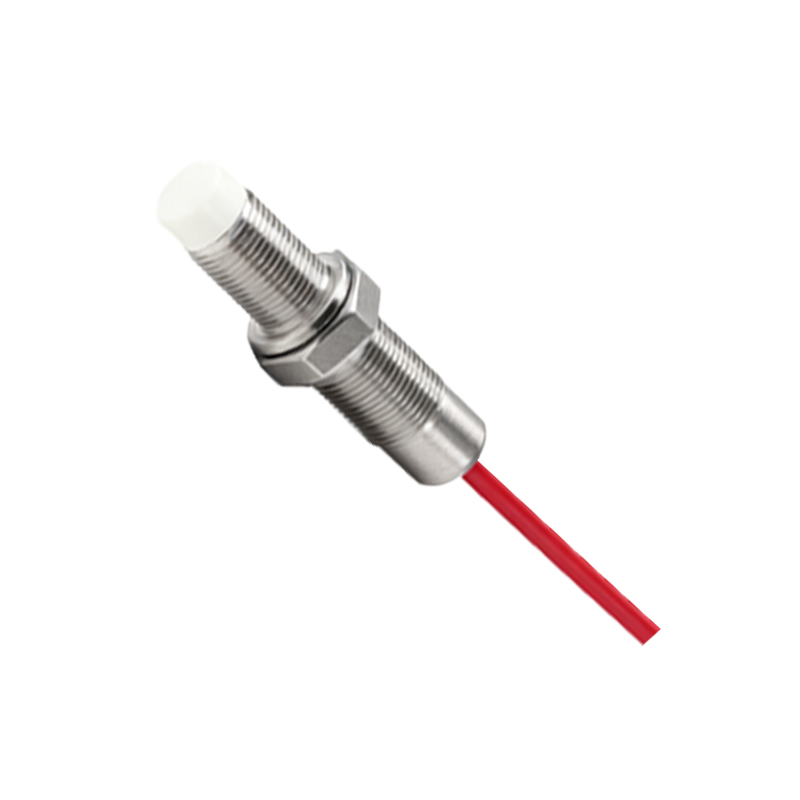
Developing a custom proximity sensor is an iterative process involving prototyping, rigorous testing, and validation. A prototype undergoes extensive testing in conditions that simulate the real-world application, often exceeding normal operating stresses to ensure a safety margin. This phase identifies and resolves any unforeseen issues related to interference, durability, or performance drift. The result is not merely a component but a validated solution guaranteed to perform its specific task reliably.
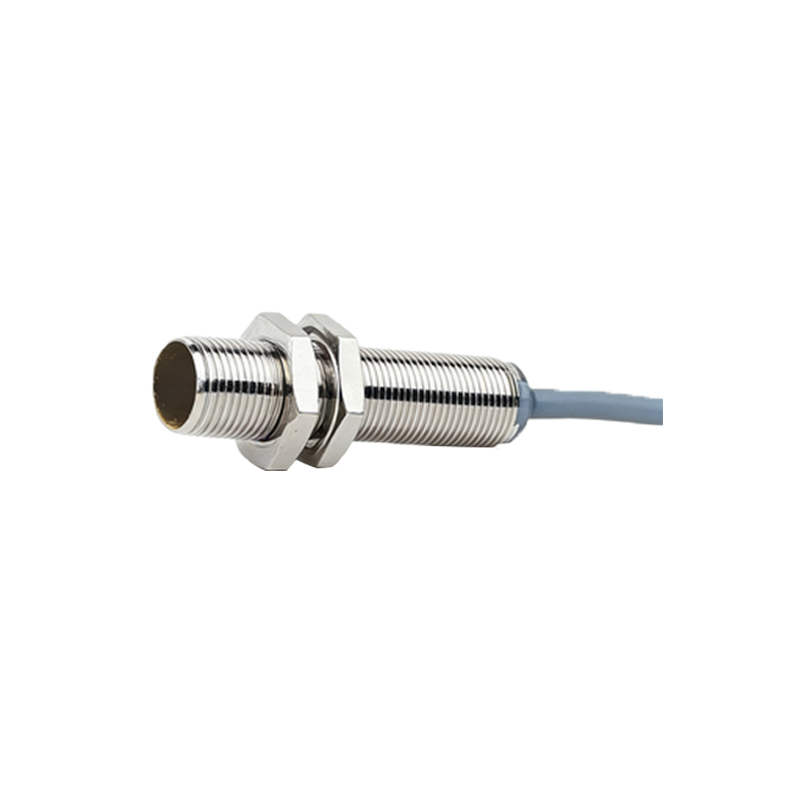
The benefits of investing in a custom sensor solution are substantial. It leads to enhanced system reliability by eliminating the compromises associated with adapting a standard sensor. It optimizes performance, providing exactly the detection characteristics needed for maximum process efficiency. In many cases, a well-designed custom sensor can reduce total cost by improving yield, minimizing false triggers, and lowering maintenance and replacement frequency. It also accelerates time-to-market for new products by solving unique sensing challenges that could otherwise be a development bottleneck.
Whether the challenge involves detecting a specific material in a high-speed packaging line, ensuring precise positioning in a cleanroom robotic arm, or creating a novel user interface for a smart appliance, custom proximity sensors provide the answer. By partnering with an experienced sensor manufacturer capable of full in-house design, engineering, and testing, companies can transform a critical operational requirement into a robust, optimized, and reliable technological advantage. The move from a standard to a custom solution represents a strategic step towards innovation, efficiency, and competitive edge in an increasingly demanding market.