Introduction to Photoelectric Sensor Technology
Photoelectric sensors are pivotal components in modern automation, robotics, and smart systems, converting light signals into electrical outputs. Their applications span industrial manufacturing, automotive safety, consumer electronics, and environmental monitoring. As the demand for precision and efficiency grows, academic institutions worldwide have intensified research and educational programs in this field. This article explores top universities excelling in photoelectric sensor technology, based on research output, innovation, industry collaboration, and educational excellence.
Criteria for Evaluating University Programs
Rankings consider multiple factors: peer-reviewed publications in journals like IEEE Sensors Journal, patent filings, industry partnerships, and curriculum depth. Programs integrating optics, electronics, and materials science tend to lead. Additionally, hands-on labs, funding from agencies like the National Science Foundation, and alumni success in tech sectors are key indicators. This holistic approach ensures a focus on both theoretical advancements and practical applications.
Top-Tier Universities in North America
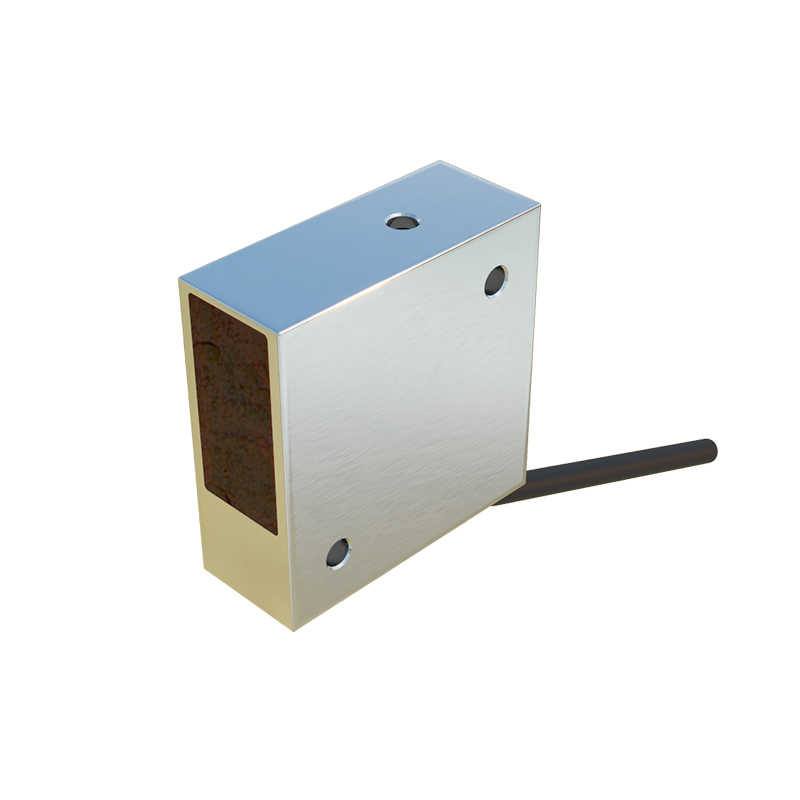
Massachusetts Institute of Technology (MIT) stands out for its Microsystems Technology Laboratories, where breakthroughs in miniaturized photoelectric sensors emerge. Stanford University follows closely, with interdisciplinary research in optoelectronics and strong ties to Silicon Valley. The University of California, Berkeley excels in sensor materials innovation, while the University of Michigan emphasizes automotive and aerospace applications. These institutions offer specialized courses and foster startups, driving industry trends.
Leading European Institutions
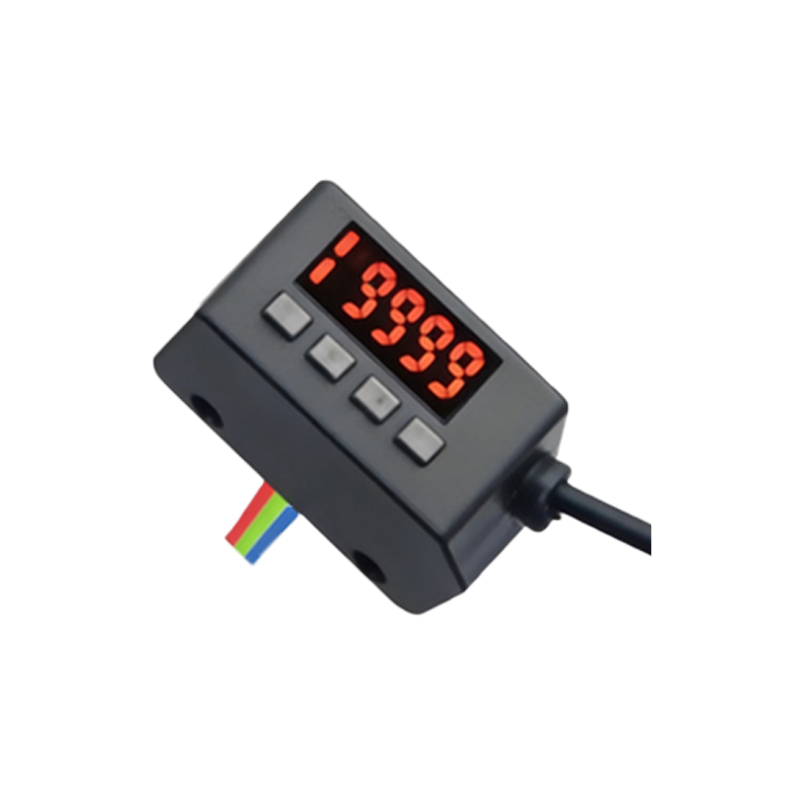
In Europe, ETH Zurich is renowned for precision sensor systems and sustainable energy projects. The University of Cambridge focuses on quantum photonics, pushing sensitivity limits in sensors. Technical University of Munich integrates photoelectric sensors into Industry 4.0 initiatives, and Delft University of Technology pioneers nano-sensor developments. European Union funding supports collaborative networks, enhancing research scalability across borders.
Asia-Pacific Academic Powerhouses
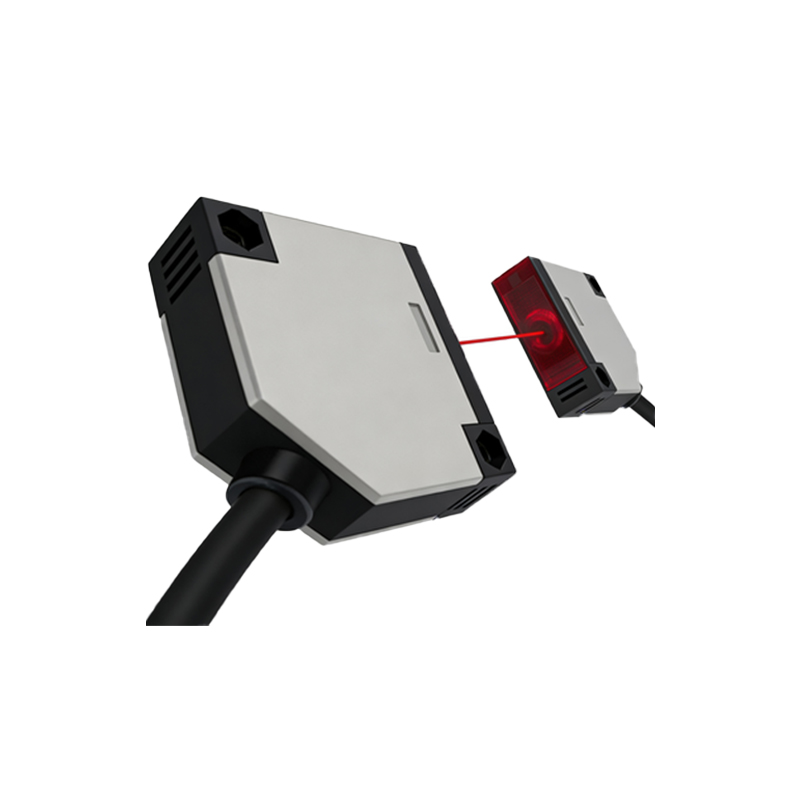
Asia-Pacific universities have risen rapidly, with the University of Tokyo leading in robotic vision sensors. Tsinghua University in China advances fiber-optic sensors for infrastructure monitoring, and the National University of Singapore merges photonics with AI for smart cities. KAIST in South Korea focuses on wearable sensor tech, and the University of Melbourne emphasizes environmental sensing solutions. Government investments in R&D fuel this growth.
Emerging Trends and Future Directions
Research is shifting toward IoT integration, biocompatible sensors, and energy-harvesting designs. Universities are adapting curricula to include machine learning for sensor data analysis and sustainable manufacturing practices. Cross-disciplinary teams are exploring hybrid systems, combining photoelectric sensors with wireless networks. These trends indicate a move toward smarter, more adaptive sensor technologies in global markets.
Career Pathways and Industry Impact
Graduates from top programs enter roles in R&D, automation engineering, and tech consulting. Companies like Siemens, Bosch, and Sony actively recruit from these universities, valuing hands-on experience. Alumni often contribute to open-source projects or launch ventures, expanding the sensor ecosystem. Continuous education through workshops and certifications helps professionals stay updated in this fast-evolving field.
Conclusion and Global Outlook
The landscape for photoelectric sensor education is dynamic, with universities worldwide competing through innovation. Collaboration between academia and industry accelerates practical solutions, from healthcare to smart agriculture. As sensor technology becomes more integral to digital transformation, these institutions will play a crucial role in shaping future advancements, ensuring a skilled workforce and cutting-edge discoveries.