Introduction to Hengtong's Sensor Division
Hengtong Optoelectronic, a prominent global player in the optical fiber and cable industry, has strategically expanded its portfolio to include a sophisticated range of optoelectronic sensors. This move is not merely an extension but a calculated integration into the core of its connectivity solutions. The company leverages its profound expertise in optical physics and material science to develop sensors that are integral to modern industrial automation, smart infrastructure, and the Internet of Things (IoT). The sensor division operates on the principle of converting physical parameters—such as temperature, strain, pressure, and vibration—into precise optical signals, offering inherent advantages like immunity to electromagnetic interference, long-distance signal transmission, and high reliability in harsh environments. This foundational technology positions Hengtong at the forefront of a critical market nexus.
Core Product Portfolio and Technological Edge
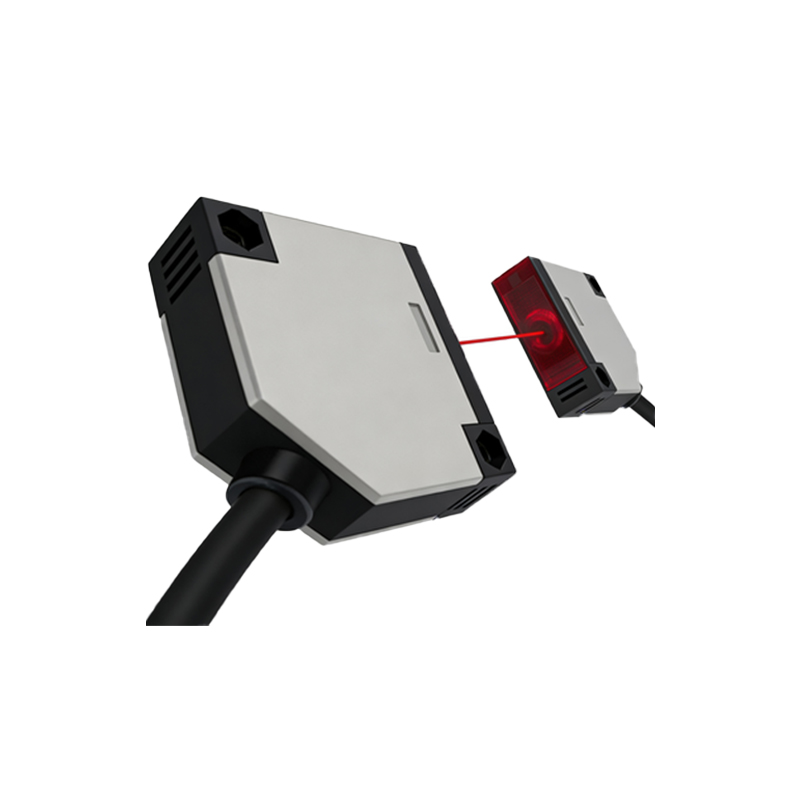
The cornerstone of Hengtong's sensor layout is its diverse and advanced product lineup. This includes Fiber Bragg Grating (FBG) sensors, distributed acoustic sensing (DAS) systems, and various point sensors for specific industrial applications. FBG sensors, for instance, are renowned for their multiplexing capability, allowing hundreds of sensing points along a single optical fiber. This is particularly transformative for structural health monitoring in large-scale projects like bridges, tunnels, and wind turbines. Hengtong's DAS technology turns standard communication fiber into a continuous acoustic sensor array, enabling real-time monitoring of pipelines, perimeter security, and seismic activity over distances exceeding 100 kilometers. The company's technological edge is sharpened by significant R&D investment in photonic integrated circuits and advanced signal processing algorithms, ensuring high sensitivity, accuracy, and data integrity that surpass conventional electronic sensors.
Strategic Market Applications and Industry Verticals
Hengtong's sensor strategy is meticulously aligned with high-growth industry verticals. In the energy sector, its sensors are deployed for downhole monitoring in oil and gas extraction, providing critical data on pressure and temperature to enhance recovery and ensure safety. For renewable energy, continuous monitoring of the structural integrity of wind turbine blades and geothermal wells is a key application. The transportation and civil infrastructure sector relies on Hengtong's systems for real-time health assessment of railways, highways, and smart city frameworks. Furthermore, the industrial IoT segment utilizes these sensors for predictive maintenance in manufacturing, minimizing downtime and operational costs. This targeted approach ensures that Hengtong's solutions are not just technologically superior but also commercially viable and deeply embedded in the operational fabric of these industries.
Global Manufacturing and Supply Chain Integration
A critical component of Hengtong's successful sensor layout is its robust global manufacturing footprint and integrated supply chain. The company operates state-of-the-art production facilities that are vertically integrated, controlling the process from specialized optical fiber drawing to final sensor assembly and calibration. This integration guarantees stringent quality control, reduces time-to-market, and provides scalability to meet large, international project demands. By situating manufacturing and R&D centers in key regions worldwide, Hengtong ensures proximity to major markets, facilitating faster response times and tailored customer support. This global network not only fortifies its supply chain against disruptions but also enables collaborative innovation with local partners and clients, adapting products to regional specifications and standards.
Competitive Landscape and Future Roadmap
The global optoelectronic sensor market is competitive, with established players and niche innovators. Hengtong competes by leveraging its brand reputation in telecommunications, its economies of scale in fiber production, and its ability to offer integrated "sensing and connectivity" packages. Its strategy involves forming strategic alliances with system integrators, engineering firms, and telecom operators to embed its sensors into larger solutions. Looking ahead, Hengtong's roadmap focuses on the convergence of 5G, AI, and sensing. The future development involves smarter sensors with edge-computing capabilities, AI-driven analytics platforms for the vast data streams generated, and the exploration of new materials for enhanced performance. The ultimate goal is to evolve from a component supplier to a pivotal provider of comprehensive, intelligent sensing ecosystems that drive digital transformation across industries.
Conclusion: A Vision for Connected Intelligence
Hengtong Optoelectronic's strategic layout in the sensor market exemplifies a forward-thinking vision where physical infrastructure gains a "nervous system." By seamlessly blending its optical communication heritage with cutting-edge sensing technology, the company is not just selling products but enabling a new paradigm of connected intelligence. Its sensors act as the critical sensory organs for the digital world, collecting vital data that informs decisions, enhances safety, and optimizes efficiency on a grand scale. As industries worldwide accelerate their digital and automated journeys, Hengtong's well-positioned sensor division is poised to be a fundamental enabler, turning inert structures and processes into interactive, intelligent, and responsive assets. This strategic move solidifies its role as a key architect of the future's smart, interconnected industrial landscape.