Introduction to Two-Wire Proximity Sensors
Two-wire proximity sensors are widely utilized in industrial automation for their simplicity and cost-effectiveness. Unlike three-wire or four-wire models, these sensors integrate power supply and signal output into a single pair of wires, reducing installation complexity and wiring costs. They are commonly employed in applications such as object detection, position sensing, and limit switching in machinery. The 8mm detection range represents a standard specification that balances sensitivity with practical usability in various environments. This range is particularly suitable for medium-distance sensing tasks where precision and reliability are paramount. Understanding the operational principles and limitations of these sensors is essential for optimal implementation in automated systems.
Working Principle of 8mm Detection
The detection mechanism in two-wire proximity sensors typically relies on electromagnetic or capacitive principles. For inductive sensors, an oscillating circuit generates a high-frequency magnetic field. When a metallic object enters the detection zone—set at 8mm in this case—it disturbs the field, causing a change in oscillation amplitude. This alteration is processed by internal circuitry to trigger a switching action. The 8mm range is calibrated to ensure consistent performance across different materials and environmental conditions. Factors such as target material composition, sensor size, and coil design directly influence the achievable distance. Manufacturers often specify this range based on standardized testing with mild steel targets to provide a reliable benchmark for users.
Key Advantages of 8mm Range Sensors
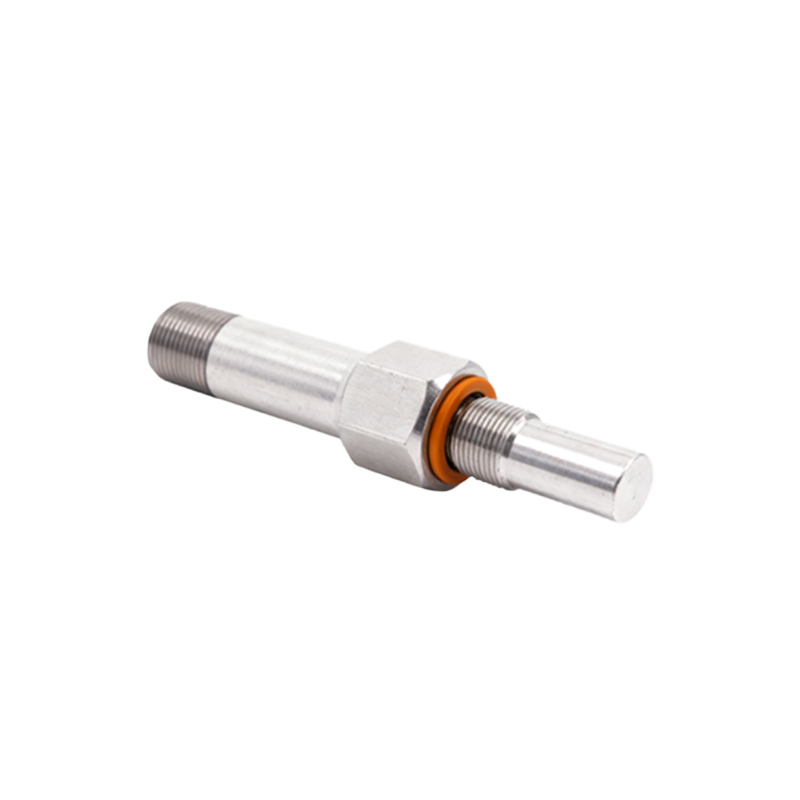
Sensors with an 8mm detection range offer several benefits in industrial settings. Their moderate sensing distance allows for flexible mounting while minimizing false triggers from distant objects. This range is ideal for applications like conveyor belt monitoring, robotic arm positioning, and assembly line part verification. Two-wire designs further enhance usability by simplifying integration with PLCs and control systems, as they do not require separate power and output connections. Additionally, these sensors often feature robust housings resistant to dust, moisture, and mechanical impacts, ensuring durability in harsh environments. The 8mm specification strikes a balance between sensitivity and practicality, making it a popular choice for many automation engineers.
Installation and Calibration Guidelines
Proper installation is critical to achieving reliable 8mm detection. Sensors should be mounted securely, with the sensing face parallel to the target surface to maximize accuracy. Environmental factors like temperature fluctuations, electromagnetic interference, and nearby metallic structures can affect performance, so adequate spacing and shielding are recommended. Calibration involves verifying the actual detection distance under operating conditions, as it may vary slightly from the nominal 8mm due to material differences or sensor tolerances. Users should refer to manufacturer datasheets for specific mounting distances and adjustment procedures. Regular maintenance, including cleaning the sensor face and checking wiring integrity, helps sustain optimal functionality over time.
Common Applications and Use Cases
Two-wire proximity sensors with an 8mm range are versatile tools in automation. In manufacturing, they detect the presence of components on production lines, trigger counting mechanisms, or ensure correct positioning in machining centers. Packaging industries use them to monitor material flow and control filling operations. Automotive assembly lines rely on these sensors for precise part alignment and safety interlocking. The 8mm distance is often chosen for tasks requiring close but non-contact sensing, such as monitoring valve positions or detecting tool wear. Their two-wire configuration makes them easy to retrofit into existing systems without extensive rewiring, enhancing adaptability across diverse sectors.
Technical Considerations and Limitations
While 8mm detection sensors are highly effective, certain limitations must be acknowledged. The sensing range can be reduced when detecting non-ferrous metals or non-metallic objects, depending on the sensor type. Load compatibility is another consideration, as two-wire sensors have inherent voltage drops that may affect performance with high-current devices. Users should ensure compatibility with their control system’s input requirements to avoid malfunctions. Additionally, response time and switching frequency may be slower compared to multi-wire sensors, which could impact high-speed applications. Consulting technical specifications and conducting on-site testing are advisable to confirm suitability for specific operational demands.
Future Trends and Innovations
Advancements in sensor technology continue to refine two-wire proximity sensors with 8mm detection capabilities. Innovations include enhanced immunity to environmental interference, miniaturization for space-constrained applications, and integration with IoT platforms for real-time monitoring. Smart sensors with diagnostic features, such as self-monitoring for contamination or wear, are becoming more prevalent. These developments aim to improve accuracy, reliability, and ease of use while maintaining the cost benefits of two-wire designs. As industries embrace Industry 4.0, such sensors are expected to play a crucial role in enabling smarter, more