Introduction to DRS Photoelectric Sensors
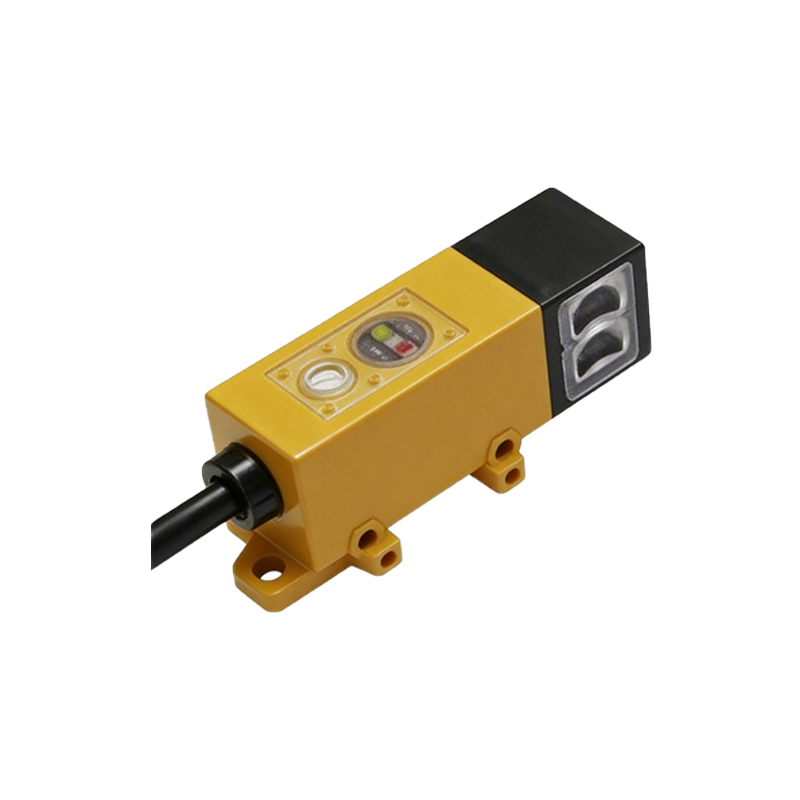
DRS photoelectric sensors are advanced devices designed to detect the presence, absence, or position of objects using light-based technology. These sensors operate by emitting a light beam—typically infrared, visible red, or laser—and measuring changes in the received light intensity caused by an object interrupting or reflecting the beam. In industrial automation, DRS sensors are renowned for their precision, reliability, and adaptability across diverse environments, from manufacturing lines to packaging systems. Their ability to perform non-contact detection makes them ideal for applications involving fragile, hot, or fast-moving items, reducing wear and maintenance compared to mechanical alternatives.
Core Operating Principles and Technologies
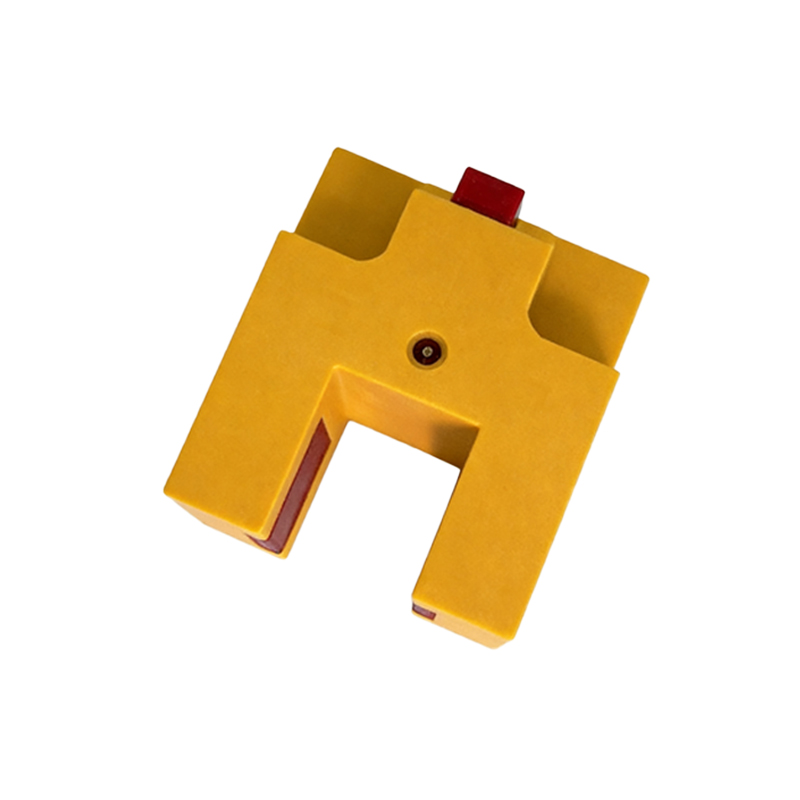
The functionality of DRS photoelectric sensors hinges on three primary modes: through-beam, retro-reflective, and diffuse reflective. Through-beam sensors consist of separate emitter and receiver units, where an object is detected when it breaks the light path, offering long-range and high-accuracy sensing. Retro-reflective models use a single housing with both emitter and receiver, relying on a reflector to bounce light back; detection occurs when an object obstructs this reflected beam. Diffuse reflective sensors detect objects by measuring light scattered directly off the target’s surface, suitable for shorter ranges. DRS sensors often incorporate modulated LED or laser diodes to minimize interference from ambient light, alongside advanced optics and signal processing for enhanced performance in challenging conditions like dust or vibration.
Key Features and Technical Specifications
DRS photoelectric sensors are engineered with robust features to meet industrial demands. Typical specifications include sensing ranges from a few centimeters to several meters, response times in microseconds for high-speed applications, and various output options such as NPN/PNP transistors or analog signals. Many models offer adjustable sensitivity, teach-in functionality for easy setup, and IP67 or higher ingress protection for durability in harsh environments. Advanced variants may include background suppression technology, which ignores objects beyond a set distance, or polarization filters to reduce false triggers from shiny surfaces. These technical attributes ensure consistent operation in sectors like automotive, food processing, and logistics.
Industrial Applications and Use Cases
In practice, DRS photoelectric sensors serve critical roles across industries. On assembly lines, they verify component placement or count products with high speed and accuracy. In packaging, sensors detect label positions or monitor fill levels in containers. Automotive manufacturers utilize them for robotic guidance and part inspection, while in material handling, they control conveyor systems by detecting package sizes or jams. Specialized applications include transparent object detection in bottling plants or safety curtains in machinery guarding. The versatility of DRS sensors allows customization through accessories like fiber-optic cables for confined spaces or rugged housings for extreme temperatures.
Installation and Maintenance Best Practices
Proper installation is vital for optimal sensor performance. Engineers should align emitter and receiver units precisely in through-beam setups, ensuring the light path is unobstructed. For retro-reflective sensors, reflectors must be clean and correctly angled, while diffuse types require consideration of target color and reflectivity. Environmental factors like ambient light, dust, or moisture should be mitigated through shielding or sensor selection. Regular maintenance involves cleaning lenses with soft cloths, checking wiring integrity, and verifying alignment periodically. Calibration via sensitivity adjustments can compensate for gradual changes, extending sensor lifespan and reducing downtime in automated systems.
Advantages Over Alternative Sensing Technologies
Compared to inductive or capacitive sensors, DRS photoelectric sensors excel in detecting non-metallic objects and offering longer ranges. Their non-contact nature eliminates mechanical stress, making them suitable for delicate materials. Unlike vision systems, they provide simpler, cost-effective solutions for basic detection tasks with faster response times. However, limitations include potential interference from environmental conditions like fog or heavy dirt, which may require protective measures. By integrating smart features like IO-Link connectivity, modern DRS sensors enable predictive maintenance and data logging, bridging the gap toward Industry 4.0 automation.
Future Trends and Innovations
The evolution of DRS photoelectric sensors is driven by trends toward miniaturization, enhanced connectivity, and intelligence. Emerging models incorporate IoT capabilities for real-time monitoring and diagnostics, while laser-based sensors achieve sub-millimeter precision for micro-part detection. Energy-efficient designs reduce power consumption, aligning with sustainable manufacturing goals. Additionally, hybrid sensors combining photoelectric with ultrasonic or RFID technologies are expanding application scopes. As industries adopt more flexible automation, DRS sensors will continue to evolve with adaptive algorithms and ruggedized designs, ensuring relevance in smart factories and beyond.