Understanding Proximity Sensor Types and Their Impact on Price
The cost of a proximity sensor is not a single figure but a spectrum heavily influenced by its underlying technology. The primary types include inductive, capacitive, ultrasonic, and photoelectric sensors. Inductive sensors, detecting metallic objects, are often the most cost-effective for industrial automation, with basic shielded barrel models starting at very accessible price points. Capacitive sensors, which can detect non-metallic materials like liquids or plastics, typically carry a slightly higher price tag due to their more complex circuitry. Ultrasonic and photoelectric sensors, offering longer sensing ranges and more versatility, occupy the higher end of the price range. Their sophisticated components, such as transducers or precise optical elements, contribute significantly to the unit cost. Therefore, the first step in estimating cost is precisely defining the application's required sensing technology.
Key Specifications That Drive the Final Price
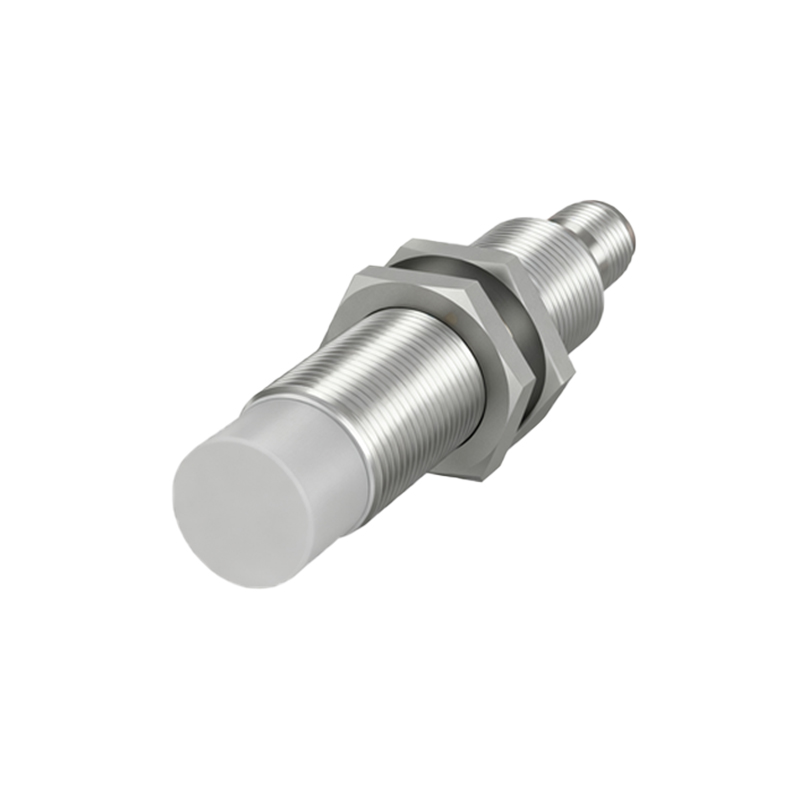
Beyond the core type, detailed specifications are the main drivers of sensor pricing. Sensing range is a critical factor; a standard 5mm inductive sensor is inexpensive, while one with a 40mm range may cost several times more. The housing material also plays a role: plastic housings are economical, whereas stainless-steel or nickel-plated brass housings for harsh environments (washdown, chemicals) increase cost. Output configuration (PNP vs. NPN, NO vs. NC) has a minor price impact, but analog outputs or IO-Link digital communication capabilities add a premium. Other cost-affecting specs include switching frequency, degree of protection (IP67, IP69K), and built-in diagnostics like LED indicators or short-circuit protection. Engineers must balance necessary performance with budget constraints.
Brand Reputation and Supply Chain Considerations
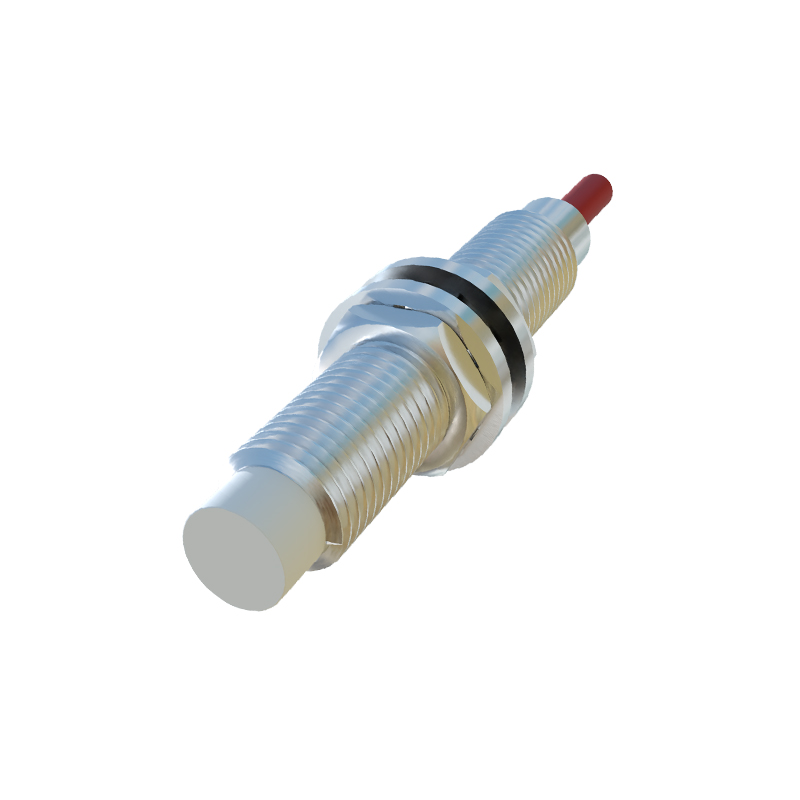
The manufacturer's brand is a substantial component of the price equation. Established global leaders in automation command higher prices, justified by their proven reliability, extensive R&D, global warranty, and comprehensive technical support. These sensors are investments in system uptime. Conversely, many reputable mid-tier or generic brands offer functionally equivalent sensors at lower prices, providing excellent value for less critical applications. Furthermore, supply chain dynamics directly affect cost and availability. Standard, off-the-shelf models from major distributors are priced competitively. However, specialized sensors, long lead-time items, or purchases made during component shortages can see prices inflated significantly above the standard catalog rate.
Quantity and Purchasing Channel: Volume Discounts and Sourcing
Purchase volume is perhaps the most straightforward lever on unit cost. Buying a single sensor for a prototype might be at full distributor list price. For production line quantities, OEMs can expect substantial volume discounts, often negotiated directly with the manufacturer or through specialized distributors. The purchasing channel itself matters. Buying from an authorized distributor ensures authenticity and support but at a standard markup. Sourcing from online marketplaces or third-party vendors may offer lower prices but carries risks regarding counterfeit products, lack of technical data, and invalid warranties. For critical installations, the security of the supply chain often outweighs marginal cost savings.
Analyzing Real-World Price Ranges and Total Cost of Ownership
Providing exact figures is challenging due to market flux, but general ranges offer guidance. A basic, standard-range inductive sensor from a generic brand can cost between $10 to $30. A comparable sensor from a top-tier brand might range from $25 to $60. Capacitive sensors often start around $30 and can exceed $100 for specialized versions. Ultrasonic and advanced photoelectric sensors commonly range from $50 to $200 or more, depending on features like background suppression or precise analog measurement. Crucially, engineers must evaluate the Total Cost of Ownership (TCO). A cheaper sensor that fails prematurely, causing production downtime, is far more expensive than a higher-priced, reliable unit. Factors like mean time between failures (MTBF), ease of installation, and compatibility with existing systems are integral to the true cost calculation.
Conclusion: Strategic Selection Over Sticker Price
Ultimately, asking "how much does a proximity sensor cost?" requires a deeper inquiry into the application's technical demands and operational context. The strategic approach involves first specifying the necessary technology and performance parameters, then comparing options from different brand tiers, and finally leveraging volume purchasing where possible. The goal is not to find the absolute cheapest sensor but to optimize the balance between upfront cost, long-term reliability, and system performance. Investing time in precise specification and supplier evaluation is the most effective way to control costs and ensure a successful automation solution.