Introduction to High-Speed Sensing
In the demanding landscape of modern industrial automation, the ability to detect objects with precision at exceptionally high speeds is a critical requirement. This capability directly impacts production throughput, quality control, and overall system efficiency. The 672 series photoelectric sensor has been engineered specifically to meet these rigorous demands. Its design philosophy centers on delivering reliable, millisecond-fast responses in diverse and challenging environments, from packaging lines to material handling systems. By leveraging advanced optical and electronic technologies, this sensor provides a robust solution for applications where speed and accuracy are non-negotiable.
Core Technology and Response Time
The exceptional high-speed performance of the 672 photoelectric sensor is rooted in its sophisticated internal architecture. It utilizes a high-intensity modulated LED light source and a highly sensitive receiver circuit. The key metric here is the response time, which is remarkably fast, typically in the range of microseconds. This ultrafast response is achieved through optimized signal processing algorithms that minimize internal delay. Whether configured in through-beam, retro-reflective, or diffuse reflective modes, the sensor can consistently detect the presence or absence of an object passing through its beam at velocities that would challenge conventional sensors. This makes it ideal for counting small, rapidly moving items on a conveyor or detecting precise positions on a rotating shaft.
Application in High-Speed Counting and Sorting
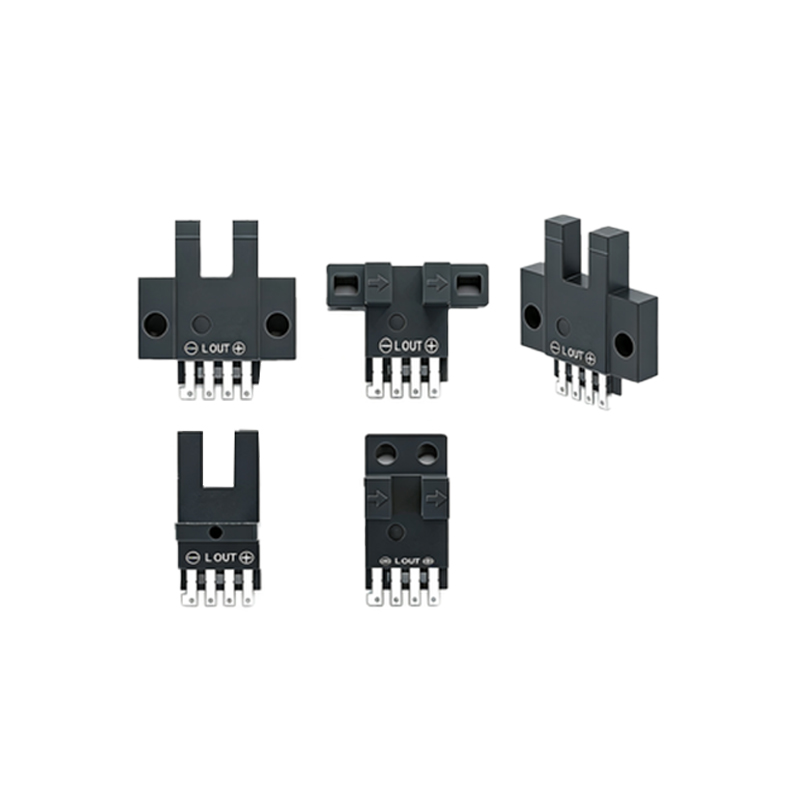
One of the most prominent applications for the 672 series is in high-speed counting and sorting operations. In pharmaceutical packaging, for instance, tablets or capsules move along production lines at tremendous speeds. The sensor's fast response and high switching frequency ensure that every single item is counted without error, preventing costly production discrepancies. Similarly, in bottling plants or canning lines, the sensor can reliably detect containers spaced very closely together, triggering downstream actuators for sorting or rejection. Its ability to maintain stable operation despite rapid sequential triggers is a testament to its robust design and immunity to signal bounce.
Performance in Challenging Environments
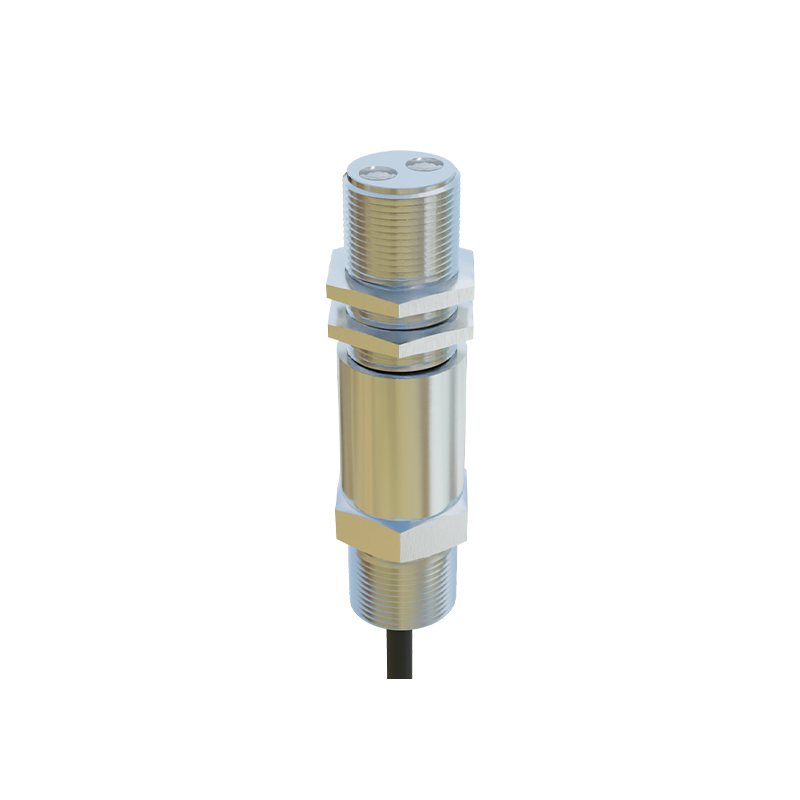
High-speed often coincides with harsh operating conditions, including vibration, ambient light interference, and dust. The 672 photoelectric sensor is built to withstand these challenges. It often features a robust housing with high ingress protection ratings, safeguarding its internal components. Advanced features like background suppression technology in diffuse models allow it to ignore distant objects or reflective backgrounds, focusing only on the target. This ensures stable detection even when the target object's surface, color, or material varies, which is common in high-speed mixed-material handling systems. Consistent performance under such conditions prevents false triggers and maintains line efficiency.
Integration and Ease of Use
Despite its advanced capabilities, the 672 sensor is designed for straightforward integration into existing control systems. It typically offers multiple output options, including NPN, PNP, and relay contacts, compatible with standard PLCs (Programmable Logic Controllers). Many models feature intuitive setup aids like visible red or green beam indicators and precise sensitivity adjustment potentiometers. This allows engineers to quickly align the sensor and fine-tune its sensing window for the specific high-speed task, minimizing commissioning time. The compact form factor also facilitates installation in space-constrained locations near fast-moving machinery.
Conclusion and Industry Impact
The 672 photoelectric sensor represents a significant tool for engineers designing and maintaining high-speed automation systems. By providing a combination of microsecond-level response times, environmental robustness, and reliable operation, it addresses the core need for speed without compromising on detection integrity. Its deployment across industries—from automotive manufacturing to food processing—enables higher production rates, improved product quality, and reduced waste. As production speeds continue to increase, the role of such high-performance sensors will only become more vital in sustaining and advancing industrial productivity and innovation.