Introduction to Photoelectric Sensor Nomenclature
Understanding the naming conventions for photoelectric sensors is crucial for engineers and procurement specialists in the automation and industrial control sectors. These alphanumeric codes are not arbitrary; they are structured languages that convey vital information about a sensor's type, function, physical characteristics, and electrical properties. A standardized naming system allows for precise identification, simplifies component selection, and ensures compatibility within complex systems. This guide decodes the common elements found in part numbers from leading manufacturers, providing a framework to interpret these critical identifiers accurately. Mastery of this nomenclature streamlines design, specification, and troubleshooting processes, enhancing efficiency and reducing errors in system integration.
Core Technology and Sensing Mode Indicators
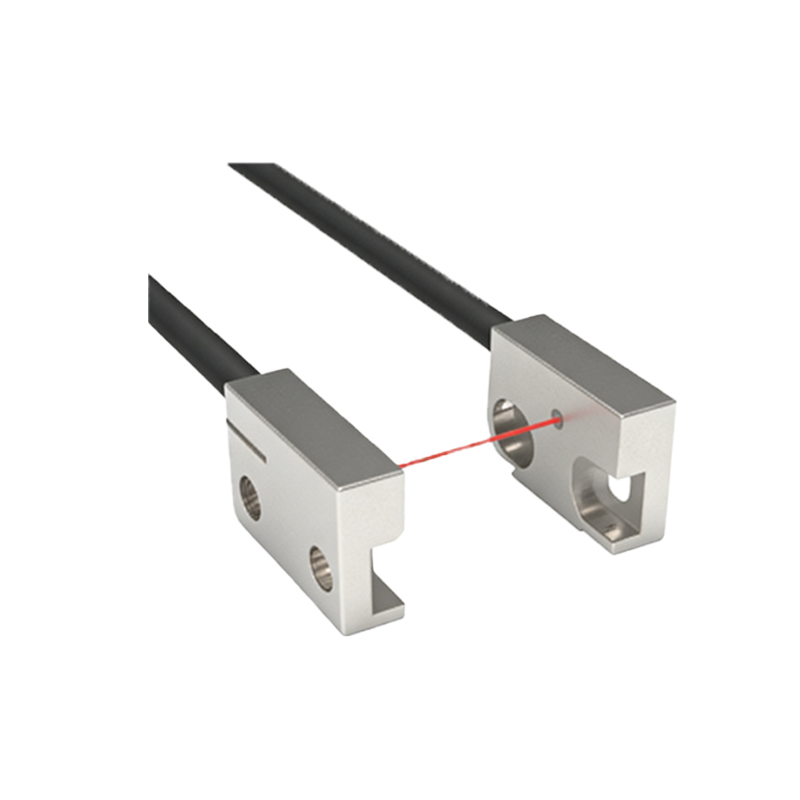
The initial segment of a sensor's part number typically denotes its fundamental operating principle and sensing mode. This is the most critical differentiator. Common prefixes or codes include 'E3Z' or 'B5W' for through-beam types, where the emitter and receiver are separate units. Diffuse reflective sensors, which use a single housing to both emit and receive light reflected from the target, might be indicated by codes like 'E3S' or 'OMRON E3JK'. Retro-reflective sensors, which bounce light off a reflector, often incorporate an 'R' in their designation, such as in 'E3F-R'. Furthermore, specialized modes like background suppression (BGS) or foreground suppression (FGS) are explicitly called out, for example, 'E3Z-B' or 'E3T-S'. Understanding this code immediately informs the engineer about the required installation geometry and suitable application scenarios.
Light Source and Beam Type Specifications
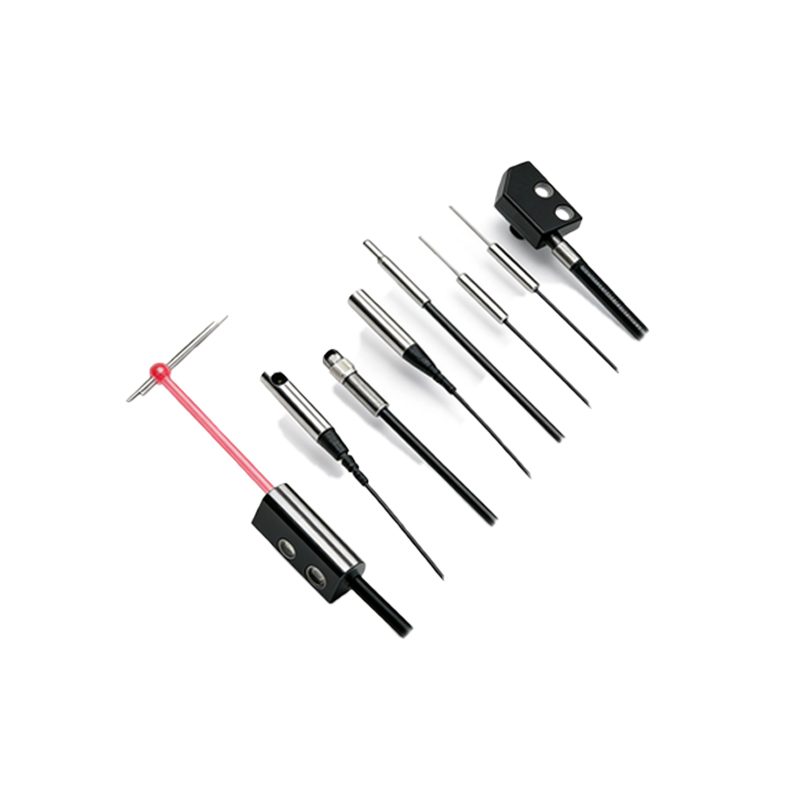
Following the sensing mode, the naming convention usually specifies the light source. This is a key performance parameter. The most common indicators are 'L' for visible red light, often from an LED, and 'D' for infrared or laser light sources. For instance, a part number might contain 'E3Z-L' for a red LED through-beam sensor. Some manufacturers use 'LR' for long-range red light or 'LS' for laser. The beam type may also be implied or specified; a focused, pinpoint beam for small object detection or a polarized light source for retro-reflective models to ignore shiny objects. This element of the name directly relates to sensing distance, spot size, and environmental robustness against ambient light interference.
Housing Style, Size, and Connection Method
The physical form factor and how the sensor integrates into a system are detailed in the next part of the code. This section describes the housing. Cylindrical sensors are frequently denoted by their diameter in millimeters, such as M8, M12, M18, or M30. Rectangular or block-style housings might use codes like 'C' or 'F'. The material, such as metal or plastic, can also be indicated. The connection method is equally important: 'C' might stand for a cable outlet, while 'P' indicates a pre-wired connector, often specifying the pin count and style (e.g., M12 4-pin). A suffix like '-1' or '-2' could differentiate between straight or right-angle cable exits. This information is essential for mechanical design, panel cutouts, and wiring harness planning.
Output Configuration and Electrical Ratings
The output type and electrical characteristics form a mandatory part of the sensor's identity. This is typically represented by a one or two-letter code. Standard designations include 'N' for NPN (sinking) output, 'P' for PNP (sourcing) output, and 'A' for analog output (e.g., 4-20mA or 0-10V). For digital outputs, 'D' might indicate a dual output or a specific logic. The voltage rating is often implied by the output type but can be explicitly stated, such as '10-30V DC'. Some part numbers incorporate the output function directly, like 'NO' for normally open or 'NC' for normally closed contacts. Correct interpretation here is vital for ensuring proper interface with PLCs, relays, and other control system components without risking electrical damage.
Special Features and Environmental Ratings
Finally, suffixes and additional letters denote special features and environmental protection levels. These modifiers highlight capabilities that suit challenging applications. Common suffixes include 'T' for enhanced temperature tolerance, 'F' for oil-resistant construction, or 'IP67' and 'IP69K' indicating specific Ingress Protection ratings against dust and water. Codes for synchronization capability (to prevent crosstalk in dense installations), teach-in functionality for adjustable sensing ranges, or built-in timers are also appended. For example, a full part number like 'E3Z-T81A-M5J 2M' reveals it is a through-beam sensor with an M5 threaded barrel, a 2-meter cable, and specific electrical outputs. Recognizing these suffixes ensures the selected sensor will survive and perform reliably in its intended operational environment.