Introduction to Capacitive Sensing Technology
Capacitive proximity sensors operate on a fundamental principle: they generate an electrostatic field and detect changes in capacitance caused by the presence of any object, regardless of material composition. Unlike inductive sensors that only detect metals, capacitive sensors can sense a vast range of materials including liquids, powders, plastics, and wood. This versatility makes them indispensable in modern automation, packaging, food and beverage, and pharmaceutical industries. Their ability to function through non-metallic barriers, such as glass or plastic walls, further expands their application scope for level detection and process control.
Criteria for Evaluation and Ranking
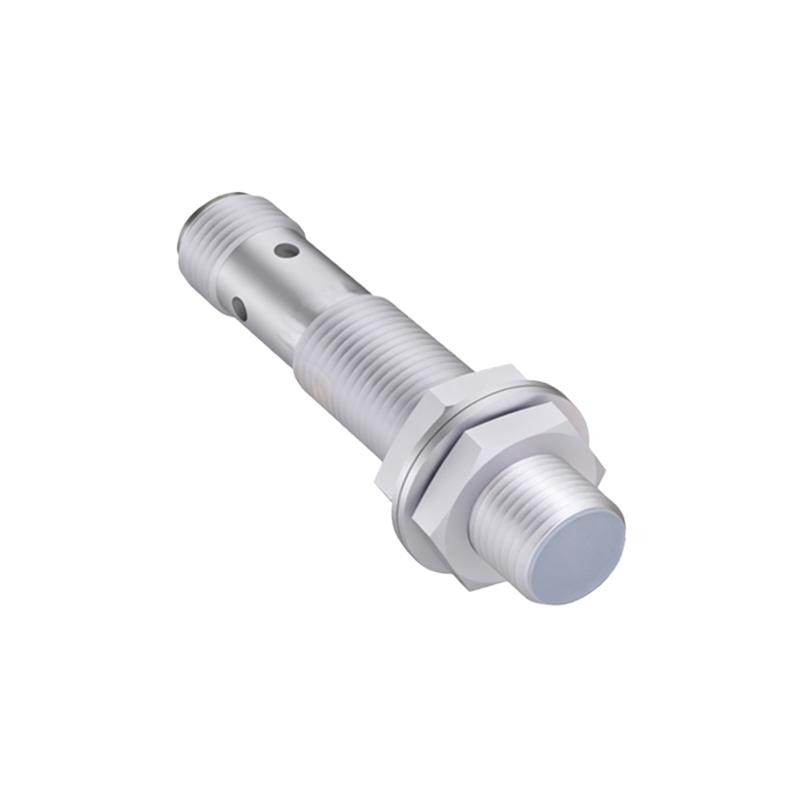
This ranking is not based on sales volume alone. As industry professionals, we evaluate sensors based on a composite score of critical performance metrics. These include sensing range accuracy and stability, environmental resilience (IP ratings, temperature tolerance), response speed and frequency, output configuration flexibility (PNP/NPN, analog, IO-Link), housing design and form factor for easy integration, and overall long-term reliability in harsh conditions. The ability to handle challenging applications like detecting low-density materials or operating in high-humidity environments is a key differentiator.
#1: Pepperl+Fuchs BC Series
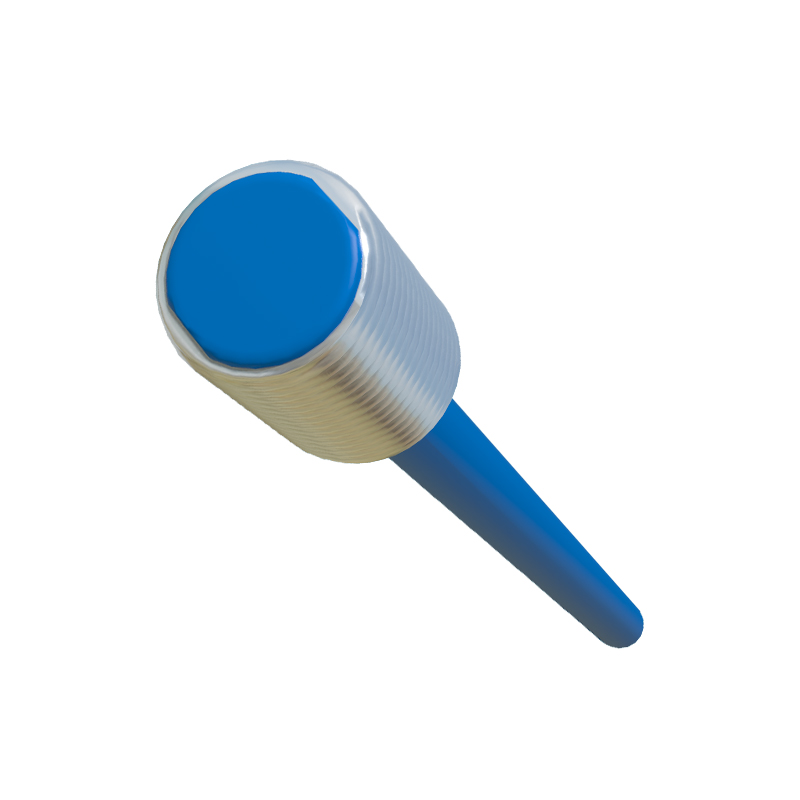
Topping our list is the Pepperl+Fuchs BC series. These sensors set the industry benchmark for robustness and precision. They feature exceptional temperature and chemical resistance, with many models boasting an IP69K rating for high-pressure washdown environments common in food processing. Their patented "Chip-on-Board" technology ensures minimal drift and high switching frequency. The series offers a wide variety of housing styles, including cylindrical and rectangular designs, with sophisticated functions like teach-in capability for precise threshold setting and analog output options for continuous measurement tasks.
#2: Siemens SIMATIC CAP
The Siemens SIMATIC CAP sensors earn the second spot due to their seamless integration into Totally Integrated Automation (TIA) environments. Their standout feature is the advanced diagnostics and parameterization capability via PROFINET or IO-Link. This allows for remote monitoring, predictive maintenance, and easy adjustment of sensing parameters from the control room. They offer excellent noise immunity and stable performance even in electrically noisy industrial settings. The robust metal or PBT housings and consistent sensing performance make them a top choice for complex automated systems.
#3: Balluff BCS Series
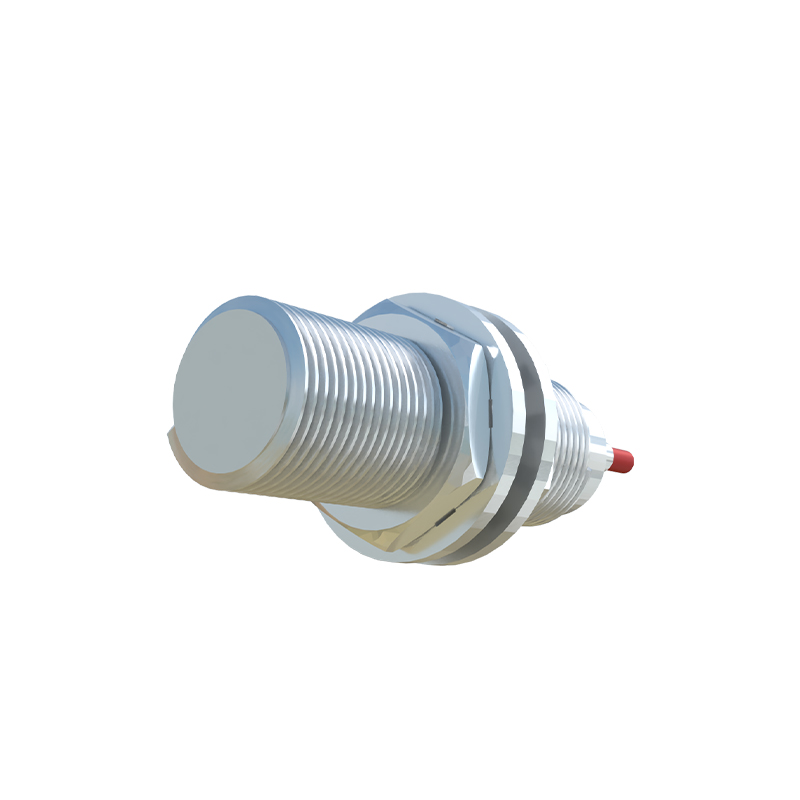
Balluff's BCS series secures third place with its outstanding innovation in form factor and functionality. Known for their ultra-compact designs, these sensors fit into extremely tight spaces without sacrificing performance. Many models in this series incorporate multi-voltage capability (10-30V DC) and short-circuit protection. A significant advantage is their high-resolution analog versions and models with patented "Sense-All" technology, which can reliably detect challenging materials like fine powders or foils. Their reliability in packaging and material handling applications is well-documented.
#4: ifm electronic CR Series
The ifm electronic CR series is ranked fourth, celebrated for its user-friendliness and diagnostic intelligence. These sensors often feature a clear LED display that indicates not just status but also signal strength, greatly simplifying installation and troubleshooting. They are built for durability with stainless steel or robust plastic housings. ifm emphasizes ease of use with innovative features like a simple push-button teach function. Their excellent performance in level detection applications for liquids and bulk solids, coupled with strong EMC protection, makes them a reliable workhorse.
#5: Omron E2K-C Series
Rounding out the top five is the Omron E2K-C series, renowned for its exceptional cost-performance ratio and reliability. This series offers a very broad product lineup, catering to nearly every standard application need. They provide stable detection of materials like glass and water, with models featuring built-in surge and noise protection. While perhaps lacking some of the advanced networking features of higher-ranked models, their consistent performance, long operational life, and global availability make them a trusted and economical choice for a multitude of standard automation tasks.
Selection Guide and Final Recommendations
Choosing the right sensor depends entirely on the specific application. For harsh, washdown environments, Pepperl+Fuchs is unparalleled. For integrated smart factory networks, Siemens is ideal. For space-constrained installations, consider Balluff. For applications requiring simple setup and clear diagnostics, ifm is excellent. For reliable, cost-effective solutions for standard tasks, Omron is a strong contender. Always verify the required sensing distance, material characteristics, environmental conditions, and output needs before specifying a sensor. Consulting directly with application engineers from these manufacturers can provide the final, critical insight for optimal selection.