Introduction to Elevator Photoelectric Sensors
Elevator photoelectric sensors are critical components in modern elevator systems, primarily used for door control, position detection, and safety monitoring. These sensors operate by emitting an infrared or visible light beam to a receiver; when the beam is interrupted by an object, such as a passenger or obstacle, the sensor triggers a signal to control elevator doors or halt operation. Their non-contact nature makes them reliable for repetitive use, but they are susceptible to various environmental and operational issues that can compromise elevator safety and efficiency. Understanding these common problems is essential for maintenance personnel to ensure smooth elevator functionality.
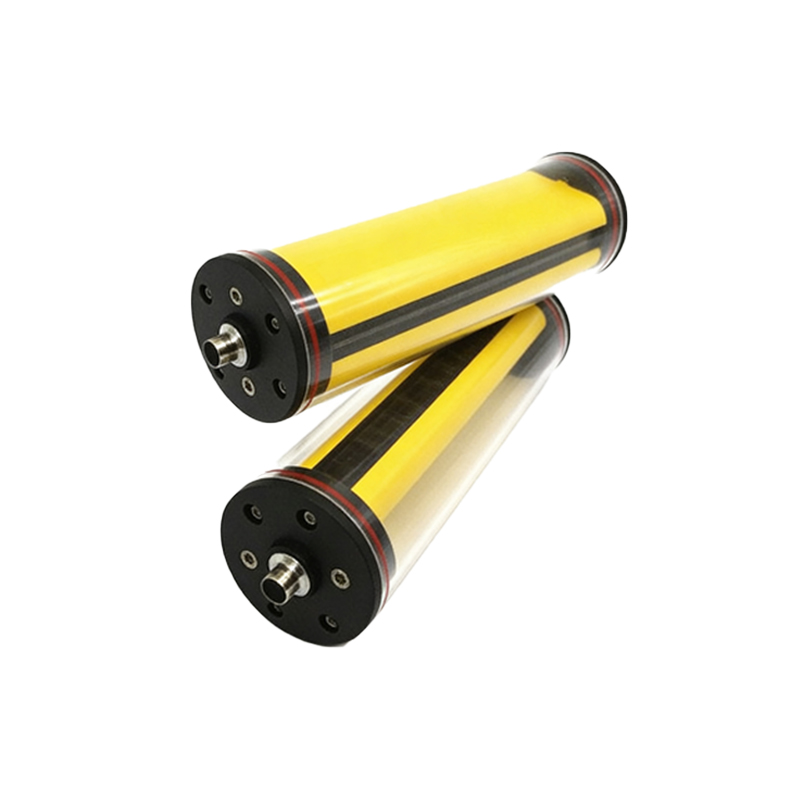
Misalignment of Optical Components
One of the most frequent issues with elevator photoelectric sensors is misalignment between the emitter and receiver. Over time, vibrations from elevator movement, mechanical stress, or improper installation can cause the components to shift slightly, leading to a weak or broken beam connection. This misalignment often results in false triggers, such as doors closing unexpectedly or failing to open, which can cause passenger inconvenience or safety hazards. Regular inspection and realignment using calibration tools are necessary to maintain optimal performance. Technicians should check alignment during routine maintenance to prevent operational disruptions.
Contamination and Dust Accumulation
Dust, dirt, and grime can accumulate on the sensor lenses, obstructing the light beam and reducing sensitivity. In elevator shafts, which are often dusty environments, this contamination is a common culprit for sensor malfunctions. When lenses are dirty, the sensor may fail to detect obstacles, leading to doors closing on objects or people, or it might trigger false alarms that halt elevator operation unnecessarily. Cleaning the lenses with a soft, lint-free cloth and non-abrasive cleaner during scheduled maintenance can mitigate this issue. Implementing protective covers or seals can also help reduce contamination in high-dust areas.
Electrical Interference and Signal Noise
Elevator systems contain various electrical components, such as motors and control panels, that can generate electromagnetic interference (EMI). This interference can disrupt the weak signals from photoelectric sensors, causing erratic behavior like intermittent door operations or sensor failure. To address this, sensors should be shielded properly, and wiring must be routed away from high-power sources. Using twisted-pair cables or filters can minimize signal noise. Additionally, ensuring proper grounding and compliance with electromagnetic compatibility (EMC) standards during installation is crucial for reliable sensor performance in electrically noisy environments.
Aging and Wear of Components
Photoelectric sensors have a finite lifespan, typically ranging from several years to a decade, depending on usage and environmental conditions. Over time, components like LEDs or phototransistors can degrade, leading to reduced light output or sensitivity. This aging process may cause sensors to become less responsive, resulting in delayed door closures or missed detections. Regular testing with light meters or diagnostic tools can help identify worn-out sensors before they fail completely. Replacing sensors proactively based on manufacturer recommendations or observed performance decline is key to avoiding unexpected elevator downtime.
Environmental Factors: Temperature and Humidity
Extreme temperatures and high humidity levels can adversely affect elevator photoelectric sensors. In cold environments, condensation may form on lenses, blocking the light beam, while heat can cause electronic components to overheat and malfunction. Humidity can lead to corrosion or short circuits in sensor circuitry. To combat these issues, sensors should be rated for the specific environmental conditions of the installation site, such as using IP-rated enclosures for moisture protection. Installing sensors in controlled areas or adding ventilation can also help maintain stable operating conditions and extend sensor life.
Software and Configuration Errors
Modern elevator systems often integrate photoelectric sensors with programmable logic controllers (PLCs) or software-based control systems. Incorrect configuration, such as setting inappropriate sensitivity thresholds or timing parameters, can lead to sensor issues like false positives or negatives. For example, if the sensor is configured too sensitively, it might detect minor debris as an obstacle, causing frequent door reversals. Regular software updates and recalibration by trained technicians are essential to ensure sensors operate according to design specifications. Documentation of configuration settings can aid in troubleshooting and prevent errors during maintenance.
Conclusion and Best Practices
To minimize problems with elevator photoelectric sensors, a proactive maintenance approach is vital. This includes scheduled inspections for alignment and cleanliness, testing for electrical integrity, and monitoring environmental conditions. Training maintenance staff on proper installation and troubleshooting techniques can reduce downtime and enhance safety. By addressing these common issues—misalignment, contamination, interference, aging, environmental factors, and configuration errors—elevator operators can ensure reliable sensor performance, contributing to overall system efficiency and passenger satisfaction. Investing in quality sensors and adhering to manufacturer guidelines further supports long-term operational success.