Factors Influencing Metal Proximity Sensor Prices
The cost of a metal proximity sensor varies significantly based on several technical and commercial factors. Key determinants include sensing range, output type, housing material, and brand reputation. Inductive proximity sensors, commonly used for metal detection, range from $20 for basic models to over $200 for specialized industrial versions. Sensing distance plays a critical role; standard sensors with a 5mm range may cost $25-$50, while long-range models (e.g., 30mm) can exceed $100. Output configurations (PNP/NPN, analog, or IO-Link) also impact pricing, with analog and smart sensors commanding premiums of 30-50% over standard digital outputs. Environmental ratings like IP67 or IP69K for harsh conditions add 20-40% to the base price.
Industry Applications and Budget Considerations
In automation and manufacturing, proximity sensor selection aligns with operational requirements. For high-speed assembly lines, manufacturers often invest in premium sensors ($80-$150) with enhanced switching frequencies (up to 5kHz) to ensure precision. Conversely, light industrial applications may utilize economical variants ($20-$40) with moderate performance. Bulk procurement (50+ units) typically reduces unit costs by 15-30%. Industries like automotive or aerospace prioritize sensors with certifications (e.g., ATEX for explosive atmospheres), which can double the price due to rigorous testing and materials.
Price Comparison by Sensor Technology
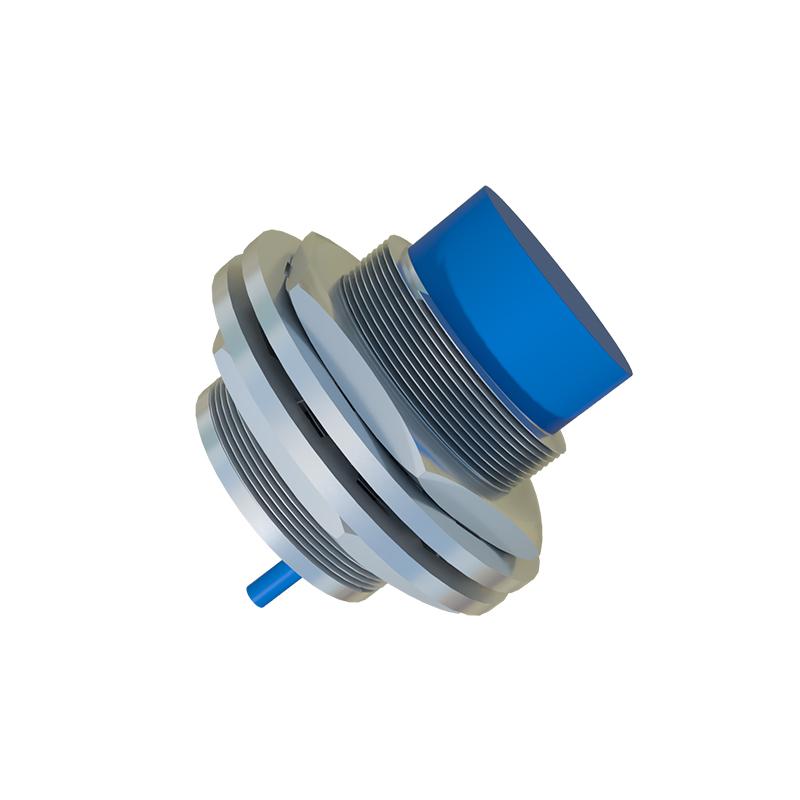
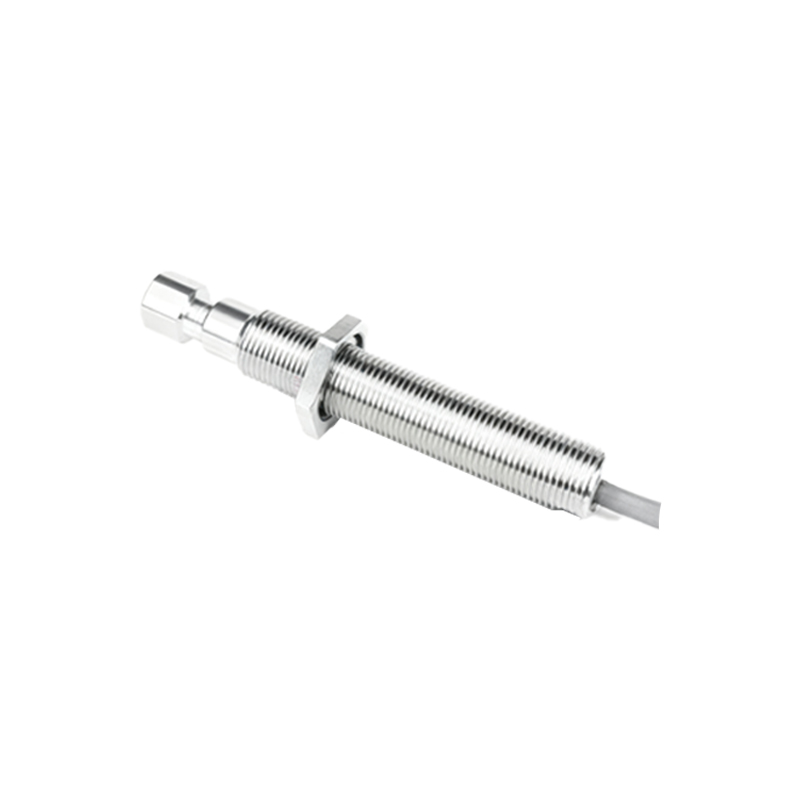
Inductive sensors dominate metal detection markets, but subcategories affect pricing. Standard barrel-style sensors (M12/M18 threading) range from $25-$80. Miniature sensors (M5/M8) cost $30-$100 due to compact engineering. Cylindrical stainless steel housings increase durability and price by 25% compared to plastic variants. For high-temperature environments (up to 150°C), specialized sensors start at $120. Additionally, hybrid sensors combining proximity and pressure sensing exceed $200, catering to niche automation needs.
Cost-Benefit Analysis of Smart Sensors
Smart proximity sensors with IO-Link or Ethernet connectivity represent a growing trend, priced between $100-$300. These devices offer diagnostics, parameter adjustment, and data integration, reducing downtime in Industry 4.0 setups. While initial costs are higher, long-term savings from predictive maintenance and interoperability justify investments. For example, a $250 IO-Link sensor can cut maintenance costs by 40% in automated warehouses, with ROI achieved within 12-18 months.
Global Market Trends and Purchasing Tips
Geographic factors influence pricing; European brands (e.g., Siemens, Sick) often charge 20-30% more than Asian counterparts (e.g., Omron, Panasonic) for comparable specs. Online marketplaces like Amazon or specialized distributors (e.g., Digi-Key) offer discounts for bulk orders. When budgeting, consider total cost of ownership: cheaper sensors may lack durability, increasing replacement frequency. For critical applications, investing in mid-range sensors ($60-$120) with 2-3 year warranties ensures reliability. Always verify datasheets for operating voltage (10-30V DC typical) and temperature tolerances to avoid mismatches.
Future Outlook and Economic Implications
Advancements in material science and IoT integration are gradually lowering costs for advanced sensors. By 2025, prices for basic smart sensors may drop by 15%, while AI-enhanced models will emerge at premium rates. For SMEs, leasing options through automation suppliers provide flexible access to high-end sensors. Ultimately, selecting a metal proximity sensor balances immediate budgets with operational demands—where a $50 sensor might suffice for general use, specialized tasks warrant higher expenditures to ensure system integrity and efficiency.