Introduction to Photoelectric Sensing Technology
Photoelectric sensors are fundamental components in modern industrial automation and control systems. They operate on the principle of converting light signals into electrical signals to detect the presence, absence, or specific characteristics of an object. The core components typically include an emitter (light source), a receiver (photodetector), and associated signal processing circuitry. The emitter projects a beam of light, which is then received, reflected, or interrupted by the target object. Changes in the received light are converted by the photodetector into proportional electrical current changes, which are then amplified and processed to provide a usable output signal. This technology offers non-contact measurement, high speed, and reliability, making it indispensable for precise physical quantity measurement in diverse and often harsh industrial environments.
Core Measurement Principles and Modes
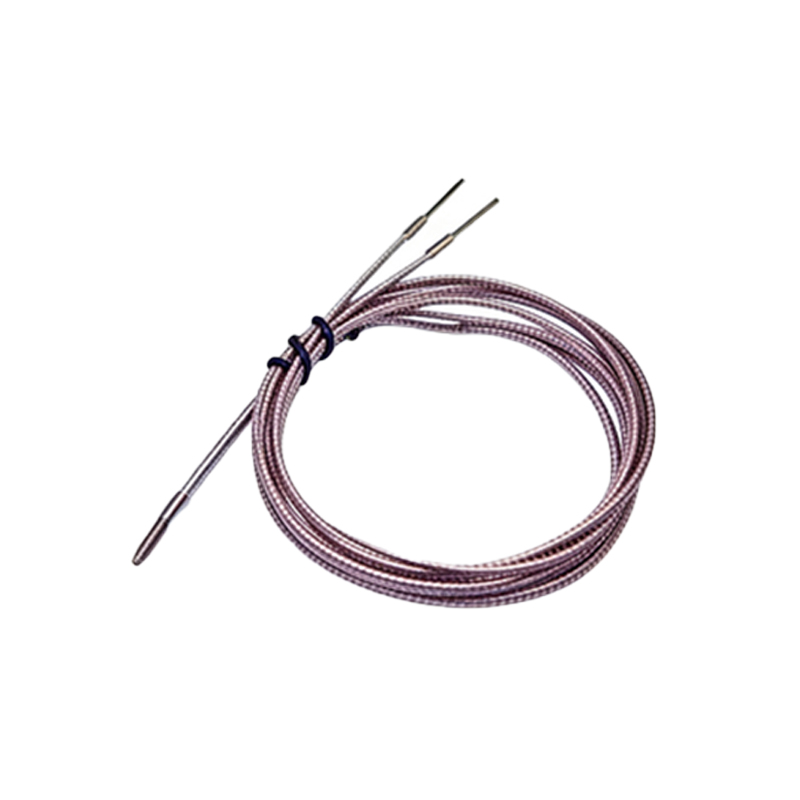
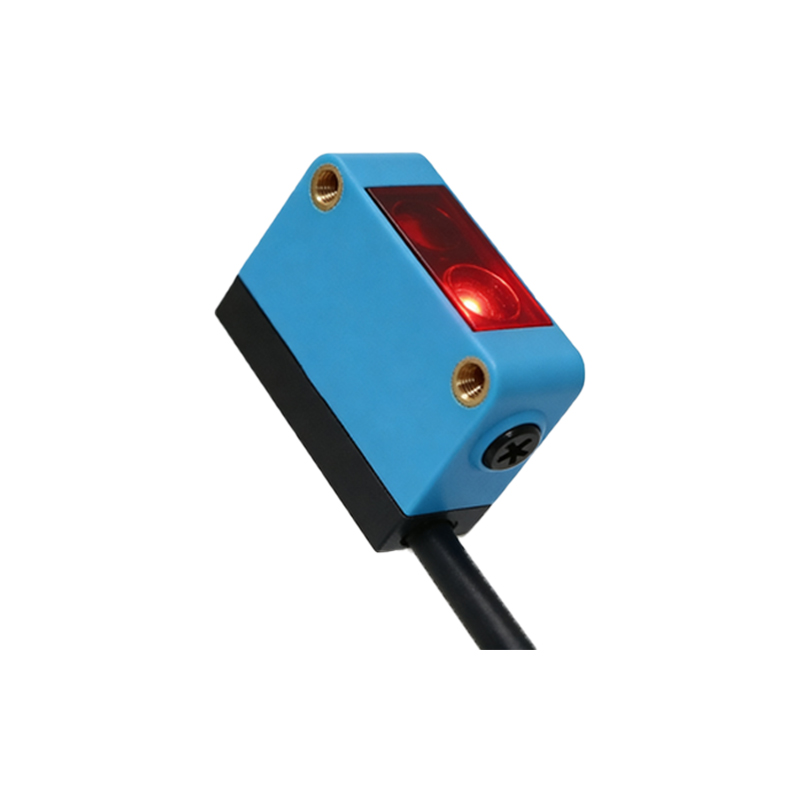
The measurement of physical quantities by photoelectric sensors is achieved through several distinct operational modes, each suited for different applications. The through-beam mode involves separate emitter and receiver units positioned opposite each other. The measurement is based on the attenuation of the light beam when an object passes through it, ideal for precise detection and counting over long distances. The retro-reflective mode uses a single unit housing both emitter and receiver, along with a reflector. The sensor detects an object when it interrupts the beam reflected back from the reflector. The diffuse reflective mode, or proximity mode, relies on the reflection of light directly from the target object itself. The intensity of the reflected light, which depends on the object's distance, color, and surface texture, is used to determine position or presence. Advanced versions utilize background suppression or distance measurement principles to provide more accurate readings independent of surface reflectivity.
Measuring Distance and Position
Distance and position are among the most common physical quantities measured. In diffuse sensors with background suppression, the sensor uses triangulation. The emitted light spot on the target is viewed by the receiver at a specific angle. As the target distance changes, the position of the light spot on the receiver's sensitive element (like a PSD or CMOS array) shifts. The electronics calculate this shift to determine the exact distance. Laser-based photoelectric sensors provide highly focused beams for micron-level resolution in precise positioning tasks, such as in semiconductor manufacturing or assembly line robotics. Continuous analog output signals (4-20 mA or 0-10V) proportional to the measured distance are provided for process control, while digital switches indicate when an object is within a preset window.
Detecting Presence and Counting Objects
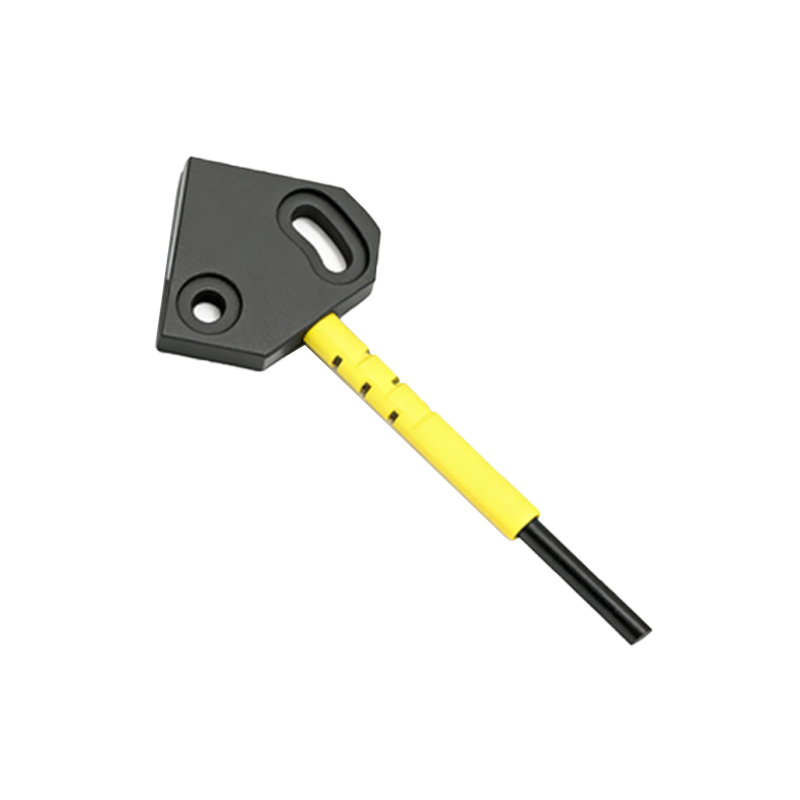
The binary detection of presence or absence is a primary function, forming the basis for object counting and sequencing. High-speed through-beam sensors are extensively used on conveyor lines to count bottles, packages, or components with extreme accuracy and at very high rates, unaffected by color or surface finish. The sensor's output pulse for each detected object is fed to a counter or PLC. In packaging machinery, photoelectric sensors ensure a product is present before applying a label or filling a container. Fork sensors, a type of through-beam sensor with a U-shaped housing, are perfect for detecting small parts like screws or tablets. The key metric here is response time, with modern sensors capable of switching frequencies in the kilohertz range.
Assessing Thickness and Dimensions
Thickness and one-dimensional size can be measured using opposed through-beam arrays or laser scanning. For example, in sheet metal or plastic film production, a scanning system with a laser emitter and a linear receiver array on the opposite side can measure the attenuation of the beam. Variations in the received signal correspond to the material's thickness if its opacity is constant. Alternatively, two diffuse sensors aimed at opposite sides of an object can provide distance readings to two reference points; the object's thickness is derived by subtracting these readings from the known total gap. For width measurement, a laser scanner sweeps a beam across a moving web of material, and the edges are detected by a change in reflected signal, calculating the width in real time.
Evaluating Surface Properties and Color
Photoelectric sensors can evaluate surface characteristics such as reflectivity, color, and contrast. Color sensors use a white light LED emitter and three separate receivers with red, green, and blue filters. They analyze the RGB components of the reflected light to distinguish colors for sorting applications, verifying label colors, or checking part correctness. Contrast sensors are optimized to detect the difference in light intensity between two adjacent areas, crucial for reading marks, codes, or verifying print registration. Luminescence sensors detect the presence of specific materials, like invisible UV marks on banknotes, by emitting UV light and sensing the visible wavelength glow in response.
Application in Level Measurement and Control
Liquid and solid level measurement in tanks, silos, and hoppers is a critical application. Through-beam or retro-reflective sensors are mounted at predetermined high or low-level points to provide point-level detection, triggering alarms or pump controls. For continuous level measurement, laser distance measurement sensors are mounted at the top of a tank, measuring the distance to the material surface. The level is calculated by subtracting this distance from the tank height. In transparent container filling, sensors detect the liquid level by the change in refraction of a light beam at the liquid-air interface, ensuring precise fill height.
Signal Processing and Output Integration
The raw signal from the photodetector requires sophisticated processing to become a stable measurement. Amplifiers built into the sensor or as separate units provide functions like setting sensitivity thresholds, switching hysteresis, and response time delays. They convert the analog photocurrent into stable digital switching signals or precise analog outputs. Teach-in functions allow for easy calibration by simply presenting the target object to the sensor under operating conditions. Communication capabilities via IO-Link, Profinet, or EtherNet/IP allow sensors to transmit not just a switch state but also detailed diagnostic data, measured values, and parameter settings directly to the control system, enabling predictive maintenance and advanced process optimization.
Conclusion and Future Trends
Photoelectric sensors provide versatile, reliable, and non-contact methods for measuring a wide array of physical quantities essential to industrial automation. From simple presence detection to complex dimensional and color analysis, they enhance efficiency, quality, and safety. Future advancements are focused on increased miniaturization, higher precision through improved optics and algorithms, and greater intelligence with embedded diagnostics and easier integration into Industrial Internet of Things (IIoT) frameworks. The integration of multi-pixel receiver arrays and sophisticated software will further expand their capabilities in complex measurement and inspection tasks.