Introduction to Door Handle Proximity Sensing
Modern vehicle access systems have evolved significantly, moving beyond traditional key-based entry. A critical component enabling keyless entry and passive start systems is the door handle proximity sensor. Specifically, the sensor integrated into the left rear door handle plays a vital role in the overall convenience and security architecture. This sensor is typically a capacitive or inductive type, designed to detect the presence of a user's hand or, more precisely, an authorized key fob in close proximity. Its primary function is to trigger the vehicle's control modules to perform a predefined action, such as unlocking the door or activating the welcome lighting sequence, without any physical contact required from the user.
Technical Operating Principles
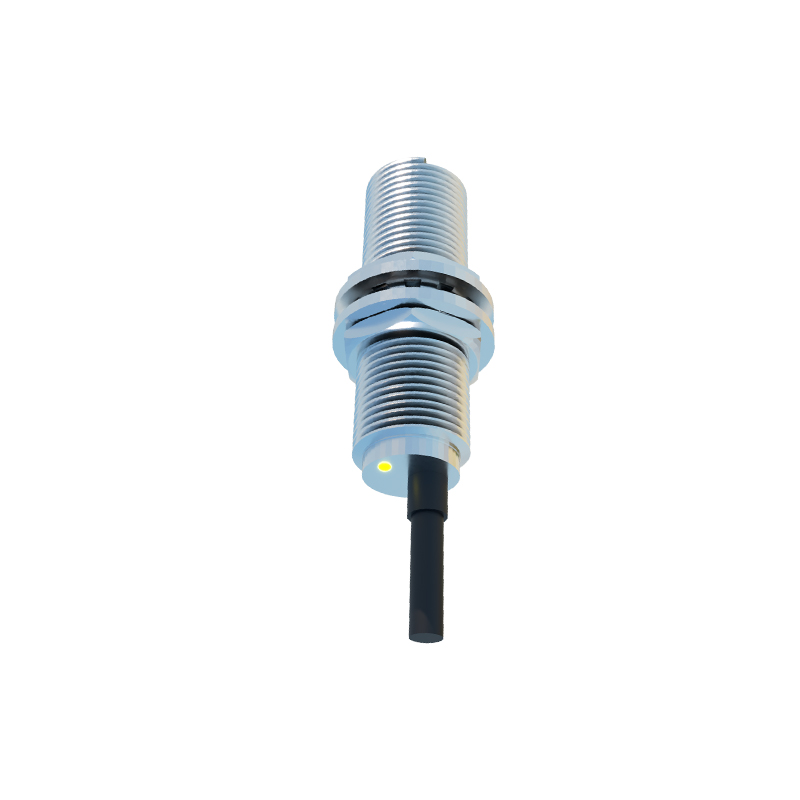
The left rear door handle proximity sensor operates on the principle of field disturbance. In capacitive sensing, an electrode is embedded within the door handle's structure. This electrode creates a weak electrostatic field. When a conductive object, like a human hand, enters this field, it causes a measurable change in capacitance. The sensor's integrated circuitry detects this change and sends a digital signal to the Body Control Module (BCM) or a dedicated door module. Inductive sensors work on a similar principle but detect changes in an electromagnetic field, often used to sense metallic objects like the key fob itself. The sensor is meticulously calibrated to have a specific detection range, usually between 5 to 15 centimeters, to prevent false triggers from passing objects while ensuring reliable user detection.
Integration and System Communication
The sensor is not a standalone device; it is a node within a complex vehicle network. It is physically connected via a wiring harness to a local door control unit or directly to the BCM. Communication is typically over a Local Interconnect Network (LIN) bus or via a simple analog/digital hardwired signal. Upon detecting a valid trigger, the sensor sends a coded message. The BCM then validates this signal against the status of the Passive Entry Passive Start (PEPS) system. If an authenticated key fob is confirmed to be in the detection zone, the BCM authorizes the door latch to unlock. This seamless integration ensures that the left rear door behaves identically to other doors equipped with similar technology, maintaining system uniformity.
Common Failure Modes and Diagnostics
Despite robust design, proximity sensors can fail. Common issues include complete sensor failure, intermittent operation, or reduced detection range. Failure can stem from physical damage to the handle, water ingress corroding connections or the sensor itself, wiring faults (opens, shorts to power or ground), or internal electronic component failure. Diagnostic procedures usually begin with scanning for Diagnostic Trouble Codes (DTCs) related to the door handle module or PEPS system. Using a professional scan tool, technicians can often view live data from the sensor, observing its status (active/inactive). Further electrical testing involves checking power, ground, and signal circuits at the sensor connector. In cases of suspected calibration loss or reduced sensitivity, specialized software may be required to recalibrate the sensor's field parameters.
Installation and Calibration Considerations
Replacing a faulty left rear door handle assembly with an integrated proximity sensor requires careful attention. After physical installation and connection, a software calibration or initialization process is almost always mandatory. This process, performed via OEM-specific diagnostic software, allows the BCM to learn the new sensor's baseline characteristics. Skipping this step can lead to non-operation or erratic behavior. It is also crucial to ensure that the handle's position and the surrounding trim are correctly assembled, as metallic or conductive materials in close proximity can shield or interfere with the sensor's field, degrading performance. Technicians must follow torque specifications for mounting bolts to avoid stress on the embedded sensor elements.
Future Trends and Enhancements
The evolution of door handle proximity sensors is tied to broader automotive trends. Future iterations may incorporate ultra-wideband (UWB) radio technology for more precise localization of the key fub, enabling features like approach-based personalized settings for the left rear passenger zone. Integration with capacitive touch sensors on the handle surface could differentiate between an intentional grasp and an accidental brush, improving security. Furthermore, as vehicle exteriors evolve with flush door handles for aerodynamics, the sensor technology will adapt, potentially using different sensing modalities or being integrated into surrounding body panels. The humble proximity sensor remains a key enabler for the seamless, intuitive user experience expected in modern and future vehicles.