Introduction to Photoelectric Sensors and Market Dynamics
The photoelectric sensor market represents a critical segment within the broader industrial automation and electronics sector. These devices, which detect the presence, absence, or distance of an object using a light transmitter and receiver, are indispensable in manufacturing, packaging, automotive, and consumer electronics. The global market is experiencing robust growth, driven by the relentless push towards Industry 4.0, smart factories, and the Internet of Things (IoT). This growth trajectory presents significant opportunities for investors looking to capitalize on companies at the forefront of sensor technology, component manufacturing, and integrated system solutions. The competitive landscape is shaped by technological innovation, miniaturization, cost-effectiveness, and the ability to provide reliable performance in diverse and harsh industrial environments.
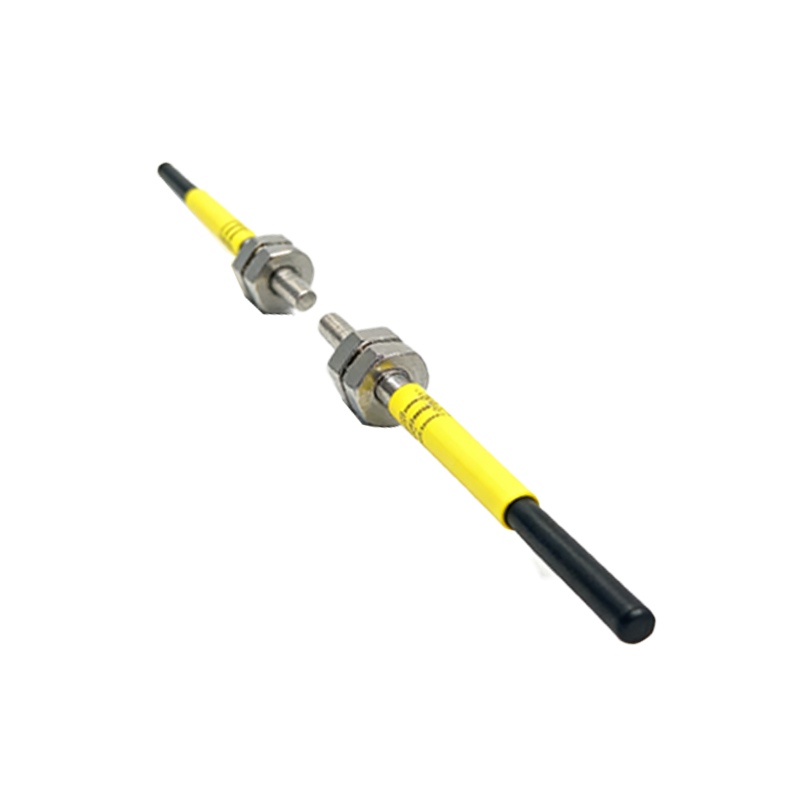
Key Investment Considerations in the Sensor Sector
Before delving into specific stocks, investors must understand the key metrics and factors that define leaders in this space. Financial stability, consistent revenue growth from the industrial automation segment, and healthy R&D expenditure are paramount. A strong global distribution network and a diversified product portfolio that includes not just standard sensors but also advanced solutions like fiber-optic types, color sensors, and distance measurement sensors are significant advantages. Furthermore, strategic positioning in high-growth verticals such as electric vehicle production, renewable energy, and advanced logistics can be a major differentiator. Market share, patent portfolios, and strategic partnerships with major industrial OEMs (Original Equipment Manufacturers) are also critical indicators of a company's long-term potential.
Top 10 Publicly Traded Companies in the Photoelectric Sensor Ecosystem
The following list highlights ten prominent publicly traded companies that are key players in the photoelectric sensor value chain. This ranking is based on a composite of market influence, product portfolio depth, technological expertise, and financial performance relevant to the sensor domain. The order is not strictly hierarchical, as each company may have unique strengths.
1. Keyence Corporation
A Japanese multinational, Keyence is often considered the gold standard in factory automation sensors, including photoelectric sensors. The company is renowned for its direct sales model, high-margin business, and relentless innovation. Its photoelectric sensor lineup is vast, featuring ultra-compact models, background suppression sensors, and specialized devices for challenging detection tasks. Keyence's financials are exceptionally strong, with high profitability and zero debt, making it a cornerstone holding for many investors in the industrial tech space.
2. Omron Corporation
Another Japanese industrial automation giant, Omron offers a comprehensive range of photoelectric sensors under its renowned "E3Z" and "E3S" series, among others. Omron competes directly with Keyence and is known for reliability, durability, and a broad global footprint. The company's sensors are integral components in automotive assembly lines, packaging machinery, and semiconductor manufacturing equipment. Omron's consistent performance and dividend history make it a stable investment in the sector.
3. Rockwell Automation, Inc.
As a leading provider of industrial automation and information solutions, Rockwell Automation incorporates photoelectric sensors into its broader control and sensing portfolios, such as the Allen-Bradley brand. The company's strength lies in providing integrated systems rather than just components. Its sensors are designed to seamlessly communicate within the Rockwell ecosystem (FactoryTalk), offering value through connectivity and data integration, which is crucial for smart manufacturing.
4. Sick AG
A German sensor specialist, Sick is a pure-play company entirely focused on sensor technology, including a wide array of photoelectric sensors for factory, logistics, and process automation. Sick is known for high-precision, rugged sensors for demanding applications like intralogistics and safety systems. While it is a public company, its shareholder base includes foundations, which can influence its strategic direction. Its expertise in LiDAR and vision sensors also positions it well for future trends.
5. Banner Engineering Corp.
A major U.S.-based player, Banner Engineering is a privately held company known for its innovative photoelectric sensors, including miniature models and specialized variants. It is a key competitor in the North American and global markets. For investment exposure, one might look at distributors or larger conglomerates that partner with or distribute Banner products, though direct public equity is not available.
6. Panasonic Corporation
The Japanese electronics conglomerate has a significant industrial devices division that manufactures photoelectric sensors. Panasonic's sensors are known for their cost-effectiveness and reliability, serving a wide market from consumer electronics assembly to heavy industry. Investing in Panasonic offers broad exposure to consumer and industrial electronics, with its sensor business being one part of a much larger diversified portfolio.
7. ifm electronic gmbh
A German family-owned company and a major global sensor manufacturer, ifm offers an extensive range of photoelectric sensors known for their robust design and IO-Link communication capabilities, enabling Industry 4.0 readiness. Similar to Banner, ifm is not publicly traded, limiting direct stock investment. However, its market presence is substantial, and it often sets technology trends adopted by publicly traded competitors.
8. Schneider Electric SE
This French multinational is a leader in energy management and automation. Through its brands like Telemecanique Sensors, Schneider offers a complete line of photoelectric sensors. Its investment appeal lies in its comprehensive EcoStruxure architecture, which integrates sensing, control, and software. Schneider is a play on broader industrial and building automation megatrends, with sensors as a critical enabling component.
9. Honeywell International Inc.
Honeywell's Sensing and Safety Technologies (SST) segment produces a variety of sensors, including photoelectric types used in safety, security, and industrial applications. While not its largest division, Honeywell's sensor technology is often embedded in high-value systems for aerospace, building controls, and performance materials. Investing in Honeywell provides diversified exposure across multiple high-tech industrial sectors.
10. Cognex Corporation
Although best known as the global leader in machine vision, Cognex's technology is fundamentally based on advanced photoelectric sensing (using cameras and light). Its vision systems perform complex inspection, guidance, and identification tasks that go beyond standard photoelectric sensors. For investors seeking exposure to the highest-value, most intelligent end of the "sensing" spectrum, Cognex is a premier choice, albeit with a valuation reflecting its niche leadership.
Investment Outlook and Risk Factors
The long-term outlook for photoelectric sensor stocks is tied to global capital expenditure in automation. Growth is likely to be sustained by trends in reshoring, labor cost pressures, and digital transformation. However, investors must be mindful of risks. These include cyclical downturns in core industries like automotive and semiconductors, supply chain disruptions for electronic components, intense price competition, and rapid technological obsolescence. Currency fluctuations also impact multinational players. A balanced portfolio approach, focusing on companies with strong moats, innovation pipelines, and financial resilience, is advisable for navigating this dynamic and essential sector of the industrial technology landscape.