Introduction to Inductive Proximity Sensors
Inductive proximity sensors are non-contact electronic devices designed to detect the presence or absence of metallic objects within their sensing range. Operating on the principle of electromagnetic induction, these sensors generate an oscillating electromagnetic field from a coil wound around a ferrite core. When a metallic target enters this field, eddy currents are induced in the object, causing a change in the oscillation amplitude. This alteration is detected by the sensor's circuitry, triggering an output signal. Known for their robustness and reliability, inductive sensors are widely used in industrial automation for tasks such as position detection, counting, and speed monitoring. Their ability to function in harsh environments—resistant to dust, moisture, and vibration—makes them indispensable in manufacturing, automotive, and packaging industries.
Core Working Principles and Components
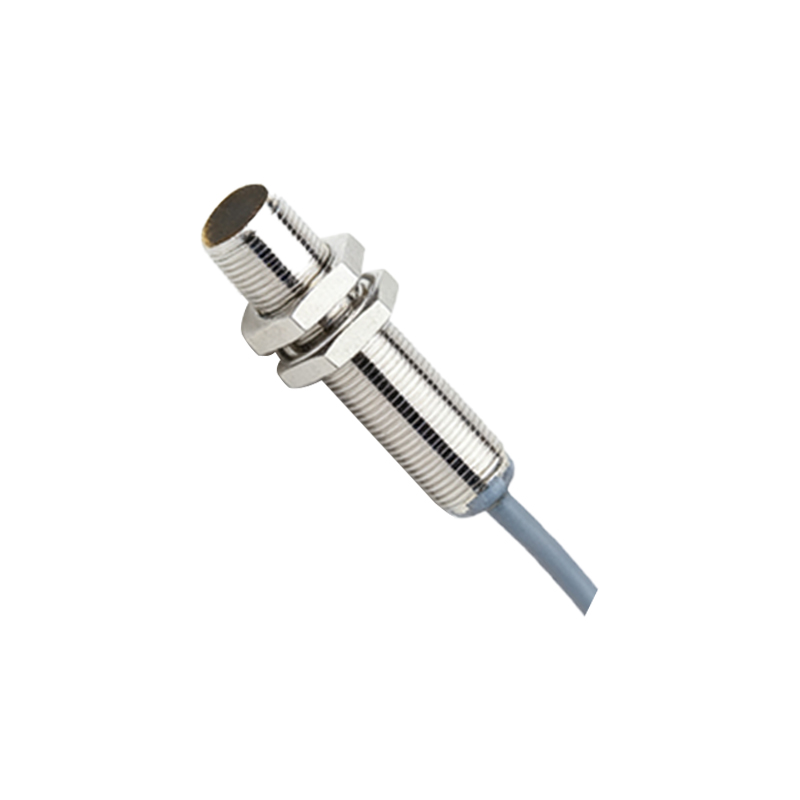
The functionality of automated inductive proximity sensors hinges on several key components: an oscillator, a demodulator, a trigger circuit, and an output stage. The oscillator produces a high-frequency electromagnetic field at the sensor's active surface. As a metal object approaches, energy loss due to eddy currents dampens the oscillations, which the demodulator converts into a DC voltage. This voltage is then processed by the trigger circuit to activate the output, typically in the form of a switching signal (e.g., PNP or NPN). Advanced models incorporate microprocessors for enhanced precision, allowing for adjustable sensing distances and temperature compensation. Materials like nickel-iron cores and copper coils optimize performance, ensuring minimal drift and long-term stability even under variable industrial conditions.
Advantages in Automation Applications
Automated inductive proximity sensors offer numerous benefits that streamline industrial processes. Their non-contact nature eliminates mechanical wear, leading to extended lifespan and reduced maintenance costs. High switching frequencies—often up to several kilohertz—enable rapid detection in high-speed assembly lines. Additionally, these sensors provide consistent accuracy, with repeatability tolerances as low as micrometers, crucial for quality control in precision engineering. Immunity to ambient light, color, and surface finish further enhances reliability, unlike optical alternatives. Integration with programmable logic controllers (PLCs) and industrial networks (e.g., IO-Link) facilitates real-time data exchange, supporting predictive maintenance and smart factory initiatives.
Selection Criteria for Optimal Performance
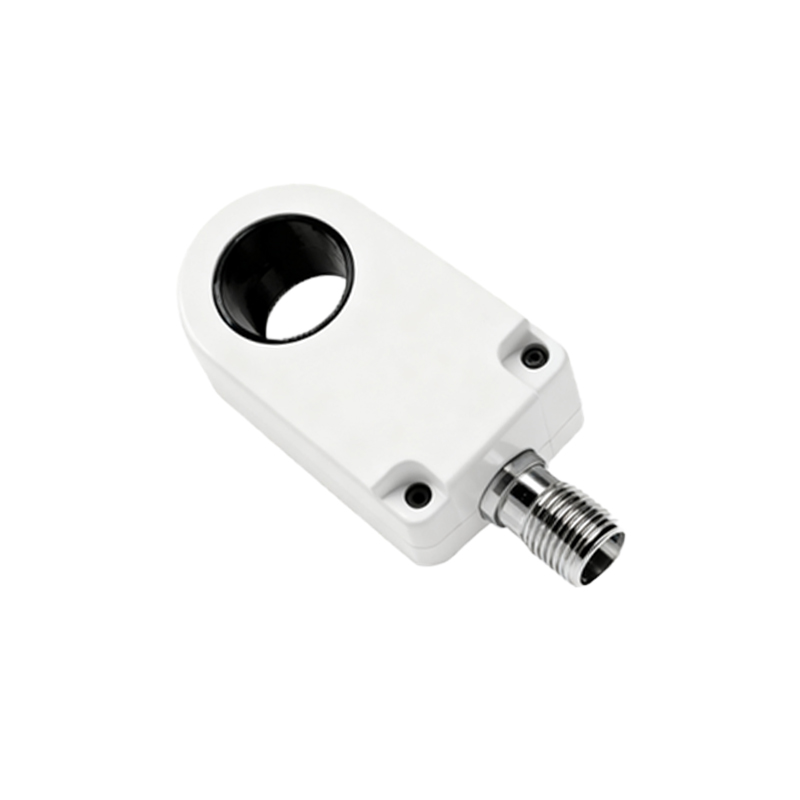
Choosing the right inductive proximity sensor requires careful consideration of application-specific parameters. Key factors include sensing distance, which varies based on target material (e.g., steel, aluminum) and size; standard ranges span from 1 to 40 millimeters. Environmental conditions, such as temperature extremes or exposure to chemicals, dictate housing materials like stainless steel or PTFE coatings. Output types (digital or analog) and electrical connections (e.g., M12 connectors) must align with control system requirements. For automated setups, features like teach-in functionality or diagnostic capabilities can simplify commissioning and troubleshooting. It is also essential to verify compliance with industry standards (e.g., IEC 60947-5-2) to ensure safety and interoperability.
Innovations and Future Trends
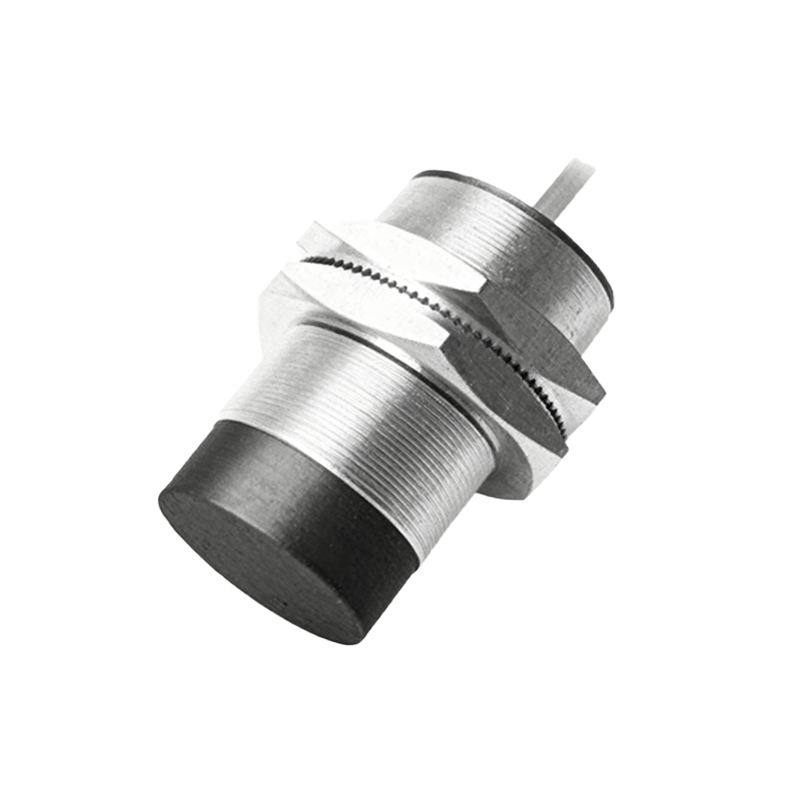
Recent advancements in inductive proximity sensor technology focus on miniaturization, intelligence, and connectivity. Ultra-compact designs, with diameters under 4 millimeters, enable integration into tight spaces for robotics and medical devices. Smart sensors equipped with IO-Link communication provide detailed diagnostics, such as wear indicators or contamination alerts, reducing downtime through condition-based monitoring. The rise of Industry 4.0 drives demand for sensors with embedded analytics, capable of self-calibration and adaptive sensing. Future developments may incorporate hybrid technologies, combining inductive principles with capacitive or ultrasonic elements for multi-material detection, further expanding their role in automated and flexible production systems.
Conclusion and Industry Impact
Automated inductive proximity sensors are pivotal in modern industrial automation, offering unmatched durability, speed, and precision. Their evolution from simple switches to intelligent nodes in networked systems underscores their adaptability to evolving manufacturing challenges. By enabling efficient, reliable object detection, these sensors contribute to enhanced productivity, safety, and sustainability across sectors. As industries continue to embrace digital transformation, the ongoing innovation in inductive sensing will likely foster more resilient and responsive automated environments, solidifying their status as a cornerstone of industrial sensing technology.