Understanding the Core Sensing Principles
The first step in selecting the correct photoelectric sensor is to understand the fundamental operating principles. Photoelectric sensors function by emitting a light beam, typically from an LED or laser diode, and detecting changes in the received light. The three primary sensing modes are through-beam, retro-reflective, and diffuse (proximity). Through-beam sensors consist of separate emitter and receiver units placed opposite each other, offering the longest sensing range and highest reliability as they detect the physical interruption of the beam. Retro-reflective sensors house both emitter and receiver in one unit, using a reflector to bounce the light back. They are ideal for detecting objects that might break the beam path. Diffuse sensors rely on the reflection of light off the target object itself, making them simpler to install but with a shorter, target-dependent range. Grasping these core principles is foundational to narrowing down your options.
Analyzing the Application Environment
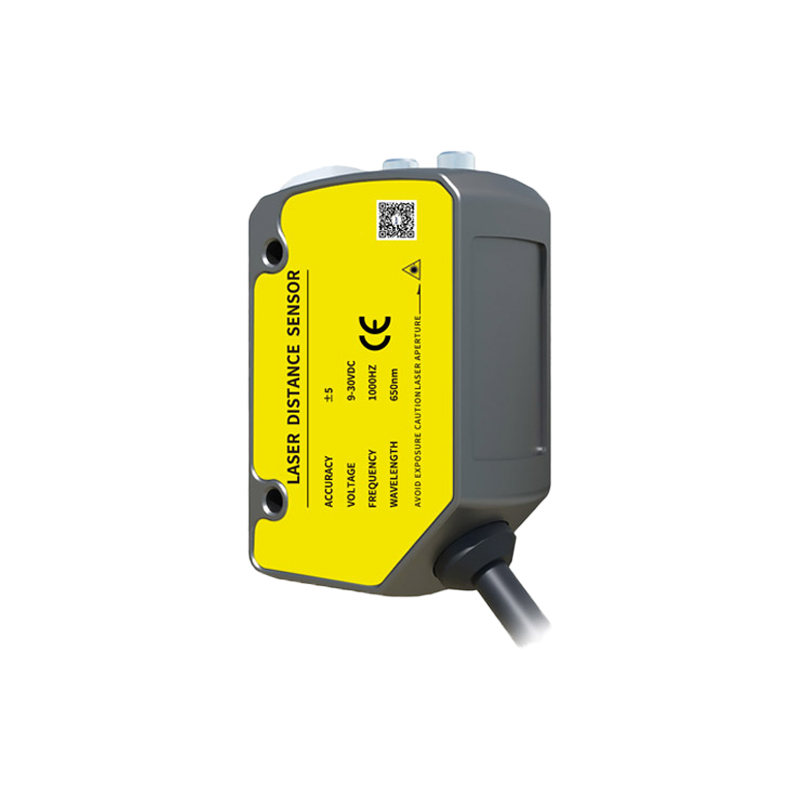
The operational environment critically dictates sensor suitability. Key factors include ambient light conditions, presence of dust, mist, or steam, temperature extremes, and potential for mechanical shock or vibration. For harsh, dirty environments, sensors with high IP (Ingress Protection) ratings, such as IP67 or IP69K, are essential. In settings with strong ambient light (e.g., sunlight or welding arcs), sensors with modulated infrared light and specialized filters are necessary to prevent false triggers. For cleanroom or food-grade applications, materials like stainless steel and specific sealing types are mandatory. Furthermore, consider if the environment contains highly reflective or absorbent materials, as this will influence the choice between polarized retro-reflective or diffuse sensors with background suppression.
Defining the Target Object Characteristics
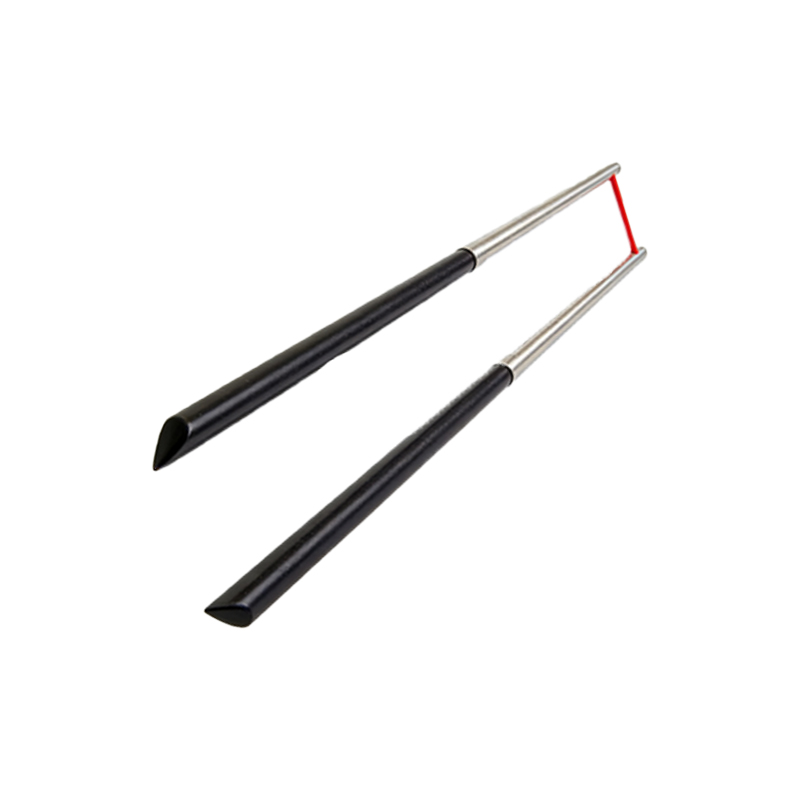
Precisely defining what you need to detect is paramount. Critical object properties include size, color, material, surface finish (glossy, matte, transparent), and the nature of the detection event (presence, absence, counting, positioning). For small objects, a precise, focused beam from a through-beam or convergent beam sensor is required. Detecting transparent materials, like glass or plastic films, often necessitates a through-beam sensor with a high-frequency modulated light to see through the transparency. For contrasting colors, a color mark sensor with a focused red, green, or blue light might be the solution. The object's surface directly impacts diffuse sensors; dark, matte surfaces reflect less light than bright, shiny ones, potentially requiring a sensor with adjustable sensitivity or a longer nominal range.
Evaluating Required Performance Specifications
Technical specifications translate application needs into quantifiable metrics. The most critical are sensing distance, response time, and output type. Determine the necessary operating or scanning distance between the sensor and the target. Always consider a safety factor, using 50-70% of the sensor's catalogued nominal range. Response time must be fast enough to keep up with the process speed, especially on high-speed production lines. Output type is crucial for integration: NPN/PNP transistor outputs are standard for PLCs, while analog outputs (4-20mA, 0-10V) are for distance or intensity measurement. Relay outputs handle higher power loads. Also, consider features like programmability, teach-in functions for easy setup, and built-in diagnostics like stability indicators or IO-Link communication for Industry 4.0 readiness.
Considering Installation and Electrical Constraints
Physical and electrical integration are practical hurdles that can disqualify an otherwise perfect sensor. Evaluate the available space for mounting the sensor body and ensuring a clear beam path for through-beam and retro-reflective types. Consider cable length and orientation; some sensors offer M8 or M12 quick-disconnect connectors for easy replacement. Electrical requirements include the supply voltage (e.g., 10-30V DC, 24-240V AC/DC) and current consumption, ensuring compatibility with your plant's power system. For complex setups with many sensors, choosing units with dual discrete outputs or configurable operating modes (light/dark on) can simplify wiring and control logic. Always verify the sensor's housing material and shape are suitable for the mounting location and any required cleaning processes.
Making the Final Selection and Validation
After filtering options through the previous steps, you will likely have a shortlist. At this stage, consult detailed manufacturer datasheets and application notes. Pay close attention to graphs showing sensing distance versus object size or material, as these provide real-world performance data. If possible, request a sample unit for testing in the actual application under all expected operating conditions. This on-site validation is irreplaceable, checking for false triggers, stability, and ease of alignment. Finally, consider total cost of ownership, which includes not just the unit price but also installation time, maintenance needs, and the reliability track record of the brand and specific model. A slightly more expensive, robust sensor that prevents costly line downtime is often the superior economic choice.