Understanding Photoelectric Sensor Technology
Photoelectric sensors are indispensable components in modern industrial automation, offering non-contact detection of objects based on light beam interruption or reflection. These sensors operate by emitting a light beam—typically infrared, visible red, or laser—from a transmitter and using a receiver to detect changes in the light pattern. The core principle involves the modulation of light, which allows the sensor to distinguish its own emitted signal from ambient light, ensuring reliable operation even in challenging industrial environments. Common sensing modes include through-beam, retro-reflective, and diffuse reflective, each suited for specific applications based on required sensing distance, object characteristics, and environmental conditions. Through-beam sensors, with separate transmitter and receiver units, provide the longest sensing ranges and highest reliability, making them ideal for precise detection in packaging or material handling. Retro-reflective models use a reflector to bounce light back to the receiver, offering a balanced solution for medium-range tasks. Diffuse reflective sensors detect light reflected directly from the target, suitable for short-range applications where space is limited. Understanding these fundamentals is crucial for selecting the right sensor to enhance automation efficiency, reduce downtime, and improve safety in processes ranging from assembly lines to robotic guidance systems.
Key Selection Criteria for Industrial Applications
Choosing the optimal photoelectric sensor requires careful evaluation of several technical and environmental factors to ensure consistent performance. Sensing range is a primary consideration; for long-distance detection up to several meters, through-beam or laser-based sensors are preferred, while diffuse types excel in close-proximity scenarios. The target object's properties—such as size, color, material, and surface texture—also influence selection. For instance, shiny or transparent objects may require polarized or background suppression sensors to avoid false triggers. Environmental conditions like dust, moisture, temperature fluctuations, and ambient light interference must be accounted for; sensors with high Ingress Protection (IP) ratings (e.g., IP67 or IP69K) and robust housings are essential for harsh settings. Response time is critical in high-speed automation, where milliseconds impact throughput; look for sensors with fast switching frequencies. Additionally, output types (e.g., NPN/PNP, analog, or IO-Link) should align with control system compatibility. Modern sensors often feature adjustable sensitivity, teach-in functions, and diagnostic indicators, simplifying setup and maintenance. By prioritizing these criteria, engineers can deploy sensors that deliver accuracy, durability, and seamless integration into automated workflows.
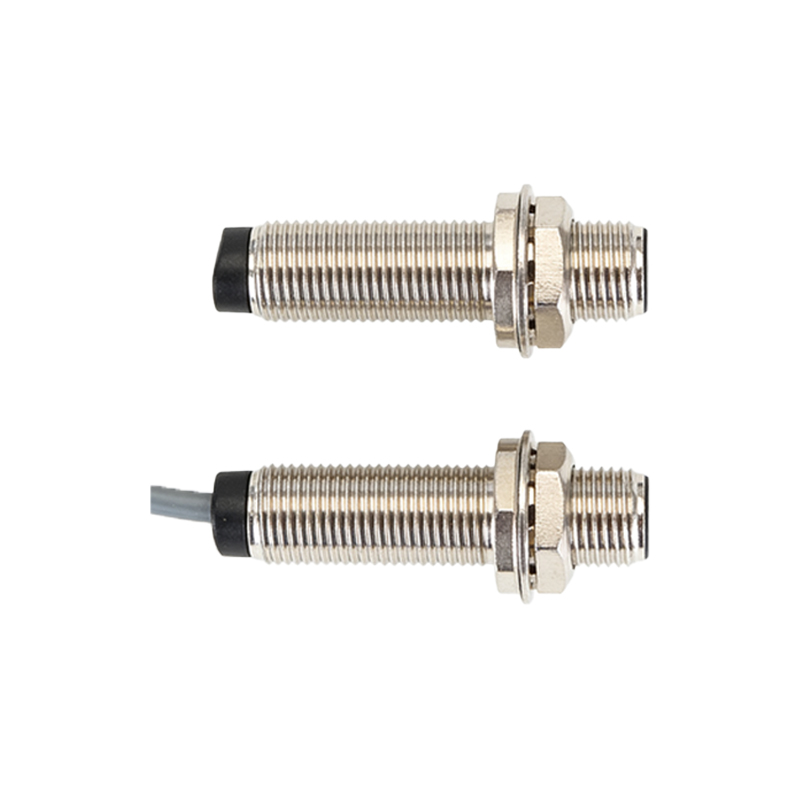
Top Recommended Photoelectric Sensor Models
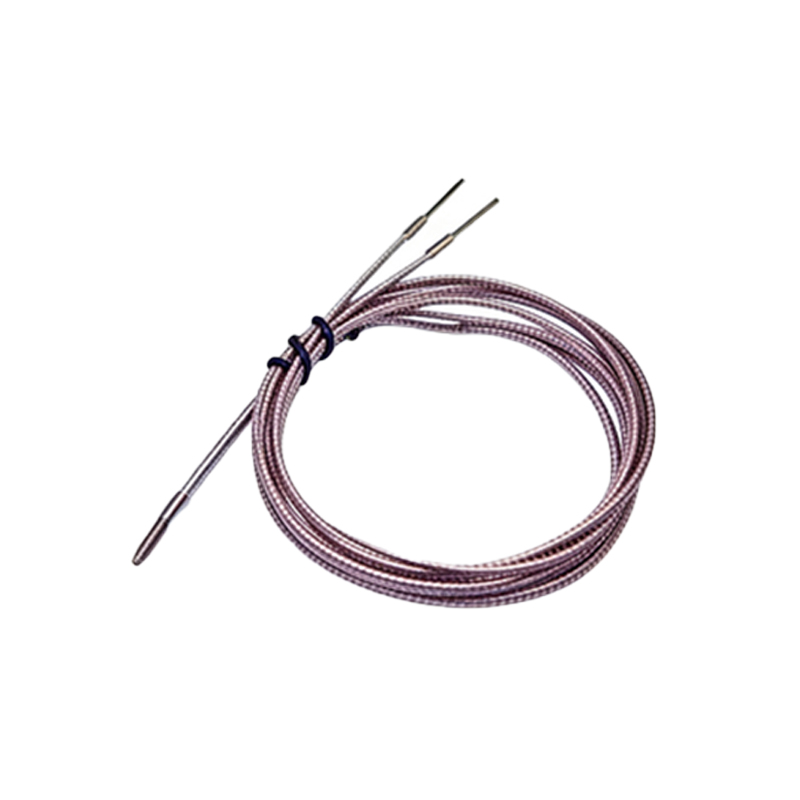
Based on industry performance and reliability, several photoelectric sensor models stand out for automation applications. The Omron E3Z series offers versatile diffuse reflective sensors with built-in amplifiers, providing sensing ranges up to 1 meter and IP67 protection for demanding environments. Its compact design and easy installation make it a go-to choice for conveyor systems and packaging machinery. For long-range precision, the Banner QS30 series through-beam sensor excels with ranges exceeding 30 meters, featuring rugged stainless steel housing and high immunity to electrical noise, ideal for outdoor or heavy industrial use. The Sick W4-3 diffuse sensor with background suppression is recommended for detecting contrasting or low-reflective objects, as it ignores background surfaces up to its calibrated range, ensuring stable detection in robotic picking applications. For flexible connectivity, the Pepperl+Fuchs UC series with IO-Link capability enables digital parameter setting and condition monitoring, supporting Industry 4.0 initiatives. Lastly, the Keyence FX-500 series fiber optic sensor, though a specialized variant, provides ultra-high-speed response and minute detection in tight spaces, perfect for electronics assembly. These models represent a blend of innovation and robustness, backed by proven track records in diverse sectors like automotive, food processing, and logistics.
Integration and Maintenance Best Practices
Proper integration and upkeep are vital to maximizing photoelectric sensor lifespan and accuracy. During installation, ensure precise alignment between transmitter and receiver for through-beam or retro-reflective types, using alignment tools if necessary to avoid signal loss. Mount sensors securely to minimize vibration-induced misalignment, and consider protective accessories like mounting brackets or shrouds in high-impact areas. Electrical wiring should follow manufacturer guidelines, with shielded cables in noisy environments to prevent electromagnetic interference. Regular maintenance includes cleaning lenses with soft, lint-free cloths to prevent dust or grime buildup that can attenuate light beams. Periodically verify sensor performance through diagnostic features or manual testing with target objects, adjusting sensitivity as needed to compensate for environmental changes. Implementing predictive maintenance via IO-Link or networked sensors can alert operators to potential issues like lens contamination or declining signal strength before failures occur. Training personnel on basic troubleshooting—such as checking power supplies, output signals, and environmental factors—reduces downtime. By adhering to these practices, facilities can sustain optimal sensor functionality, supporting continuous automation operations and reducing total cost of ownership over time.
Future Trends in Photoelectric Sensing
The evolution of photoelectric sensors is closely tied to advancements in industrial automation and digitalization. Emerging trends include the integration of smart sensors with Industrial Internet of Things (IIoT) platforms, enabling real-time data collection for analytics and predictive maintenance. Sensors with enhanced connectivity, such as those supporting Ethernet-APL or 5G, will facilitate faster communication in decentralized control systems. Miniaturization continues, with smaller form factors allowing installation in space-constrained applications without sacrificing performance. Improved materials and coatings are increasing durability against extreme temperatures, chemicals, and UV exposure. Additionally, multi-function sensors that combine photoelectric sensing with proximity or vision capabilities are gaining traction, offering comprehensive detection solutions in single units. Artificial intelligence (AI) is being incorporated to enable adaptive sensing, where sensors self-adjust parameters based on changing conditions or object variations. Sustainability efforts are driving energy-efficient designs with lower power consumption. As industries embrace more flexible and automated processes, photoelectric sensors will remain at the forefront, evolving to meet demands for higher precision, reliability, and intelligence in smart factory environments.