Fundamental Principles of Capacitive Sensing
Capacitive proximity sensors operate on the principle of capacitance change. They generate an electrostatic field from the sensing surface, which is typically the active face of the sensor. When a target object enters this electrostatic field, it causes a measurable change in the sensor's internal oscillator circuit. This change occurs because the target object alters the dielectric constant of the space between the sensor and the ground potential. Unlike inductive sensors that detect only metals, capacitive sensors can detect a vast range of materials, including liquids, powders, granules, and non-metallic solids like wood, glass, and plastic. The key parameters are the target's dielectric constant and its size relative to the sensor's sensing distance. Materials with a higher dielectric constant, such as water, are detected more easily and at greater distances than materials with a low dielectric constant, like certain plastics.
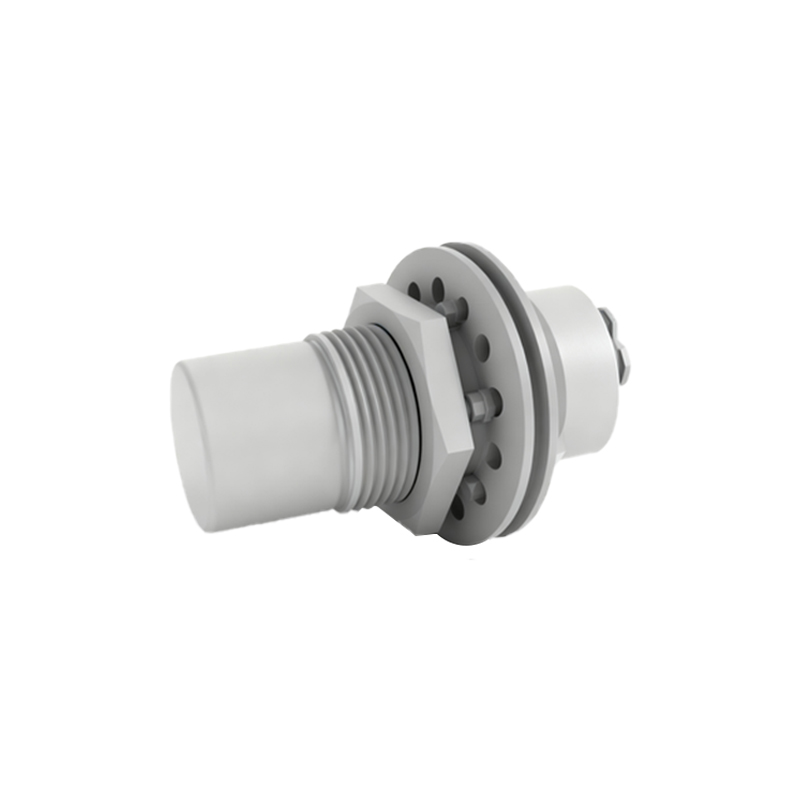
Standard Cylindrical Housing Types
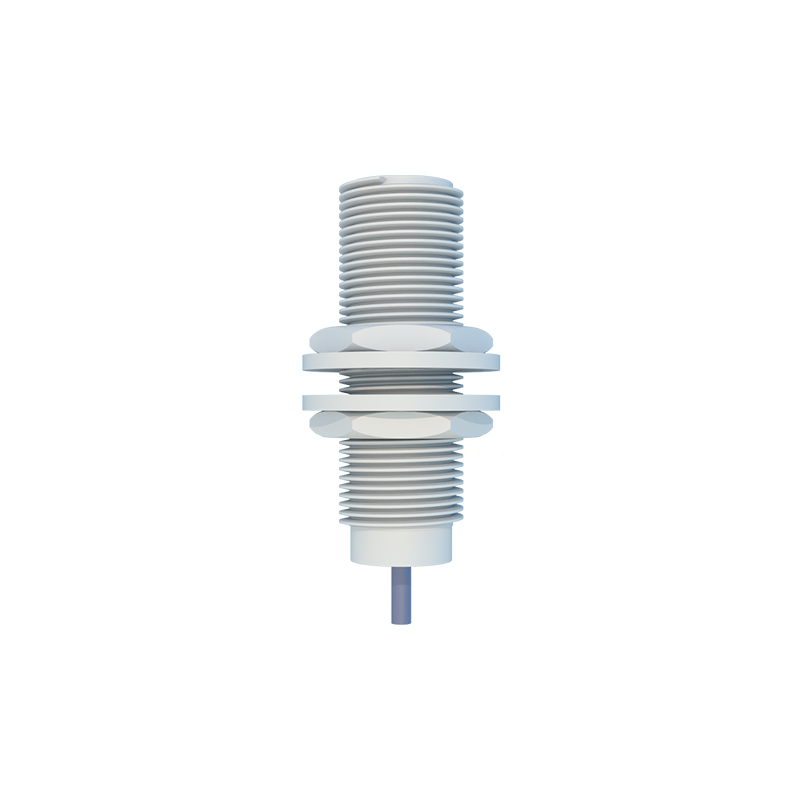
The most common form factor is the cylindrical threaded barrel, available in various international standard sizes. Typical metric diameters include M8, M12, M18, M30, and M40. These sensors are designed for easy installation into drilled and tapped mounting holes in machine frames, brackets, or enclosures. They offer robust metal or plastic housings, often with IP67 or IP69K ingress protection ratings for use in harsh industrial environments involving dust, coolants, or high-pressure washdowns. The sensing face can be flush-mounted or non-flush (with a protruding field). Flush-mounted versions are ideal for avoiding mechanical damage when installed flush with a metal surface, though they typically have a reduced sensing range. Non-flush versions provide a longer sensing range but require a clear, unobstructed area around the active face.
Rectangular and Block-Style Designs
For applications where space is constrained or a wider sensing field is required, rectangular or block-style capacitive sensors are employed. These compact designs often feature built-in mounting slots or holes for versatile attachment. Their sensing field is usually larger and more diffuse than that of a cylindrical sensor of comparable size, making them suitable for detecting bulk materials, monitoring fill levels through non-metallic container walls, or serving as non-contact limit switches. Many block-style sensors come with sensitivity adjustment potentiometers, allowing fine-tuning on-site to ignore container walls and focus solely on the material level inside, a critical feature for liquid or granular substance detection.
Analog Output and Specialized Variants
Beyond standard digital (ON/OFF) output types, analog output capacitive sensors provide a continuous signal proportional to the distance of the target or its material properties. The output is typically 0-10V or 4-20mA, enabling precise level measurement, thickness gauging, or moisture content analysis. Specialized variants include sensors with high-temperature housings for foundries or kilns, chemically resistant models for aggressive environments, and sensors with extended ranges for large-bin level detection. Another important category is the capacitive touch sensor, designed for human-machine interface (HMI) applications, where they detect the presence of a finger through a glass or plastic overlay, enabling sleek, sealed control panels.
Key Application Areas in Industry
Capacitive proximity sensors are indispensable across numerous sectors. In packaging, they detect the presence of plastic or glass bottles, cardboard boxes, and labels. In food and beverage processing, they monitor levels of liquids, powders, and grains in silos or hoppers, often through PVC or glass walls. In woodworking and material handling, they sense the presence of wood panels, composite boards, or stacks of paper. A critical application is liquid level control, where they reliably detect the interface between a liquid and air, or between two immiscible liquids, without direct contact. Their ability to function reliably despite dust, condensation, or material buildup on the sensing face makes them a robust choice for challenging environments.
Selection Criteria and Installation Tips
Selecting the correct capacitive sensor requires careful consideration. First, identify the target material and its dielectric constant to determine the necessary sensing distance, applying a substantial derating factor from the catalog specification. Next, choose the housing style and size based on the mounting constraints. The output type (PNP/NPN, NO/NC, analog) must be compatible with the control system (PLC). The power supply voltage (10-30V DC, or 20-250V AC) is another crucial factor. For level detection through a container wall, ensure the sensor's sensitivity is adjustable to compensate for the wall's thickness and material. During installation, maintain the recommended clearance from surrounding metal objects to prevent false triggering and ensure a stable sensing field. Regular maintenance involves cleaning the sensing face to remove any conductive material buildup that could cause the