Introduction to Proximity Switch Sensors
Proximity switch sensors are non-contact electronic devices designed to detect the presence or absence of an object within a specific sensing range without any physical contact. Operating on various principles such as electromagnetic, capacitive, ultrasonic, and photoelectric, these sensors are fundamental components in modern industrial automation. Their primary function is to convert the detection of a target into an electrical signal, which is then used to control machinery, count objects, or ensure safety in automated processes. The reliability, durability, and precision of proximity sensors make them indispensable in sectors ranging from automotive manufacturing and packaging to material handling and robotics. As industries increasingly embrace Industry 4.0 and smart manufacturing, the demand for sophisticated, reliable, and intelligent sensing solutions continues to surge, positioning the proximity sensor market for sustained growth.
Current Market Landscape and Key Drivers
The global proximity switch sensor market is currently experiencing robust expansion, driven by several interconnected factors. The relentless push towards industrial automation across all manufacturing sectors stands as the primary growth engine. Companies are investing heavily in automated production lines to enhance efficiency, reduce labor costs, and minimize human error, creating a massive demand for reliable sensing components. Secondly, the rise of the Internet of Things (IoT) and smart factory concepts necessitates sensors that can not only detect but also communicate data for predictive maintenance and process optimization. Furthermore, stringent safety regulations in industries like automotive and aerospace mandate the use of fail-safe detection systems, further propelling market adoption. The increasing complexity of electronic devices and the miniaturization trend also require precise, small-form-factor sensors, pushing technological innovation in the sector.
Technology Segmentation and Applications
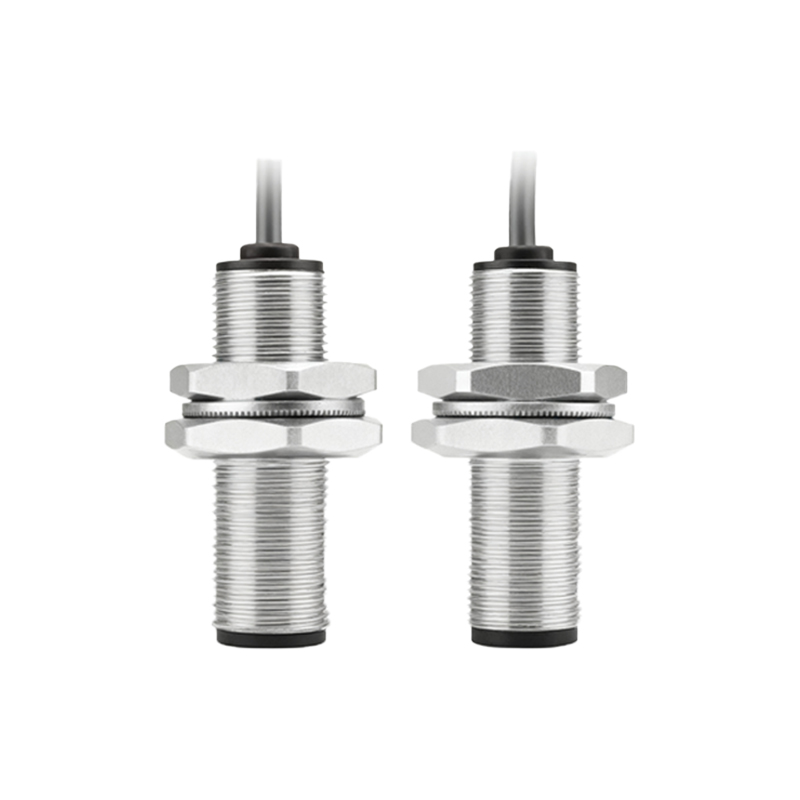
The market is segmented based on technology, with inductive, capacitive, magnetic, photoelectric, and ultrasonic sensors being the major categories. Inductive proximity sensors, which detect metallic objects, dominate applications in heavy machinery and automotive assembly due to their robustness. Capacitive sensors can detect both metallic and non-metallic materials, making them ideal for liquid level detection or plastic part recognition in packaging. Magnetic sensors are crucial for detecting position in harsh environments. Photoelectric sensors, using light beams, are preferred for long-range detection and clear object discrimination. Ultrasonic sensors excel in distance measurement and detecting transparent objects. Each type finds specialized applications; for instance, inductive sensors are ubiquitous on conveyor belts, while photoelectric sensors are critical in automated storage and retrieval systems (AS/RS). The choice of technology is dictated by factors like target material, required sensing distance, environmental conditions, and cost.
Regional Market Analysis and Growth Hotspots
Geographically, the Asia-Pacific region holds the largest share of the proximity sensor market and is expected to maintain its dominance throughout the forecast period. This is largely attributed to the massive manufacturing base in countries like China, Japan, South Korea, and increasingly, Southeast Asian nations. The region's aggressive adoption of automation in electronics, automotive, and consumer goods manufacturing fuels demand. North America and Europe follow, driven by advanced industrial sectors, high labor costs incentivizing automation, and strong focus on technological innovation and quality control. Emerging economies in Latin America and the Middle East & Africa are anticipated to exhibit higher growth rates as they modernize their industrial infrastructure. Growth hotspots are closely tied to regions with expanding automotive production, burgeoning electronics industries, and government initiatives supporting industrial automation.
Competitive Environment and Key Players
The proximity switch sensor market is highly competitive and fragmented, featuring a mix of large multinational conglomerates and specialized sensor manufacturers. Leading players include Siemens AG, Omron Corporation, Schneider Electric, Rockwell Automation, Inc., and Pepperl+Fuchs. These companies compete on factors such as product innovation, reliability, sensing range, form factor, connectivity features (like IO-Link), and global distribution and support networks. A key trend in the competitive landscape is the development of intelligent sensors with embedded diagnostics and digital communication capabilities. Strategic activities among players include mergers and acquisitions to broaden product portfolios, partnerships with automation solution providers, and significant investment in research and development to create sensors for emerging applications like autonomous guided vehicles (AGVs) and collaborative robots (cobots).
Future Trends and Market Challenges
The future of the proximity sensor market is intertwined with the evolution of Industry 4.0. Key trends include the integration of Artificial Intelligence (AI) and machine learning for smarter decision-making at the sensor level, leading to predictive analytics. The adoption of IO-Link communication protocol is becoming standard, enabling sensors to transmit detailed parameter and diagnostic data to control systems. There is also a strong push towards miniaturization without compromising performance, and the development of sensors capable of operating in extreme conditions (high temperature, pressure, corrosive environments). However, the market faces challenges such as price pressure from low-cost manufacturers, especially in