Introduction to Proximity Sensors
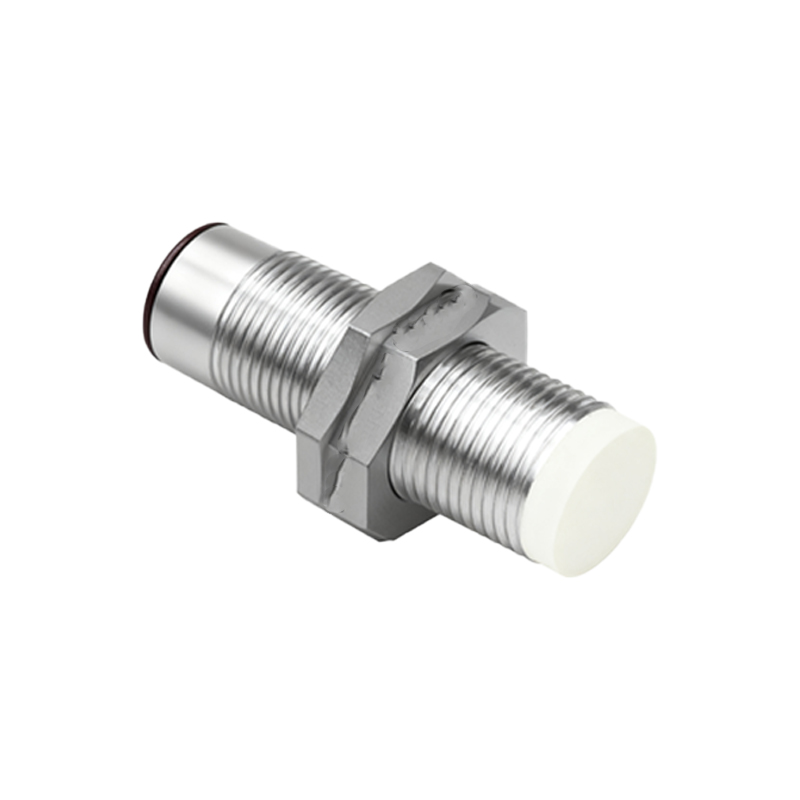
Proximity sensors are essential components in modern industrial automation, designed to detect the presence or absence of objects without physical contact. These devices operate based on various principles, such as electromagnetic fields, infrared light, or ultrasonic waves, enabling reliable detection in diverse environments. Commonly used in manufacturing, robotics, and automotive industries, proximity sensors enhance efficiency by providing real-time data for control systems. Their non-contact nature minimizes wear and tear, ensuring longevity and reducing maintenance costs. As technology advances, these sensors have evolved to offer higher precision, faster response times, and adaptability to harsh conditions, making them indispensable in smart factories and automated processes.
Object Detection and Positioning
One of the primary functions of proximity sensors is object detection and precise positioning. In assembly lines, sensors identify components as they move along conveyors, triggering actions like sorting or packaging. For example, inductive sensors detect metallic parts, while capacitive sensors handle non-metallic materials. This capability ensures accurate placement of items, reducing errors and improving production quality. In robotics, proximity sensors guide arms to grasp objects with exact positioning, enhancing automation in tasks such as welding or painting. By providing feedback on object location, these sensors enable seamless coordination between machinery, optimizing workflow and minimizing downtime.
Safety and Collision Avoidance
Proximity sensors play a critical role in enhancing safety by preventing collisions in industrial settings. In automated guided vehicles (AGVs) and robotic systems, sensors detect obstacles in their path, allowing for immediate stops or rerouting to avoid accidents. This function protects both equipment and personnel, reducing the risk of injuries and damage. In machinery like presses or cranes, sensors monitor safe zones, halting operations if an object enters a hazardous area. By integrating with safety protocols, proximity sensors contribute to compliance with industry standards, such as OSHA regulations, fostering a secure work environment and boosting operational confidence.
Speed and Motion Monitoring
Monitoring speed and motion is another key application of proximity sensors. In conveyor systems, sensors measure the velocity of moving objects, enabling control over production rates and synchronization with other processes. For instance, magnetic sensors track rotational speed in motors or gears, providing data for performance analysis and preventive maintenance. This function helps in detecting anomalies like slowdowns or jams, allowing for timely interventions to maintain efficiency. In automotive applications, sensors monitor wheel speed for anti-lock braking systems (ABS), enhancing vehicle safety. Overall, speed monitoring with proximity sensors supports predictive maintenance and ensures smooth, continuous operations.
Material Handling and Inventory Management
Proximity sensors streamline material handling and inventory management by automating tracking and counting processes. In warehouses, sensors detect items on shelves or during transportation, updating inventory records in real-time. This reduces manual labor and errors associated with stocktaking. For example, ultrasonic sensors measure fill levels in bins or tanks, triggering alerts for replenishment. In logistics, sensors identify packages on conveyors, facilitating sorting and routing. By providing accurate data on material flow, these sensors optimize supply chain efficiency, reduce waste, and support just-in-time manufacturing practices, ultimately lowering operational costs.
Quality Control and Inspection
In quality control, proximity sensors assist in inspection tasks by verifying product attributes without contact. Sensors can detect defects, such as cracks or misalignments, by measuring dimensions or surface characteristics. For instance, photoelectric sensors check for proper labeling or packaging seals, ensuring compliance with standards. This function minimizes rejects and rework, improving overall product quality. In food processing, sensors monitor fill levels in containers to prevent underfilling or overfilling. By integrating with vision systems, proximity sensors enhance inspection accuracy, enabling automated rejection of faulty items and maintaining high production standards.
Energy Efficiency and Environmental Adaptation
Proximity sensors contribute to energy efficiency by enabling smart control of equipment based on object presence. In lighting systems, sensors detect movement to turn lights on or off, reducing power consumption in unoccupied areas. In HVAC systems, they monitor occupancy to adjust temperature settings, optimizing energy use. Additionally, sensors designed for harsh environments, such as those with IP67 ratings, withstand dust, moisture, and extreme temperatures, ensuring reliable operation in industries like mining or agriculture. This adaptability reduces downtime and supports sustainable practices by minimizing resource waste and enhancing system longevity.
Conclusion and Future Trends
Proximity sensors are versatile tools that drive innovation in industrial automation through functions like detection, safety, and monitoring. As industries embrace Industry 4.0, these sensors are increasingly integrated with IoT networks for data analytics and remote control. Future trends include miniaturization, enhanced sensitivity, and AI-powered predictive capabilities, expanding applications in