Introduction to Proximity Sensing Technology
Proximity sensing represents a cornerstone of modern industrial automation, enabling non-contact detection of objects within a defined range. Among the various technologies available, photoelectric sensors, particularly those utilizing light-based proximity detection, offer exceptional versatility and reliability. The VS2 proximity light sensor stands as a prominent example within this category, engineered to deliver precise, stable performance in demanding environments. Its core principle involves emitting a beam of modulated light, typically infrared or visible LED-based, and detecting the reflection from a target object. The absence or presence of this reflected signal, or its intensity, is then processed to determine object presence, distance, or even specific characteristics. This non-contact method eliminates mechanical wear, ensures high-speed operation, and provides consistent repeatability, making it indispensable for countless automation tasks.
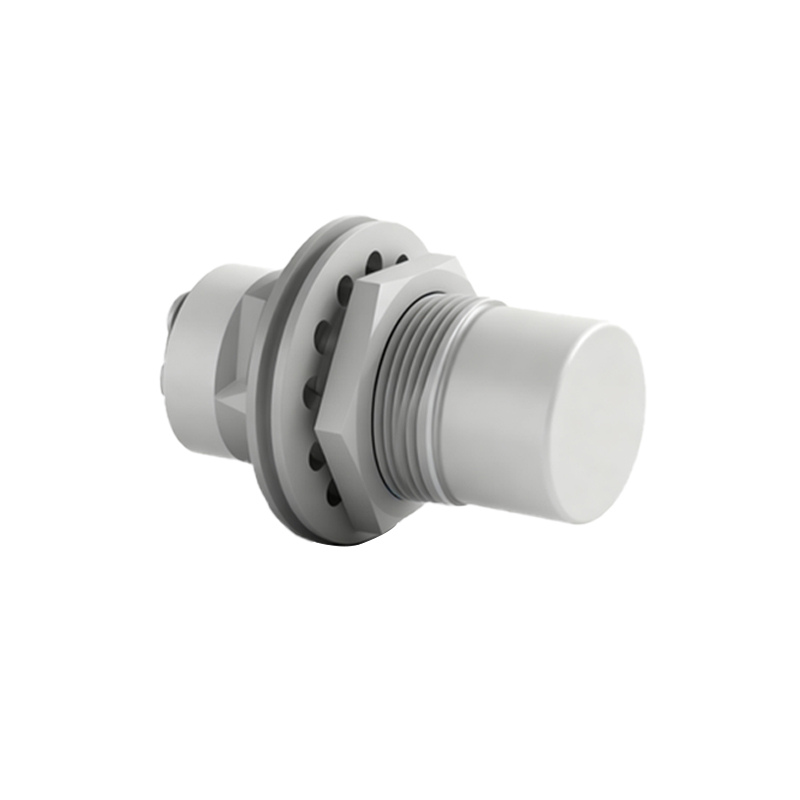
Core Operating Principles of the VS2 Sensor
The VS2 proximity light sensor operates primarily on the diffuse reflective principle, though some variants may incorporate background suppression or fixed-field background suppression technologies for enhanced precision. In its standard diffuse mode, the sensor houses both an emitter and a receiver. The emitter projects a continuous or pulsed light beam. When an object enters the sensing field, it diffusely reflects a portion of this light back to the integrated receiver. The sensor's internal circuitry, often featuring advanced microprocessors, analyzes this returned signal. A key differentiator is its ability to reliably detect objects regardless of color, material (within limits), or surface texture, though highly reflective or absorbent surfaces may require specific tuning or sensor variants. The sensing range is precisely calibrated and is a critical specification, typically ranging from a few millimeters to several meters, depending on the model and lens configuration.
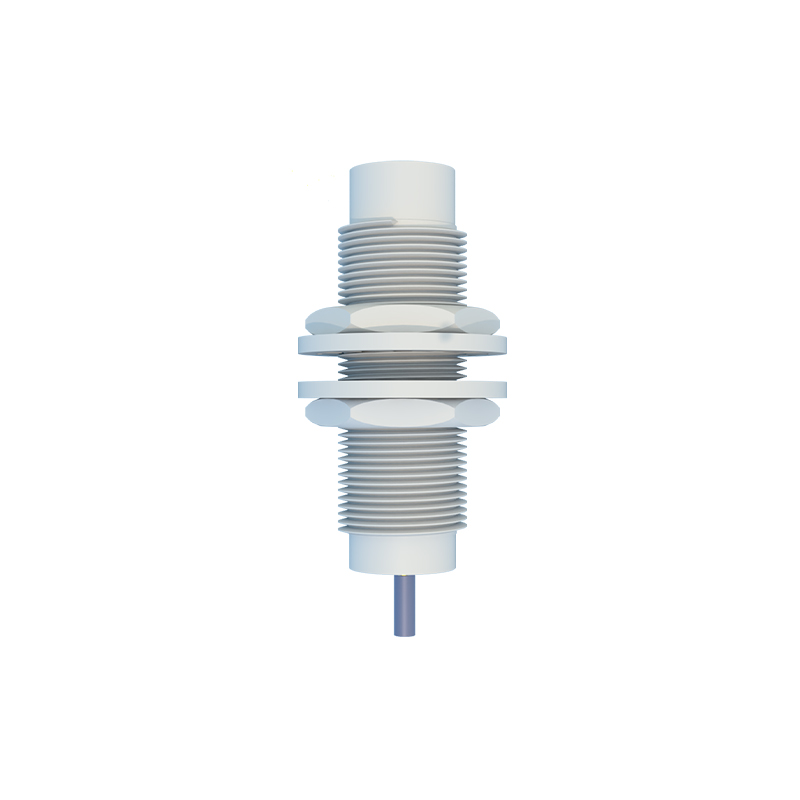
Key Technical Specifications and Features
Understanding the technical parameters of the VS2 is crucial for proper selection and integration. Key specifications include the sensing range, which defines the maximum reliable detection distance. The response time, often in the millisecond range, determines how quickly the sensor can detect a passing object, directly impacting line speed capabilities. The light source is typically a long-life LED, with infrared being common for immunity to ambient light interference. The VS2 series often features robust housing ratings, such as IP67 or IP69K, ensuring protection against dust, water jets, and harsh cleaning chemicals common in food processing or pharmaceutical settings. Electrical output options are diverse, including NPN/PNP transistor outputs, analog current/voltage outputs for distance measurement, and IO-Link for smart sensor capabilities, enabling parameter setting, diagnostics, and process data monitoring directly from a controller.
Configuration and Alignment Best Practices
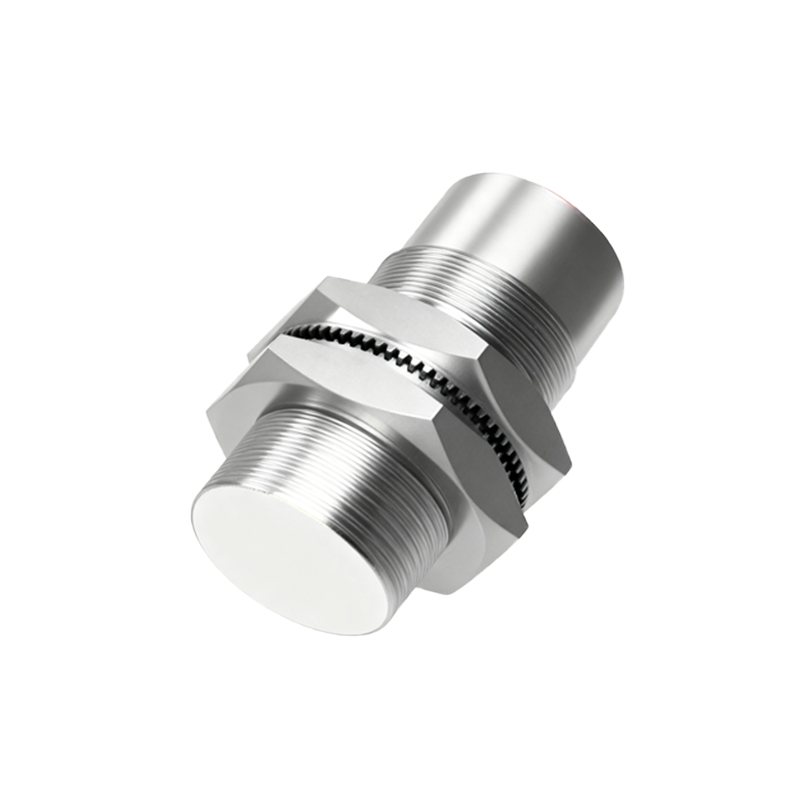
Correct installation and alignment are paramount for optimal VS2 sensor performance. Mounting must be secure to prevent vibration-induced misalignment. The sensor should be positioned so that the target object passes consistently within its specified sensing field. For diffuse sensors, it is critical to consider the background environment; highly reflective surfaces behind the target can cause false triggers. Many VS2 models feature potentiometers or teach-in buttons for easy adjustment of sensitivity and timing functions (on-delay, off-delay). For challenging applications with varying target colors or backgrounds, models with background suppression (BGS) or fixed-field background suppression (FGS) technology are recommended, as they evaluate the angle of the reflected light to ignore objects beyond a set distance, providing exceptional positional accuracy.
Common Industrial Applications and Use Cases
The application spectrum for the VS2 proximity light sensor is remarkably broad. In packaging machinery, they are used for detecting the presence of boxes, bottles, or labels on high-speed conveyors. In automotive assembly lines, they verify component presence and positioning. Material handling systems rely on them for pallet detection, stack height control, and robot guidance. A specific and critical use case is in elevator systems, where VS2 sensors provide non-contact door safety detection, ensuring doors do not close when an obstacle is present. Their robustness also makes them ideal for washdown areas in bottling plants or for detecting transparent objects like glass or plastic films, where other sensor types may fail.
Troubleshooting and Maintenance Guidelines
Despite their reliability, VS2 sensors can encounter issues. Common problems include failure to detect, intermittent operation, or constant output. Initial troubleshooting should always involve verifying power supply voltage and polarity. Next, inspect the lens for contamination from dust, oil, or debris, cleaning it carefully with a soft cloth. Check for misalignment due to vibration or impact. Electrical load compatibility and wiring integrity should be confirmed. Many modern VS2 sensors with IO-Link provide detailed diagnostic data, such as operating hours, temperature, and signal strength, facilitating predictive maintenance. Regular preventive maintenance includes visual inspection, cleaning, and verifying performance against a known reference target to ensure long