Introduction to Photoelectric Sensing
Photoelectric sensors operate on the principle of converting light signals into electrical signals to detect the presence, absence, or distance of objects. In vehicle detection, these sensors typically utilize infrared, laser, or visible light sources. A transmitter emits a light beam, which is either reflected back to a receiver (retro-reflective or diffuse modes) or received directly by a separate unit (through-beam mode). When a vehicle interrupts or reflects this beam, the sensor's output state changes, triggering a detection event. This fundamental principle enables non-contact, high-speed, and precise vehicle monitoring, forming the backbone of many traffic management and industrial automation systems. The technology's reliability stems from its immunity to electromagnetic interference and ability to function in diverse environmental conditions when properly specified.
Key Components and System Architecture
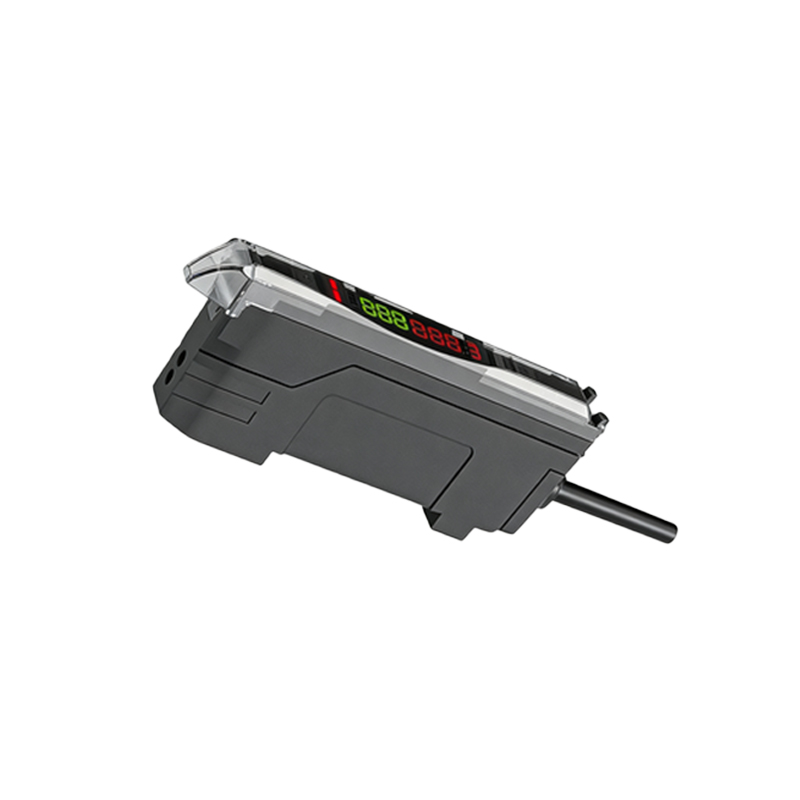
A complete photoelectric vehicle detection system comprises several critical components. The sensor head contains the light-emitting element (often an LED or laser diode) and the photodetector (such as a phototransistor or photodiode). Modern sensors integrate sophisticated optics to focus the beam and filter ambient light. The control unit processes the received signal, often incorporating adjustable sensitivity, timers, and logic functions. For vehicle detection, specific housing designs provide resistance to vibration, temperature fluctuations, and environmental contaminants like dust or moisture. System architecture may involve standalone sensors connected to programmable logic controllers (PLCs) or networks of sensors interfacing with central traffic computers via industrial communication protocols like IO-Link or Ethernet/IP, enabling real-time data aggregation and response.
Detection Modes and Methodologies
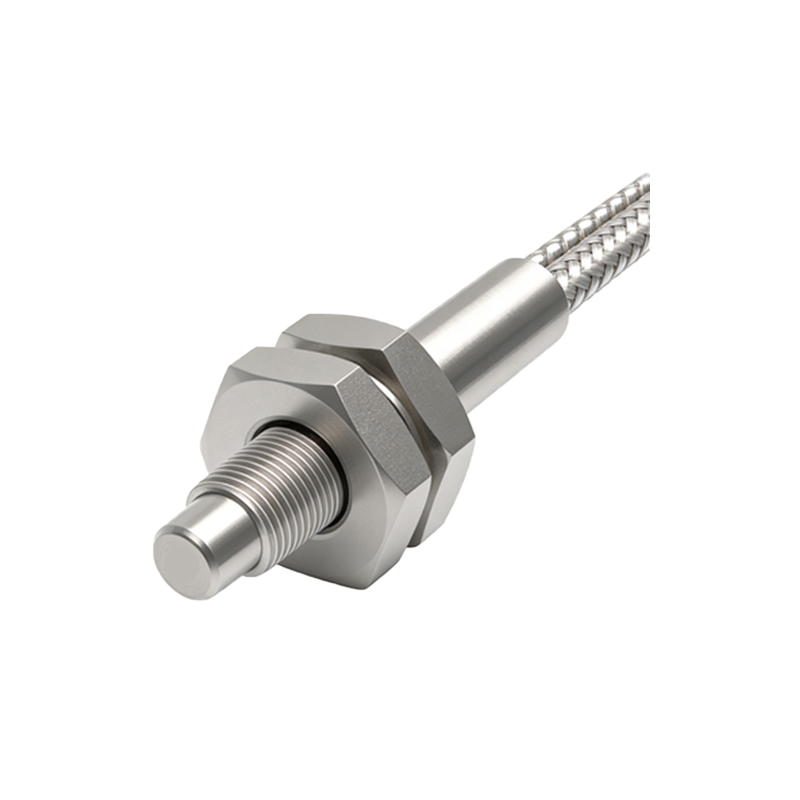
Different detection modes suit various vehicle detection scenarios. Through-beam sensors, with separate transmitter and receiver units, offer the longest range and highest reliability for counting vehicles on conveyor lines or at gate entrances. Retro-reflective sensors use a single unit and a reflector, ideal for detecting vehicles in parking space monitoring. Diffuse (proximity) sensors detect vehicles by reflecting light off the vehicle's surface, commonly used in automated assembly stations for part presence verification. Advanced methodologies include background suppression for precise detection at a set distance, ignoring objects beyond, and color contrast sensors that trigger based on specific vehicle color reflectivity. The choice of mode depends on required range, accuracy, environmental factors, and installation constraints.
Performance Specifications and Selection Criteria
Selecting the appropriate photoelectric sensor for vehicle detection requires careful analysis of performance parameters. Sensing range, expressed as the maximum distance for reliable operation, is primary. Response time, often in milliseconds, determines the system's ability to detect high-speed vehicles. Resolution and spot size affect accuracy in distinguishing closely spaced vehicles. Environmental ratings like IP67 or IP69K for dust/water ingress and operating temperature range are crucial for outdoor or harsh industrial applications. Additional features like programmable outputs, diagnostic LEDs, and teach-in functions for easy calibration enhance usability. Engineers must balance these specifications against application requirements such as vehicle speed, required detection distance, available mounting space, and ambient light conditions.
Industrial and Traffic Management Applications
In industrial settings, photoelectric sensors are indispensable for automated guided vehicle (AGV) systems, ensuring safe navigation and load handling. They count vehicles on production lines, verify positioning in robotic welding stations, and control access in warehouse logistics. For traffic management, these sensors provide data for adaptive traffic signal control at intersections, vehicle presence detection at toll booths, and queue length monitoring on highways. In parking facilities, they manage space occupancy and guide drivers to available spots. Security applications include vehicle height detection at facility entrances and unauthorized movement alerts. The non-contact nature minimizes maintenance compared to inductive loops, while providing superior speed and versatility.
Installation, Calibration, and Maintenance Best Practices
Proper installation is critical for optimal performance. Sensors must be securely mounted to avoid misalignment from vibration. The sensing path should be clear of obstructions and ambient light sources that could cause false triggers. Calibration involves adjusting sensitivity to reliably detect vehicles while ignoring environmental noise, utilizing built-in potentiometers or remote teach functions. Regular maintenance includes cleaning lenses to prevent dirt accumulation, checking mounting stability, and verifying electrical connections. Diagnostic tools monitor parameters like received light intensity, aiding predictive maintenance. Implementing redundancy for critical detection points ensures system reliability. Adherence to manufacturer guidelines for alignment, wiring, and environmental protection maximizes sensor lifespan and detection accuracy.
Integration with Broader Automation Systems
Modern photoelectric sensors do not operate in isolation. They integrate seamlessly into larger Industrial Internet of Things (IIoT) ecosystems. Sensor data feeds into supervisory control and data acquisition (SCADA) systems for traffic flow analysis or production monitoring. In smart factories, detection events can trigger automated processes via PLCs, such as starting a conveyor when a vehicle is in position. Connectivity through IO-Link allows parameter adjustment and health monitoring remotely, reducing downtime. Integration with machine vision systems can provide complementary data, using sensors for trigger activation and cameras for detailed inspection. This interoperability enhances overall system intelligence, enabling predictive analytics, energy efficiency optimizations, and centralized management of vehicle logistics.
Future Trends and Technological Advancements
The future of photoelectric vehicle detection is shaped by several emerging trends. Miniaturization allows sensors to fit into tighter spaces without sacrificing performance. Enhanced connectivity with 5G and wireless protocols enables easier deployment in expansive areas. The development of multi-function sensors that combine detection with distance measurement (using time-of-flight principles) and environmental sensing (like temperature) adds value. Artificial intelligence algorithms are beginning to process sensor data patterns to predict vehicle maintenance needs or traffic congestion. Furthermore, improved materials and designs increase durability and resistance to extreme conditions. As autonomous vehicles and smart city infrastructures proliferate, the demand for reliable, intelligent, and interconnected photoelectric detection systems will continue to grow, driving further innovation in this field.