Introduction to Proximity Sensing Technology
In the intricate landscape of industrial automation and control systems, proximity sensors stand as fundamental components, enabling machines to perceive their environment without physical contact. These devices detect the presence or absence of an object within a specified range, providing critical data for process control, safety, and efficiency. Their operation is based on various principles, including electromagnetic, capacitive, ultrasonic, and optical methods, each suited to specific applications and materials. The core function remains consistent: to offer a reliable, non-contact method of detection that surpasses the limitations and wear associated with mechanical switches.
Core Functions and Operational Principles
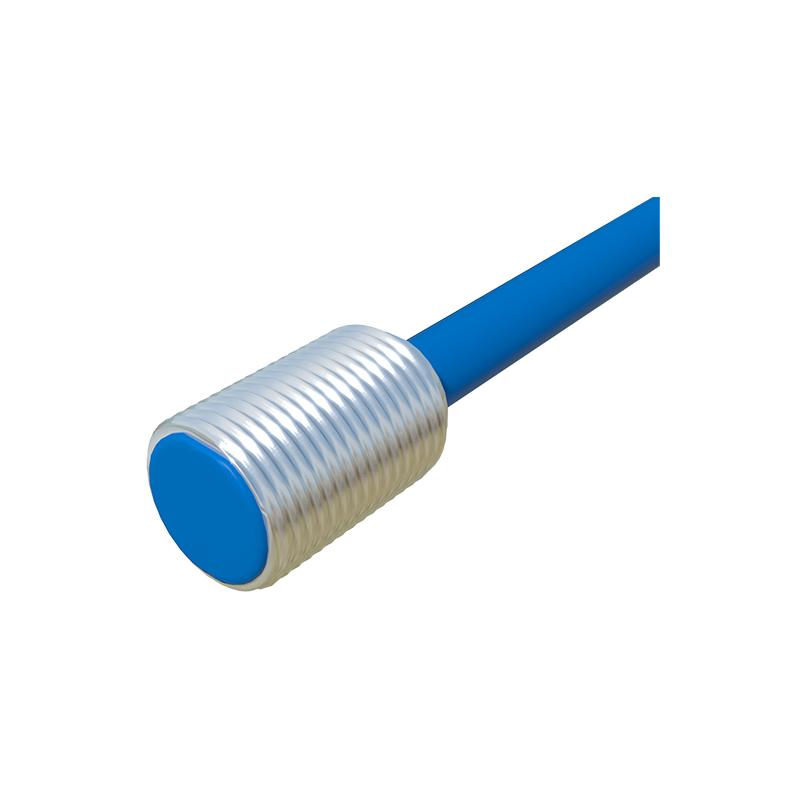
The primary function of a proximity sensor is to detect an object's presence and convert this information into an electrical signal. Inductive sensors, for instance, generate an electromagnetic field and detect eddy current losses caused by metallic targets. Capacitive sensors can detect both metallic and non-metallic objects by measuring changes in capacitance. Ultrasonic sensors use sound waves, while photoelectric sensors rely on light beams. This diversity allows engineers to select the optimal sensor type based on factors like target material, required sensing distance, environmental conditions (such as dust, moisture, or temperature), and response speed. The output is typically a discrete on/off signal or, in more advanced models, an analog signal proportional to distance.
Significance in Manufacturing and Automation
The significance of proximity sensors in modern manufacturing cannot be overstated. They are the silent sentinels on assembly lines, ensuring precise positioning of components, counting products, and verifying the closure of doors or guards. In robotic applications, they provide essential feedback for arm positioning and end-effector operation, enabling complex, repetitive tasks with high accuracy. By eliminating physical contact, they reduce mechanical wear and tear, leading to lower maintenance costs and increased system longevity. Their fast response times are crucial for high-speed production environments, where milliseconds impact throughput and quality.
Enhancing Safety and Predictive Maintenance
Beyond basic detection, proximity sensors play a pivotal role in operational safety. They are integral to safety interlock systems, ensuring machinery only operates when guards are correctly positioned or when personnel are at a safe distance. This non-contact nature is vital in hazardous areas. Furthermore, their data contributes to predictive maintenance strategies. By monitoring the consistent operation of mechanical parts—for example, detecting the passage of gear teeth or the position of a piston—sensors can help identify abnormal patterns or wear before a catastrophic failure occurs, minimizing unplanned downtime.
Impact on Efficiency and System Integration
The deployment of proximity sensors directly correlates with enhanced operational efficiency. They enable precise control, reduce product waste from misalignment, and allow for flexible, reprogrammable production lines. In the context of Industry 4.0 and the Industrial Internet of Things (IIoT), modern proximity sensors with digital interfaces and IO-Link capability can provide extensive diagnostic data. This includes information on sensor health, temperature, and signal strength, facilitating seamless integration into networked control systems for advanced monitoring, data analytics, and centralized management.
Future Trends and Evolving Applications
The evolution of proximity sensing technology continues to align with industrial trends. Sensors are becoming smaller, more robust, and intelligent. There is a growing demand for sensors capable of withstanding extreme environments, such as high temperatures in foundries or high-pressure washdowns in food and beverage plants. Furthermore, the integration of advanced materials and smarter electronics is expanding their application into new fields like autonomous mobile robots (AMRs), collaborative robotics (cobots), and sophisticated material handling systems, where nuanced environmental perception is paramount.
Conclusion: An Indispensable Industrial Component
In summary, proximity sensors are far more than simple switches. They are essential enablers of automation, safety, and intelligence in industrial systems. Their role in providing reliable, non-contact detection forms the backbone of countless automated processes, from the simplest conveyor belt to the most complex robotic cell. Their ongoing development ensures they will remain a critical and evolving technology, driving efficiency, safety, and innovation in the industrial world for the foreseeable future. Understanding their function and significance is key for any professional involved in designing, maintaining, or optimizing modern industrial operations.