Introduction to Slot Type Photoelectric Sensors
Slot type photoelectric sensors, often called through-beam sensors or fork sensors, are fundamental components in industrial automation. These devices consist of a U-shaped housing that integrates both an emitter and a receiver facing each other across a precise gap or "slot." The emitter projects a beam of light—typically infrared, red, or laser—directly to the receiver. An object is detected when it passes through this slot, interrupting the light beam. This opposed arrangement provides the highest level of detection reliability and sensing distance for a given size, making them exceptionally resistant to environmental factors like target color, reflectivity, or surface finish. Their self-contained, opposed design eliminates the need for precise alignment of separate components, simplifying installation and maintenance in high-speed or demanding applications.
Key Operating Principles and Components
The core principle is straightforward: detection occurs via beam interruption. The emitter side contains a light source, such as an LED or laser diode. The receiver side houses a phototransistor or photodiode tuned to the emitter's wavelength. When the beam is uninterrupted, the receiver's output is in one state (often termed "light-on" or "dark-on," configurable by the user). Upon interruption, the output switches. Advanced models incorporate modulated LED light and corresponding receivers that only respond to that specific modulation frequency. This technology, known as modulated or AC-operated sensing, makes the sensor highly immune to ambient light interference from factory lighting or sunlight, ensuring stable operation even in challenging optical environments. The housing is typically made from robust materials like ABS plastic or metal to withstand industrial debris, coolant, and physical impact.
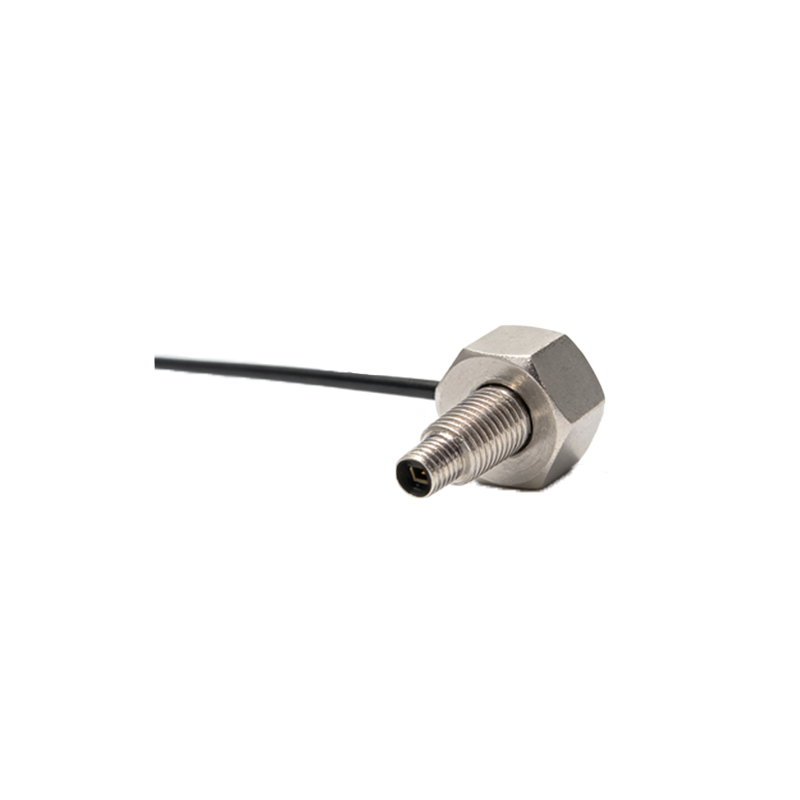
Primary Types and Variations
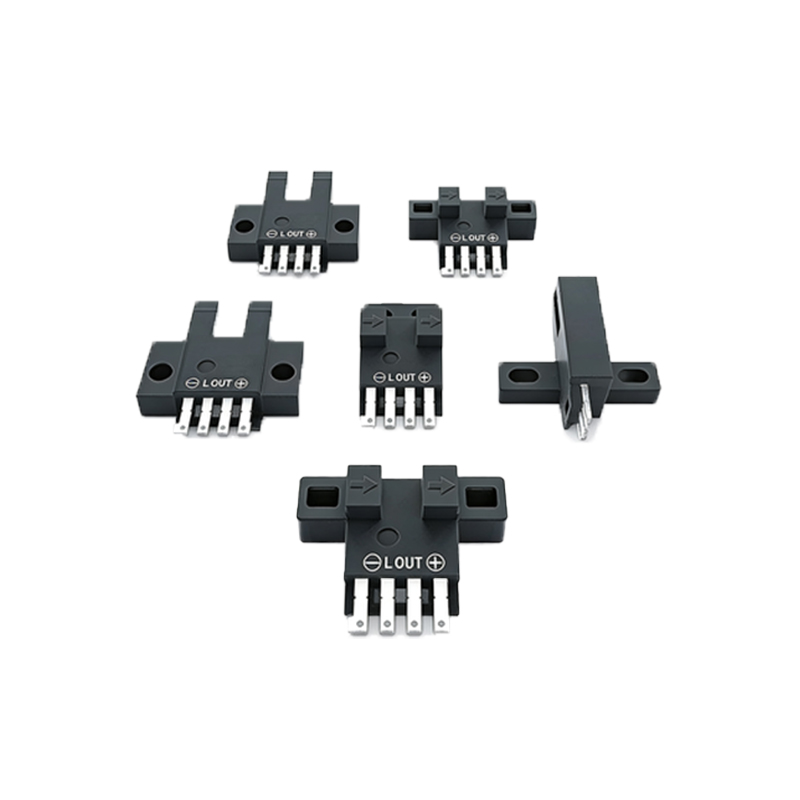
Several key variations exist within the slot sensor category. Standard diffuse-reflective slot sensors have the emitter and receiver in one housing but are set at an angle, detecting an object when it enters the slot and reflects the beam back. However, the true "through-beam" slot type is most common. Further differentiation comes from the light source and output configuration. Infrared sensors are ubiquitous for general object detection. Red light sensors provide a visible beam for easier alignment. Precision laser slot sensors offer a extremely focused beam for detecting minute objects like thin wires or small components. Outputs can be digital (NPN/PNP transistor) or analog (current or voltage proportional to received light intensity), with some models featuring dual independent outputs or IO-Link capability for smart sensor functionality and data exchange.
Critical Performance Specifications
When selecting a sensor, engineers must evaluate several specifications. Slot width and depth define the maximum size of object that can pass through. The minimum detectable object is the smallest item that will reliably interrupt the beam; for laser types, this can be sub-millimeter. Response time, measured in microseconds to milliseconds, determines the maximum sensing speed for objects on a high-speed production line. Light source type influences precision and environmental immunity. Operating voltage range (e.g., 10-30V DC) and output current capacity must match the control system. Environmental ratings are crucial; Ingress Protection (IP) ratings like IP67 indicate resistance to dust and temporary water immersion, while NEMA ratings may also be specified. Temperature range ensures operation in cold storage or hot factory settings.
Industrial Applications and Use Cases
The applications for slot photoelectric sensors are vast across manufacturing and packaging. They are indispensable in counting discrete products on conveyors, such as bottles, cans, or packaged goods. In printing and paper processing, they detect the leading edge of paper, sheet count, or tear detection. In assembly automation, they verify the presence of a component (like a screw or seal) before the next process step. They act as safety interlock sensors on guarded machinery, ensuring a cover is closed before operation. In textile machinery, they detect broken threads. Their high speed and reliability make them ideal for registration mark detection in labeling and packaging equipment, ensuring precise cut or placement timing. The non-contact nature prevents wear and damage to both the sensor and the detected objects.
Advantages Over Other Sensor Types
Compared to other photoelectric modes (retro-reflective or diffuse) or proximity sensors, slot types offer distinct benefits. Their opposed-beam design provides the longest effective sensing distance for a compact package and is largely unaffected by the object's surface properties. They offer very high contrast, meaning a reliable on/off signal regardless of target color. Alignment is fixed at the factory, so there is no need for tedious alignment during installation, unlike separate emitter/receiver through-beam setups. They are generally less susceptible to false triggers from shiny or angled surfaces that might reflect light away from a diffuse sensor. The physical slot also provides a natural guide or locating feature for the object being detected, adding mechanical repeatability.
Installation and Alignment Best Practices
While alignment is inherently simplified, proper installation remains key. The sensor must be mounted securely to prevent vibration from misaligning the internal components. Ensure the object path is centered in the slot to avoid physical contact with the sensor jaws, which could cause damage. Consider the mounting orientation to prevent accumulation of dust, chips, or liquid within the slot, which could block the beam. For detecting transparent objects like glass or clear plastic, ensure the light source has sufficient intensity and consider using a polarized filter model designed to see through glossy surfaces. Always connect the sensor to the correct power supply polarity and voltage, and ensure the load (e.g., a PLC input) is compatible with the sensor's output type (sourcing or sinking). Regular maintenance should include cleaning the emitter and receiver lenses with a soft cloth.
Selection Guide and Future Trends
Selecting the right sensor starts with the application: determine the object size, required speed, and environmental conditions. Choose a slot width with ample clearance. For small objects, specify a laser type. For wet areas, specify a high IP rating. For integration with Industry 4.0 systems, consider smart sensors with IO-Link for parameter setting, condition monitoring, and diagnostic data. Future trends point towards miniaturization for tighter spaces, increased use of high-power blue or green LED light sources for detecting specific materials, and enhanced connectivity. Furthermore, integrated logic functions and advanced diagnostics (like beam strength indication via an LED or digital signal) are becoming standard, aiding in predictive maintenance and reducing machine downtime. By understanding their types, principles, and applications, engineers can effectively leverage slot photoelectric sensors to build more reliable, efficient, and intelligent automated systems.