Introduction to Photoelectric Sensors in Elevator Systems
Photoelectric sensors are critical components in modern elevator systems, ensuring safety, precision, and operational efficiency. These devices utilize light beams to detect the presence or absence of objects, playing a vital role in door operation, car positioning, and passenger safety. As elevator technology advances toward smart and automated solutions, the demand for high-quality, reliable photoelectric sensors has surged. This guide explores the landscape of suppliers, key considerations for selection, and industry trends shaping this niche market.
Key Functions and Applications in Elevators
In elevator applications, photoelectric sensors primarily serve three functions: door safety, leveling control, and motion detection. For door systems, sensors prevent doors from closing on passengers or objects, enhancing safety compliance with international standards like EN 81-20/50. In leveling, they ensure the elevator car aligns precisely with floor landings, providing smooth entry and exit. Advanced sensors also monitor shaft conditions and detect obstructions, contributing to predictive maintenance strategies. Suppliers must design sensors that withstand harsh environments, including dust, vibration, and temperature fluctuations common in elevator shafts.
Leading Global Suppliers and Their Offerings
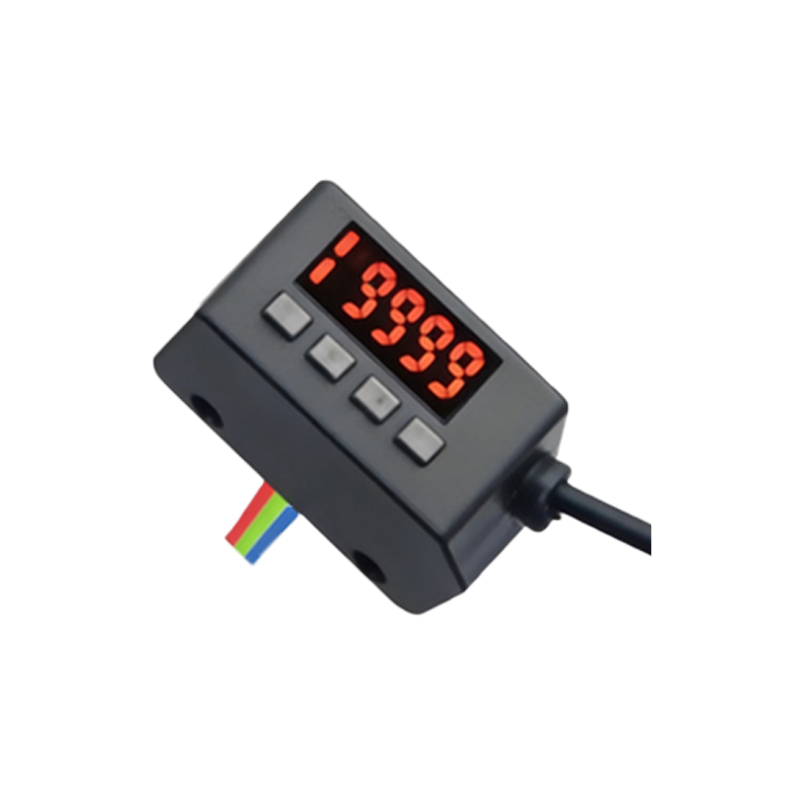
The market for elevator photoelectric sensors is dominated by specialized industrial automation companies and elevator component manufacturers. Key global suppliers include Siemens AG, Omron Corporation, Pepperl+Fuchs, and Banner Engineering. Siemens offers robust sensors integrated with building management systems, while Omron provides high-precision models with long operational lifespans. Pepperl+Fuchs specializes in explosion-proof and ruggedized sensors suitable for demanding installations. Additionally, niche suppliers like ifm electronic and SICK AG focus on innovative solutions, such as IO-Link enabled sensors for real-time data exchange. These suppliers often collaborate directly with elevator OEMs like Otis, KONE, and Schindler to develop customized sensor packages.
Technical Specifications and Selection Criteria
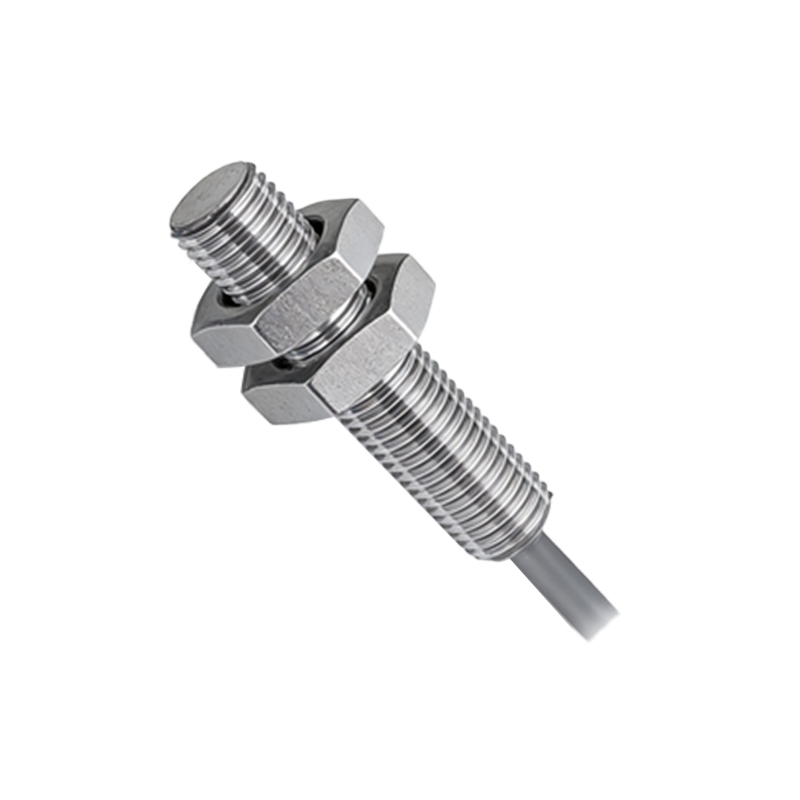
Selecting the right photoelectric sensor requires evaluating technical parameters aligned with elevator requirements. Critical specifications include sensing range, response time, light source type (e.g., infrared, laser), and housing material. For instance, sensors with a sensing range of 0.1 to 20 meters are typical for door and shaft applications. Response times under 1 millisecond ensure rapid reaction to safety events. Environmental ratings, such as IP67 for dust and water resistance, are essential for shaft-mounted sensors. Engineers should also consider output types (PNP/NPN) and compatibility with elevator control systems. Suppliers that provide detailed datasheets, certification marks (CE, UL), and application support are preferable for complex projects.
Industry Trends and Technological Advancements
The elevator photoelectric sensor market is evolving with trends like IoT integration, miniaturization, and energy efficiency. Modern sensors increasingly feature smart capabilities, transmitting diagnostic data to cloud platforms for predictive maintenance. This reduces downtime and operational costs for building managers. Miniaturized sensors allow for discreet installation in compact elevator designs, while low-power models support green building initiatives. Furthermore, advancements in laser and fiber-optic technology enable higher accuracy in position detection. Suppliers investing in R&D for these areas are likely to lead the market, offering solutions that align with the rise of smart cities and automated vertical transportation.
Challenges and Quality Assurance in Supply Chains
Procuring photoelectric sensors involves challenges such as supply chain disruptions, counterfeit components, and varying quality standards. To mitigate risks, industry professionals should partner with suppliers that have established quality management systems (e.g., ISO 9001) and traceable manufacturing processes. Regular performance testing, including endurance cycles under simulated elevator conditions, ensures reliability. Additionally, global suppliers with localized distribution networks can reduce lead times and provide technical support. It is advisable to audit supplier facilities or request third-party certification reports to verify compliance with safety and performance benchmarks specific to elevator applications.
Conclusion and Future Outlook
Photoelectric sensor suppliers play a pivotal role in advancing elevator safety and efficiency. As the industry embraces digitalization, the collaboration between sensor manufacturers and elevator companies will deepen, driving innovations in sensing technology. Professionals should prioritize suppliers that offer not only high-quality products but also comprehensive support and adaptability to future trends. By staying informed about technological shifts and supplier capabilities, stakeholders can ensure the selection of optimal sensors for reliable, long-term elevator operation.