Introduction to the B3U Proximity Sensor
The B3U series represents a highly reliable and versatile line of inductive proximity sensors designed for industrial automation. These sensors are engineered to detect the presence or absence of metallic objects without any physical contact, ensuring long operational life and minimal maintenance. Known for their robust construction, the B3U sensors excel in harsh environments where dust, moisture, and mechanical stress are common challenges. Their core principle of operation involves generating an electromagnetic field; when a metallic target enters this field, it induces eddy currents, causing a change in the sensor's oscillation amplitude, which is then detected and converted into a switching signal. This non-contact detection method makes them indispensable in modern manufacturing and process control systems.
Key Technical Specifications and Features
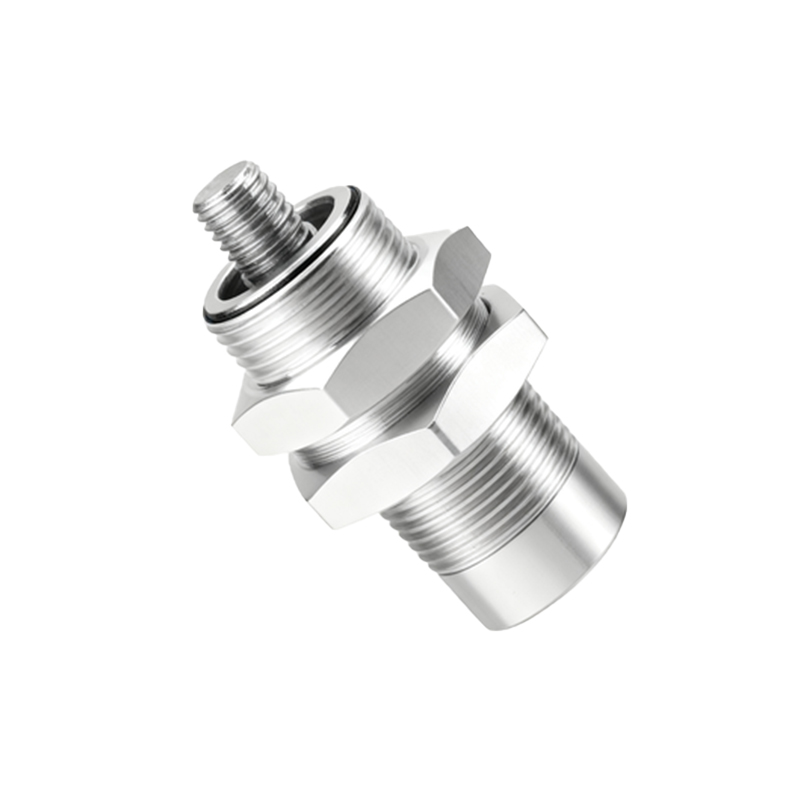
The B3U proximity sensor boasts a range of technical specifications that cater to diverse application needs. Typically available in both shielded and unshielded versions, they offer varying sensing distances, commonly ranging from 1mm to 15mm, depending on the specific model and target material. The sensors operate on standard DC voltages (10-30V DC) and provide either NPN or PNP output configurations, ensuring compatibility with a wide array of PLCs and control systems. A standout feature is their high switching frequency, often up to 3kHz, allowing for precise detection in high-speed applications. Additionally, they are characterized by a short-circuit and reverse polarity protection, enhancing system safety and durability. The housing, usually made of nickel-plated brass or stainless steel, provides an IP67 or higher ingress protection rating, making them resistant to water and oil splashes.
Typical Industrial Applications
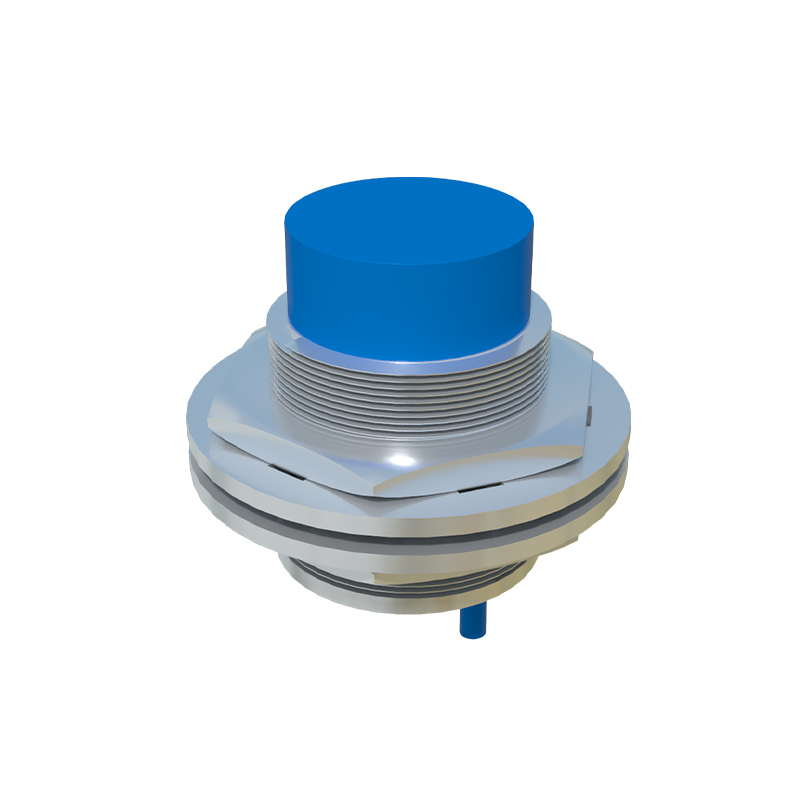
In industrial settings, the B3U sensor finds extensive use across multiple sectors. In automotive assembly lines, they are crucial for part positioning, robotic arm coordination, and verifying the presence of components like engine blocks or gears. Within packaging machinery, these sensors monitor fill levels, count products on conveyor belts, and ensure correct cap placement on bottles. The metalworking industry employs them for tool breakage detection, end-of-travel positioning on CNC machines, and monitoring workpiece presence in clamping fixtures. Their robustness also makes them suitable for material handling systems, where they detect pallets, control gate operations, and manage inventory in automated storage and retrieval systems. The non-contact nature eliminates wear and tear, ensuring consistent performance in continuous operation.
Advantages Over Other Sensing Technologies
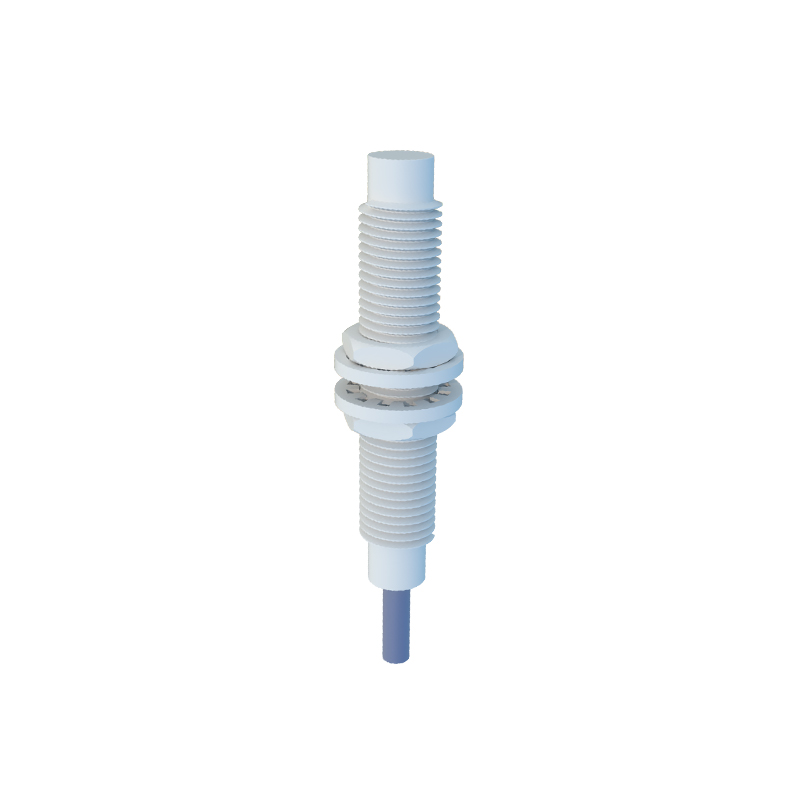
Compared to mechanical limit switches or photoelectric sensors, the B3U inductive proximity sensor offers distinct benefits. Its immunity to environmental factors like ambient light, dust, and non-metallic debris is superior to optical sensors. Unlike mechanical switches, it has no moving parts, resulting in virtually infinite mechanical life and eliminating issues related to contact bounce or physical wear. The sensor provides consistent detection regardless of surface color or transparency, a limitation for many photoelectric types. While capacitive sensors can detect non-metals, the B3U's specificity to metals reduces false triggers in environments with varying material presence. This reliability translates to reduced downtime, lower maintenance costs, and increased overall equipment effectiveness (OEE) in production facilities.
Installation and Wiring Considerations
Proper installation is critical for optimal performance of the B3U sensor. It is essential to maintain the specified sensing distance and consider the influence of surrounding metals, which may require increased mounting clearance for unshielded models. The sensor should be mounted securely to minimize vibration effects. For wiring, users must adhere to the designated connection diagram: typically, brown wire for positive supply, blue wire for negative/common, and black wire for the output signal. Implementing shielded cables in electrically noisy environments can prevent electromagnetic interference from causing erratic switching. Regular functional testing after installation, using a metallic target, verifies correct operation. Additionally, ensuring the operating voltage and load current remain within the sensor's rated specifications prevents premature failure.
Selection Criteria and Best Practices
Selecting the appropriate B3U model requires a careful analysis of application parameters. First, determine the target material (e.g., steel, aluminum, brass) as different materials affect the effective sensing range; a reduction factor is applied for non-ferrous metals. Next, consider the required sensing distance, choosing a sensor with a nominal range slightly greater than the application needs to account for tolerances. The housing shape (cylindrical, rectangular) and size must fit the mechanical constraints. The output type (NPN sinking or PNP sourcing) must match the control system's input module. For high-speed applications, verify the response time and switching frequency. Environmental conditions dictate the necessary ingress protection (IP) rating and housing material. Consulting the manufacturer's datasheet