Understanding Proximity Sensor Fundamentals
Proximity sensors are indispensable components in modern industrial automation, providing non-contact detection of objects. Before initiating an order, a clear understanding of the core types is crucial. Inductive sensors detect metallic objects, utilizing an electromagnetic field. Capacitive sensors can detect both metallic and non-metallic materials by sensing changes in capacitance. Ultrasonic sensors use sound waves to measure distance to an object, while photoelectric sensors employ a light beam. Each type operates on distinct principles, making selection the first and most critical step in the procurement process. The operating principle directly dictates the sensor's application suitability, environmental resilience, and overall performance metrics.
Defining Your Application Requirements
A precise definition of your application parameters prevents costly mismatches. Begin by specifying the target material: ferrous metals, non-ferrous metals, plastics, liquids, or granular substances. Next, determine the required sensing distance, known as the nominal range. It is standard practice to select a sensor with a rated operating distance 20-30% greater than the actual required distance to account for environmental factors and manufacturing tolerances. Consider the output configuration needed: PNP (sourcing) or NNP (sinking) transistor outputs, analog current (4-20mA) or voltage (0-10V) signals, or relay contacts. The required switching frequency, measured in Hertz, is vital for high-speed applications. Finally, document the electrical specifications: operating voltage range (e.g., 10-30V DC, 20-250V AC) and current consumption.
Evaluating Environmental and Mechanical Factors
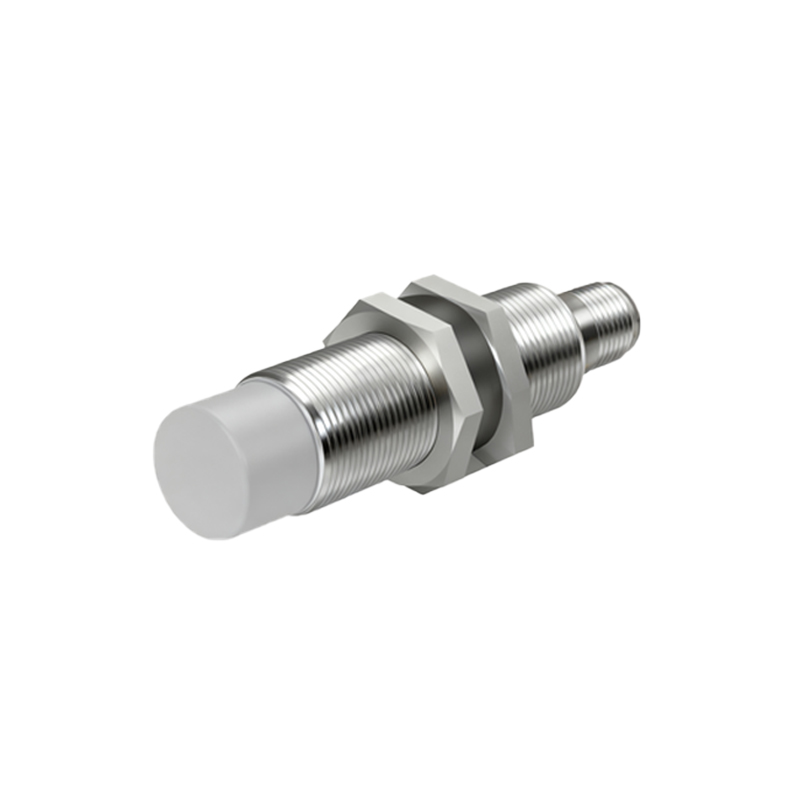
The installation environment dictates the necessary sensor housing and protection ratings. For harsh industrial settings with dust, coolants, or washdowns, an IP67 (dust-tight and protected against temporary immersion) or IP69K (protected against high-pressure, high-temperature jet sprays) rating is mandatory. The housing material is equally important; stainless steel (e.g., V4A/AISI 316L) is preferred for corrosive or hygienic environments, while nickel-plated brass or PBT plastic may suffice for general purposes. Mechanical considerations include the sensor's form factor (barrel-style, rectangular, ring-shaped), thread size (e.g., M8, M12, M18, M30), and mounting method. Ensure the selected form factor and dimensions fit within your machine's spatial constraints.
Selecting the Correct Electrical Interface and Wiring
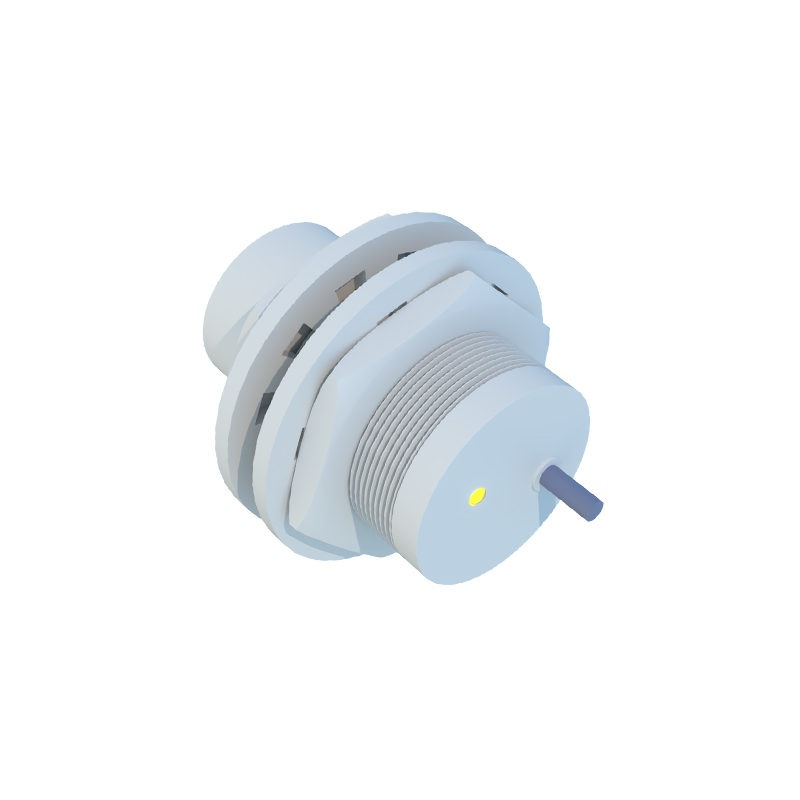
Electrical compatibility with your control system is non-negotiable. Confirm whether your PLC or controller input card is designed for PNP (positive switching) or NPN (negative switching) logic. Mismatching this will result in system malfunction. For analog sensors, decide on the signal type and range that matches your analog input module. Pre-wired connectors (typically M8 or M12 coded connectors) offer quick installation and improved reliability compared to individual wire terminations. Specify the required cable length and material; PUR cables offer oil resistance, while PVC is standard. For networks, IO-Link enabled sensors provide advanced diagnostics, parameterization, and process data exchange, adding a layer of intelligence to your application.
Navigating Supplier Specifications and Datasheets
A supplier's datasheet is the ultimate technical authority. Scrutinize key parameters beyond the basic sensing range. Look for the "repeat accuracy" specification, which indicates measurement consistency. The hysteresis value (the difference between the switch-on and switch-off points) affects control precision. Temperature drift specifications show how the sensing distance varies with ambient temperature changes. Pay close attention to the "rated operating distance (Sn)" and the often more practical "assured operating distance (Sa)," which is typically 0.81 x Sn and accounts for voltage and temperature tolerances. Verify approvals and certifications (e.g., UL, CE, ATEX for hazardous areas) relevant to your region and industry.
Placing the Order: Documentation and Logistics
When ready to order, compile a complete specification list. This should include the full part number, which often encodes type, sensing range, housing, output, and connection details. Clearly state the required quantity and any preference for unit packaging versus bulk packaging. Inquire about lead times, which can vary significantly based on technology and customization. For large or critical projects, consider ordering a single sample unit for real-world testing and validation before committing to the full batch. Discuss warranty terms, return policies for non-conforming items, and the availability of technical support. Establishing a clear line of communication with the supplier's technical sales team can resolve ambiguities and ensure the sensors integrate seamlessly into your system, maximizing uptime and productivity.