Introduction to Photoelectric Sensors
Photoelectric sensors are pivotal components in modern industrial automation, leveraging light beams to detect the presence, absence, or distance of objects. These devices operate by emitting a light source—typically infrared, visible red, or laser—and measuring the reflected or transmitted light. The core principle involves converting optical signals into electrical outputs, enabling precise control in machinery and systems. Their versatility spans across various sectors, including manufacturing, packaging, and robotics, where accuracy and reliability are paramount. The ability to distinguish between colors, particularly black and white lines, is a critical function that enhances automation efficiency. This article delves into the technology behind black and white line detection, exploring its mechanisms, challenges, and practical implementations in industrial settings.
Working Principle of Black and White Line Detection
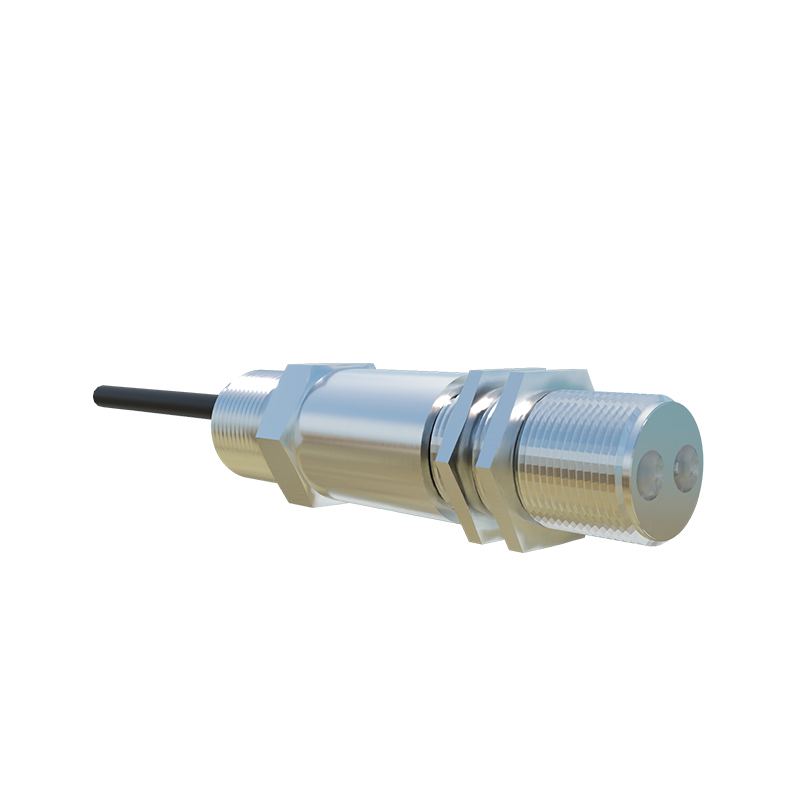
The detection of black and white lines relies on the contrast in reflectivity between these colors. White surfaces reflect most incident light, while black surfaces absorb it, resulting in minimal reflection. Photoelectric sensors equipped with this capability use a modulated light beam directed at the target surface. A receiver within the sensor measures the intensity of the reflected light. When the beam hits a white line, the high reflectivity produces a strong signal, triggering the sensor's output. Conversely, on a black line, the low reflectivity leads to a weak signal, causing the sensor to switch states accordingly. Advanced sensors incorporate adjustable sensitivity thresholds to account for varying environmental conditions, such as ambient light or surface textures, ensuring consistent performance. This principle is fundamental in applications like line-following robots, conveyor belt tracking, and printing alignment systems.
Types of Photoelectric Sensors for Line Detection
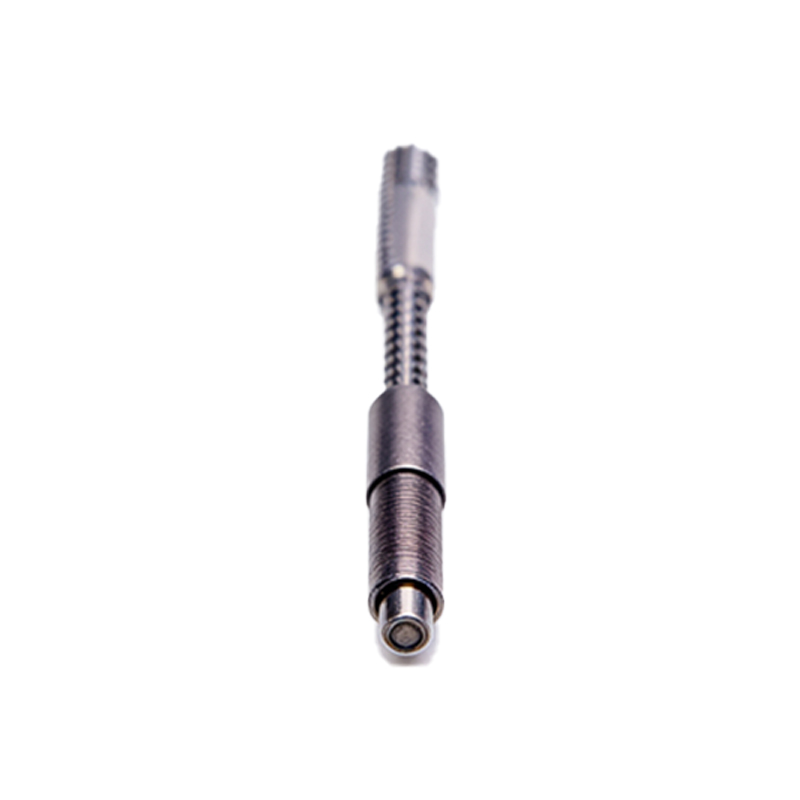
Several photoelectric sensor types are optimized for black and white line detection, each with distinct advantages. Diffuse reflective sensors are common, where the emitter and receiver are housed in a single unit, detecting light reflected directly from the surface. These are cost-effective and suitable for short-range applications but may struggle with low-contrast environments. Retro-reflective sensors use a reflector to bounce light back, offering longer detection ranges and higher accuracy for precise line tracking. Through-beam sensors, with separate emitter and receiver units, provide the most reliable detection by measuring light interruption, ideal for high-speed or dirty industrial environments. Color sensors, which analyze specific wavelengths, can differentiate between multiple colors beyond black and white, adding versatility in complex automation tasks. Selecting the right type depends on factors like distance, speed, and environmental interference.
Key Challenges and Solutions
Despite their effectiveness, photoelectric sensors face challenges in black and white line detection. Ambient light interference, such as from sunlight or factory lamps, can cause false triggers by overwhelming the sensor's receiver. To mitigate this, sensors often use modulated infrared light with filters that block unwanted frequencies. Surface variations, like glossiness or dirt accumulation, alter reflectivity and impact accuracy. Regular maintenance and sensor calibration, along with using sensors with dynamic threshold adjustment, help maintain reliability. Speed limitations arise in high-velocity applications, where rapid line changes may outpace sensor response times. High-frequency sensors with fast switching capabilities address this issue. Additionally, color fading or wear on lines over time can reduce contrast; employing durable materials and periodic inspections ensures long-term functionality.
Industrial Applications and Case Studies
Black and white line detection with photoelectric sensors is integral to numerous industrial processes. In automated guided vehicles (AGVs), sensors guide movement along predefined paths marked by lines on floors, enhancing logistics efficiency in warehouses. Printing machines use these sensors to align paper or materials, preventing misprints and reducing waste. Packaging lines rely on them to position labels or products accurately on conveyor belts, improving throughput and quality control. A case study in automotive manufacturing involves using retro-reflective sensors to detect black alignment marks on white car bodies during assembly, ensuring precise component placement. Another example is in textile production, where sensors monitor patterned fabrics for defects by tracking contrast lines. These applications demonstrate how this technology drives automation, reduces human error, and boosts productivity.
Future Trends and Innovations
The future of photoelectric sensors for black and white line detection is shaped by advancements in smart technology and integration. IoT-enabled sensors are emerging, allowing real-time data monitoring and remote adjustments via cloud platforms, predictive maintenance, and enhanced system diagnostics. Miniaturization trends lead to smaller, more versatile sensors that fit into compact machinery without sacrificing performance. Enhanced algorithms using artificial intelligence improve detection accuracy by learning from environmental patterns and adapting to changes autonomously. Additionally, the development of multi-spectral sensors capable of detecting a broader range of colors and materials expands application scopes. As industries move toward Industry 4.0, these innovations will foster more adaptive, efficient, and interconnected automation systems, solidifying the role of photoelectric sensors in modern engineering.