Understanding Proximity Sensors in Modern Energy Systems
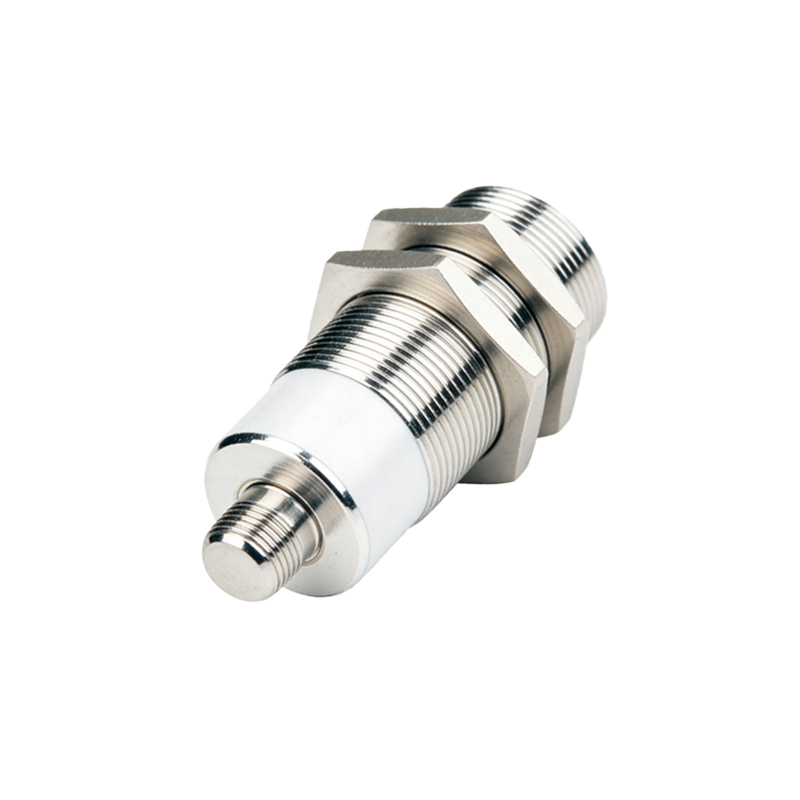
In the rapidly evolving landscape of the new energy industry, precision, reliability, and efficiency are non-negotiable. Proximity sensors, the silent sentinels of automation, play a pivotal role in this transformation. These non-contact devices detect the presence or absence of objects, enabling critical functions in applications ranging from wind turbine pitch control and solar panel tracking to battery management systems and electric vehicle charging infrastructure. Their ability to operate in harsh environments with minimal maintenance makes them indispensable. As the sector demands higher levels of automation and smarter control, the specifications for these sensors—including their durability, accuracy, and energy consumption—become increasingly stringent. The transition from traditional energy sources to renewables and electrification hinges on such granular technological advancements, where every component must perform flawlessly to ensure system-wide optimization and safety.
The Strategic Value of Specialized Distribution Partners
This is where the role of a specialized proximity sensor distributor becomes critical. A distributor is far more than a mere intermediary in the supply chain. For engineering teams in the new energy sector, a proficient distributor acts as a vital technical partner and a strategic extension of their procurement and R&D departments. They provide access to a curated portfolio of sensors from leading manufacturers that are specifically vetted for high-vibration, extreme-temperature, and corrosive environments common in renewable energy installations. Beyond product availability, their value lies in deep technical expertise. They assist in sensor selection, ensuring the chosen model meets the exact electromagnetic compatibility, sensing range, and output signal requirements of complex new energy applications. This partnership mitigates integration risks, accelerates time-to-market for new projects, and helps avoid costly operational failures down the line.
Key Services Offered by Premier Agents
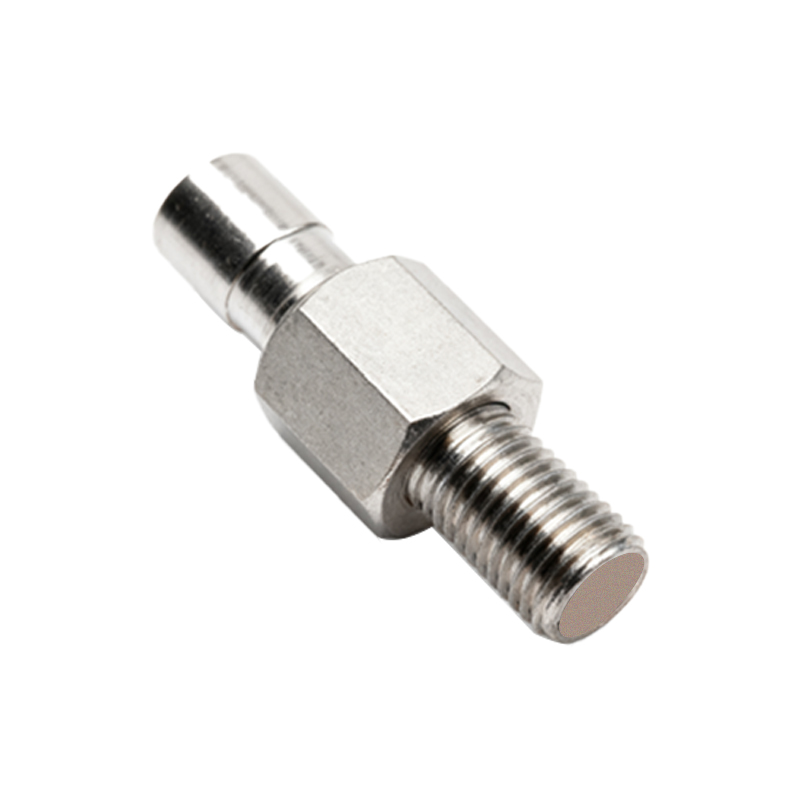
Top-tier proximity sensor distributors distinguish themselves through a comprehensive suite of value-added services. First and foremost is application engineering support. Engineers can consult with distributor specialists to solve unique sensing challenges, such as detecting composite materials in turbine blades or ensuring precise positioning in automated battery module assembly. Secondly, they offer robust inventory management and supply chain solutions, including vendor-managed inventory (VMI) and just-in-time (JIT) delivery, which are crucial for maintaining production continuity in capital-intensive new energy projects. Furthermore, they provide essential logistical support, handling customs clearance and international shipping for global projects. Many also offer customization services, working with manufacturers to modify standard sensor housings or connectors to withstand specific environmental stresses, thereby delivering a tailor-made solution rather than an off-the-shelf compromise.
Navigating Certification and Compliance Challenges
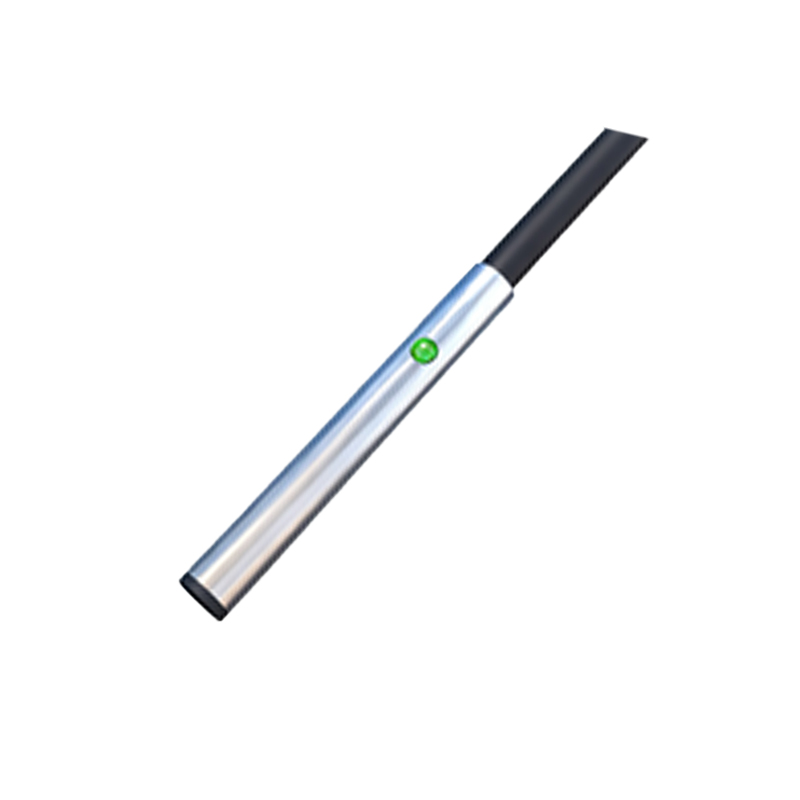
The new energy industry is governed by a complex web of international standards and certifications. Proximity sensors used in these applications often require specific approvals such as ATEX/IECEx for hazardous areas, UL certifications for North America, or CE marking for Europe. A knowledgeable distributor possesses in-depth understanding of these regulatory landscapes. They guide customers through the maze of compliance, ensuring the selected sensors carry the necessary certifications for the target market and application. This expertise is invaluable, as non-compliance can lead to project delays, legal liabilities, and safety hazards. By acting as a compliance gatekeeper, the distributor safeguards the project's integrity and helps engineering teams navigate global market entry with confidence, ensuring all components meet the highest safety and performance benchmarks.
The Future Outlook and Evolving Partnership Models
As the new energy sector advances towards greater digitalization and the Industrial Internet of Things (IIoT), the role of the sensor distributor is evolving. The demand is shifting towards smart sensors with integrated diagnostics, IO-Link communication, and predictive maintenance capabilities. Forward-thinking distributors are now providing not just the physical hardware but also the connectivity solutions and data analytics platforms that unlock the value of sensor data. They are becoming enablers of Industry 4.0 within the energy transition, helping clients build smarter, more connected, and more efficient systems. The future partnership will be deeply collaborative, focusing on co-innovation to develop next-generation sensing solutions for emerging challenges like green hydrogen production and grid-scale energy storage, solidifying the distributor's position as an essential catalyst for sustainable technological progress.