What Are Proximity Switch Sensors?
Proximity switch sensors are non-contact electronic devices designed to detect the presence or absence of objects within a specific range without physical contact. These sensors operate based on electromagnetic fields, capacitive changes, or ultrasonic waves, depending on the technology employed. Commonly used in industrial automation, they provide reliable detection of metallic and non-metallic objects, ensuring precise control in manufacturing processes. Their ability to function in harsh environments—such as those with dust, moisture, or extreme temperatures—makes them indispensable in sectors like automotive, packaging, and machinery. By eliminating mechanical wear, proximity sensors enhance system longevity and reduce maintenance costs, offering a robust solution for modern industrial applications.
Key Technical Features
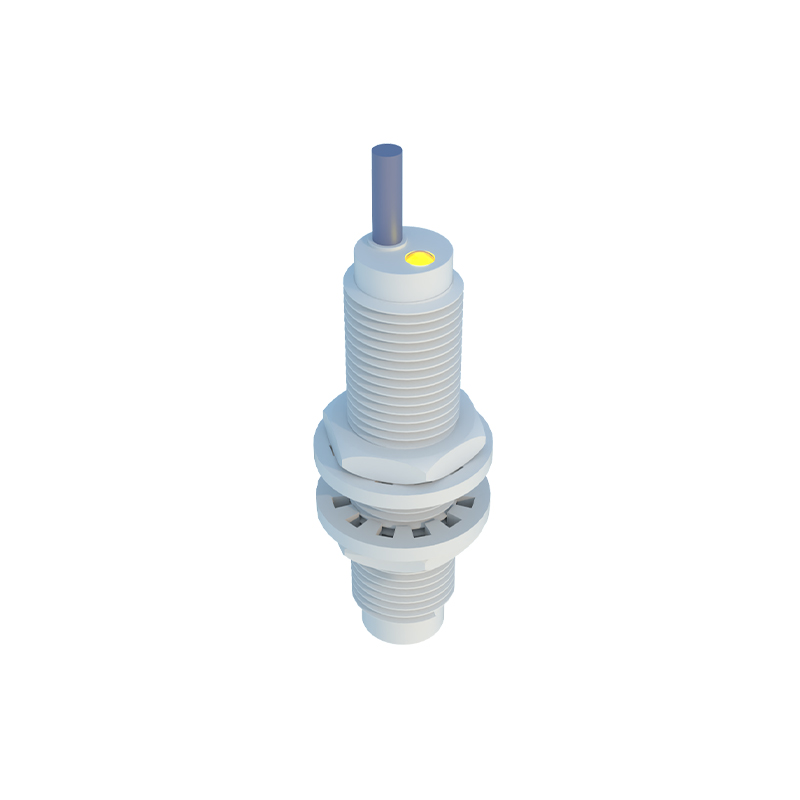
Proximity sensors boast several standout features that contribute to their widespread adoption. First, they offer high switching frequency, enabling rapid detection and response times, which is critical for high-speed production lines. Second, their sensing range varies from a few millimeters to several centimeters, allowing flexibility in installation and object detection. Third, most models are immune to environmental factors like oil, water, or vibrations, ensuring consistent performance. Additionally, these sensors often come with built-in protection against short-circuits and overloads, enhancing safety. The output types—including NPN, PNP, and analog signals—provide compatibility with various control systems, from PLCs to microcontrollers, facilitating seamless integration into existing setups.
Types of Proximity Sensors
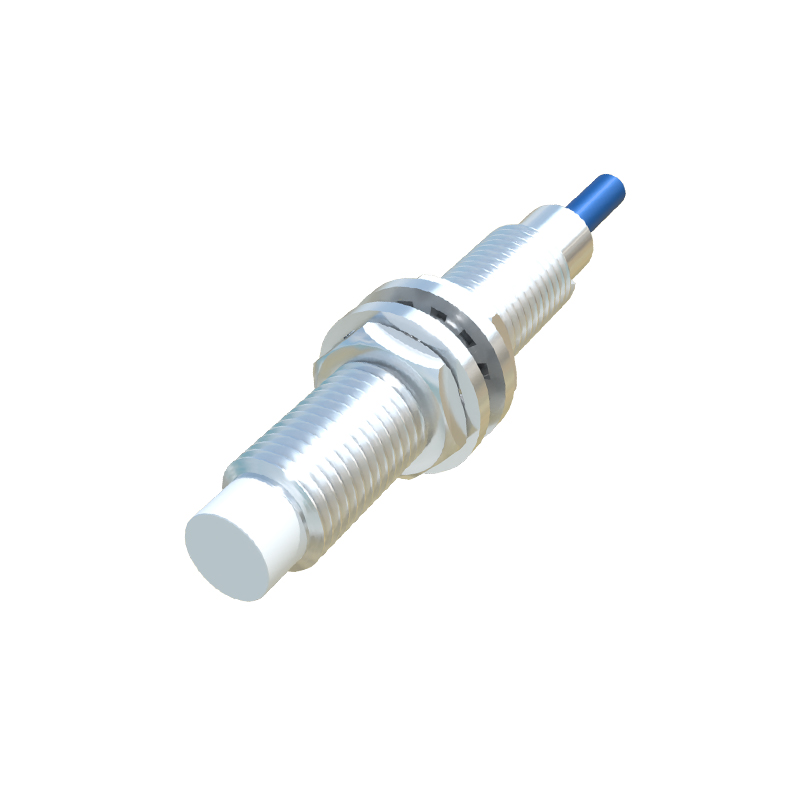
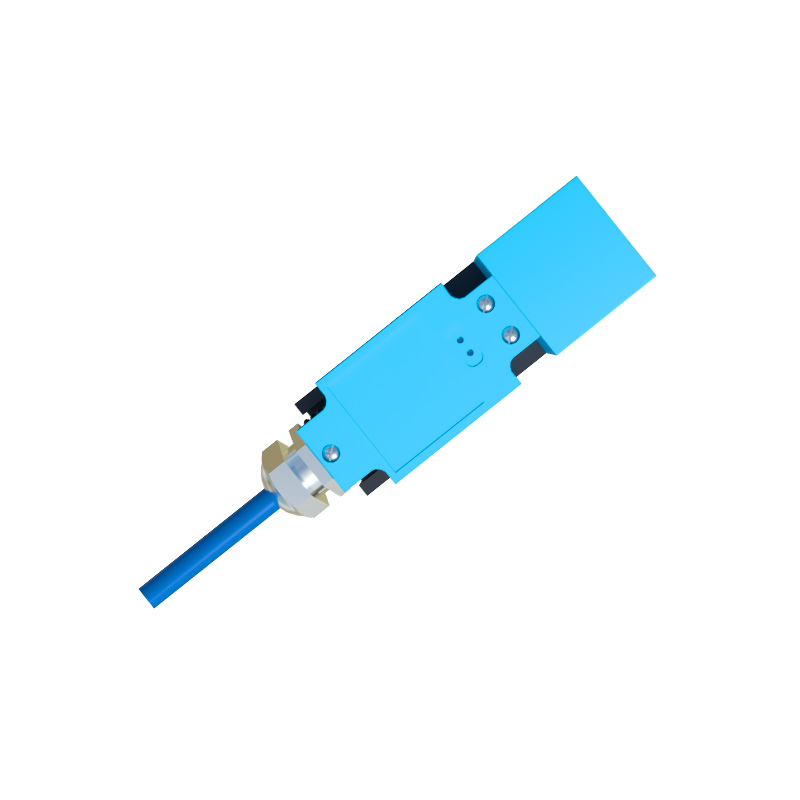
There are three primary types of proximity sensors, each suited for different applications. Inductive proximity sensors detect metallic objects by generating an electromagnetic field; they are ideal for metal detection in machinery and automotive assembly. Capacitive proximity sensors can sense both metallic and non-metallic materials, such as plastics or liquids, by measuring changes in capacitance, making them useful in food processing or chemical industries. Ultrasonic proximity sensors use sound waves to detect objects, regardless of material, and are effective in distance measurement or level sensing in tanks. Each type offers unique advantages, allowing engineers to select the best fit based on object composition, environmental conditions, and precision requirements.
Industrial Applications and Benefits
In industrial settings, proximity sensors play a vital role in automation and safety. They are commonly used for position sensing in conveyor systems, object counting in packaging lines, and part detection in robotic arms. For instance, in automotive manufacturing, inductive sensors ensure precise alignment of components, while capacitive sensors monitor fluid levels in reservoirs. The benefits include improved efficiency through faster processing, reduced downtime due to non-contact operation, and enhanced accuracy in repetitive tasks. Moreover, their durability in challenging conditions minimizes replacement needs, leading to cost savings over time. By enabling smarter automation, these sensors support Industry 4.0 initiatives, contributing to data-driven decision-making and optimized production workflows.
Selection and Installation Tips
Choosing the right proximity sensor requires careful consideration of factors like sensing distance, object material, and environmental constraints. Engineers should assess the operating temperature range, IP rating for dust and water resistance, and output configuration to match the control system. During installation, proper mounting and alignment are crucial to avoid false triggers; sensors should be positioned away from metal interference or electrical noise sources. Regular calibration and testing ensure optimal performance, and following manufacturer guidelines extends sensor lifespan. For complex applications, consulting technical datasheets or experts can help in selecting sensors with features like temperature compensation or adjustable sensitivity, ensuring reliable operation in specific industrial scenarios.
Future Trends and Innovations
The future of proximity sensors is shaped by advancements in miniaturization, connectivity, and intelligence. Emerging trends include the integration of IoT capabilities, allowing sensors to transmit real-time data to cloud platforms for predictive maintenance and analytics. Smart sensors with self-diagnostic features can alert operators to potential failures, reducing unplanned downtime. Additionally, developments in materials and design are leading to more compact, energy-efficient models with extended sensing ranges. As industries embrace automation and sustainability, proximity sensors are evolving to support greener practices by optimizing resource use and reducing waste. These innovations promise to enhance their role in smart factories, driving efficiency and innovation across global supply chains.