Introduction to German Photoelectric Sensor Excellence
Germany's reputation for precision engineering and manufacturing quality is unparalleled, especially in the field of industrial automation. German photoelectric sensors are renowned worldwide for their reliability, accuracy, and robust construction. These devices are fundamental components in countless applications, from packaging and material handling to automotive assembly and logistics. They operate by emitting a light beam—visible red, infrared, or laser—and detecting changes in the received light signal to sense the presence, absence, or distance of an object. The German approach emphasizes not just functionality but also longevity and performance in harsh industrial environments, making them a preferred choice for engineers seeking to minimize downtime and maintenance costs. This article explores leading German brands and their flagship sensor models, providing a guide for selection based on specific application needs.
Key Selection Criteria for Photoelectric Sensors
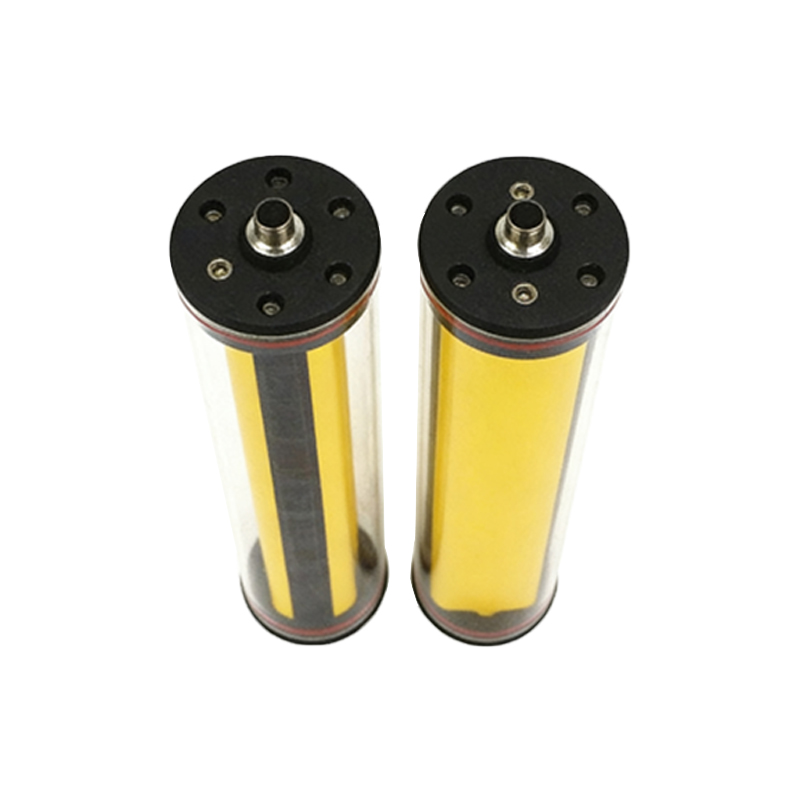
Before delving into specific recommendations, it is crucial to understand the parameters that define a sensor's suitability. The operating range is primary; it determines the maximum distance at which the sensor can reliably detect an object. The type of sensing mode—diffuse (proximity), retro-reflective, or through-beam—offers different advantages in terms of range and environmental immunity. Beam characteristics, such as a visible red light spot for easy alignment or a precise laser beam for small object detection, are vital. Environmental factors like ambient light, dust, fog, or temperature extremes must be considered, necessitating features like high IP ratings for ingress protection and robust housing materials (often stainless steel or high-grade plastics). Finally, output configuration (PNP/NPN, analog, IO-Link) and electrical connectivity must align with the existing control system architecture.
Leading German Brands and Their Technological Edge
Several German manufacturers dominate the photoelectric sensor market, each with a distinct technological focus. Siemens, a titan in industrial automation, offers sensors deeply integrated into its Totally Integrated Automation (TIA) portfolio, ensuring seamless communication and diagnostics via PROFINET or IO-Link. SICK AG is another global leader, celebrated for its innovation in sensor intelligence and safety-rated devices. Their sensors often feature advanced background suppression technology and exceptional range. Pepperl+Fuchs is synonymous with intrinsic safety and explosion-proof sensors for hazardous areas, while also providing high-performance standard models. Balluff, known for its RFID and connectivity solutions, produces photoelectric sensors with exceptional form factors and smart sensor capabilities. Lastly, Leuze, specializing in logistics and packaging, offers sensors with unique optical designs for challenging detection tasks.
Top Recommended Models for Standard Applications
For general-purpose object detection in manufacturing, several models stand out. The SICK WTT series diffuse sensor is a workhorse, known for its rugged metal housing, long range (up to 2 meters), and reliable performance despite dirt or varying surface colors. Its precise background suppression models are excellent for ignoring conveyor belts. The Pepperl+Fuchs ML100 series offers exceptional value and versatility in a compact plastic housing, with ranges suitable for most proximity tasks and a variety of output options. For through-beam applications requiring long range and high immunity to environmental interference, the Balluff BOS series is highly recommended, with ranges extending beyond 50 meters and a robust, self-contained design that simplifies installation.
Advanced Solutions for Demanding Environments
Harsh industrial settings demand specialized sensors. For washdown areas in food & beverage or pharmaceutical industries, the Siemens SIMATIC S7 series photoelectric sensors with stainless steel housings (IP69K rating) are ideal. They resist high-pressure, high-temperature cleaning and corrosive chemicals. In environments with heavy dust or mist, sensors with polarized filters, like certain Leuze models, are essential to prevent false triggers from reflective particles. For applications requiring precise positioning or detection of minute objects, laser sensors are necessary. The SICK OD series of laser distance sensors provides micrometer-level accuracy and is perfect for measuring small gaps or controlling robotic pick-and-place operations. For explosive atmospheres (Zone 1/21), Pepperl+Fuchs offers a comprehensive range of intrinsically safe and explosion-proof photoelectric sensors certified to ATEX and IECEx standards.
The Importance of Connectivity and Industry 4.0
Modern photoelectric sensors are no longer simple switches; they are data points in a connected factory. IO-Link communication has become a standard feature in mid-to-high-end German sensors. This technology allows for remote parameter setting, continuous condition monitoring (e.g., lens contamination levels), and detailed diagnostic data transmission to a PLC or cloud system. Brands like Balluff and SICK are at the forefront, offering sensors that seamlessly integrate into digital twin concepts and predictive maintenance strategies. Selecting a sensor with IO-Link capability future-proofs an installation, enabling easier troubleshooting, reduced machine setup times, and deeper process insights, which are core tenets of the Industry 4.0 revolution driven by German engineering philosophy.
Installation and Maintenance Best Practices
Optimal performance hinges on correct installation and care. Always ensure the sensor is securely mounted to avoid vibration-induced misalignment. For through-beam sensors, precise alignment of the emitter and receiver is critical; using a laser model or an alignment tool simplifies this process. Protect the lens from direct accumulation of dust or debris, and consider using an air blow-off accessory in very dirty environments. Regularly check the lens for cleanliness and clean it only with a soft, lint-free cloth. Leverage the sensor's diagnostic LEDs and, if available, IO-Link data streams to monitor performance trends. Adhering to the manufacturer's specified environmental limits for temperature, humidity, and shock/vibration will guarantee the sensor achieves its stated lifespan and reliability.
Conclusion and Final Guidance
German photoelectric sensors represent the gold standard in sensing technology, blending mechanical robustness with electronic sophistication. The choice between Siemens, SICK, Pepperl+Fuchs, Balluff, or Leuze often depends on the specific ecosystem (e.g., predominant PLC brand) and application severity. For standard tasks, the SICK WTT or Pepperl+Fuchs ML100 are superb starting points. For harsh conditions, prioritize IP69K stainless steel models or intrinsically safe designs. For smart factory integration, insist on IO-Link connectivity. Ultimately, investing in a high-quality German photoelectric sensor translates to enhanced process reliability, reduced total cost of ownership, and a solid foundation for automated system performance. Always consult detailed datasheets and, when possible, request sample units for testing in the actual application environment.