Circular proximity sensors are essential components in modern industrial automation, offering non-contact detection capabilities for various applications. The pricing of these sensors varies significantly based on multiple technical and commercial factors, making it crucial for buyers to understand what influences cost before making purchasing decisions.
One primary determinant of price is the sensing technology employed. Inductive proximity sensors, commonly used for metal detection, are generally more affordable than capacitive sensors, which can detect both metallic and non-metallic materials. Within these categories, prices fluctuate based on detection range, with longer-range sensors commanding higher prices. For instance, a standard inductive sensor with a 5mm range may cost considerably less than a specialized model with a 20mm range. The sensor's diameter also impacts cost; compact M8 or M12 models are often priced differently than larger M18 or M30 housings.
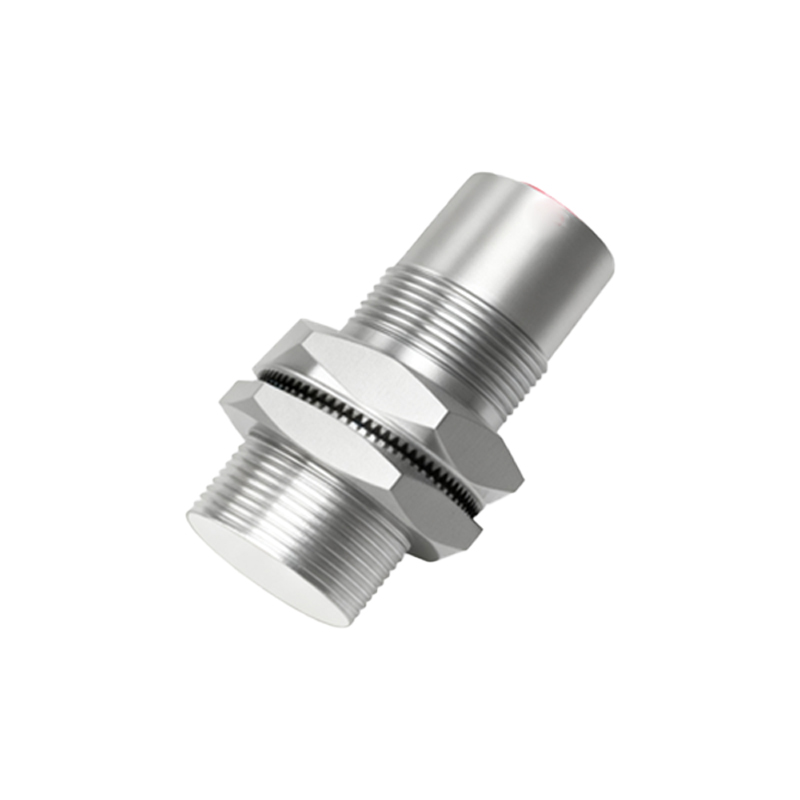
Build quality and housing material contribute substantially to the price structure. Sensors with stainless steel housings, designed for harsh environments in food processing or chemical plants, are priced higher than those with nickel-plated brass or PBT plastic housings for general industrial use. The ingress protection (IP) rating is another critical factor. A sensor with an IP67 rating, offering protection against dust and temporary immersion, will be more expensive than an IP65-rated model. For extreme conditions requiring IP68 or IP69K ratings, prices increase accordingly to cover enhanced sealing and robust construction.
Electrical characteristics and output configurations influence pricing. Sensors with analog outputs (4-20mA or 0-10V) typically cost more than basic models with discrete PNP or NPN outputs. The inclusion of advanced features like short-circuit protection, reverse polarity protection, and diagnostics also adds to the cost. Furthermore, sensors with IO-Link capability, enabling digital communication and parameterization, represent a premium segment due to the added intelligence and connectivity they provide.
Brand reputation and supply chain factors play a significant role in market pricing. Established manufacturers with global service networks and extended warranties often price their products higher, reflecting perceived reliability and support. Conversely, generic or lesser-known brands may offer lower prices but with potential compromises in consistency or longevity. Regional availability, import duties, and distributor markups can cause identical sensors to have different price points across various markets.
Application-specific requirements can lead to customizations that affect cost. Sensors designed for high-temperature environments, weld-field immunity (resistance to electromagnetic interference from welding equipment), or vacuum applications require special materials and designs, increasing their price. Similarly, sensors with specific approvals, such as ATEX for explosive atmospheres or FDA-compliant materials for pharmaceutical use, involve additional testing and certification costs passed on to buyers.
When evaluating circular proximity sensor prices, it is vital to consider the total cost of ownership rather than just the initial purchase price. Factors like mean time between failures (MTBF), ease of installation, and compatibility with existing systems contribute to long-term value. A slightly higher-priced sensor from a reputable brand might offer better durability and reduce downtime, leading to lower operational costs over its lifespan.
Market trends also influence pricing dynamics. The growing adoption of Industry 4.0 and smart manufacturing is increasing demand for sensors with digital interfaces and diagnostics, potentially affecting the price premium for these features. Simultaneously, economies of scale in manufacturing and increased competition among suppliers can exert downward pressure on prices for standard models.
In summary, the price of a circular proximity sensor is not arbitrary but reflects a combination of technical specifications, build quality, features, brand value, and application needs. By carefully assessing requirements against these factors, buyers can make informed decisions that balance performance, reliability, and cost-effectiveness for their specific operational contexts.