Introduction to Proximity Sensors
Proximity sensors in smartphones are essential components that detect the presence of nearby objects without physical contact. These sensors utilize infrared (IR) technology or capacitive sensing to measure distance, typically operating within a range of a few centimeters. When an object, such as a user's face during a phone call, approaches the sensor, it triggers specific actions to enhance usability and conserve energy. The integration of proximity sensors has become standard in modern mobile devices, contributing to seamless user experiences by enabling features like automatic screen dimming and touch input deactivation. This technology not only improves convenience but also plays a critical role in extending battery life by reducing unnecessary display activity.
How Proximity Sensors Work
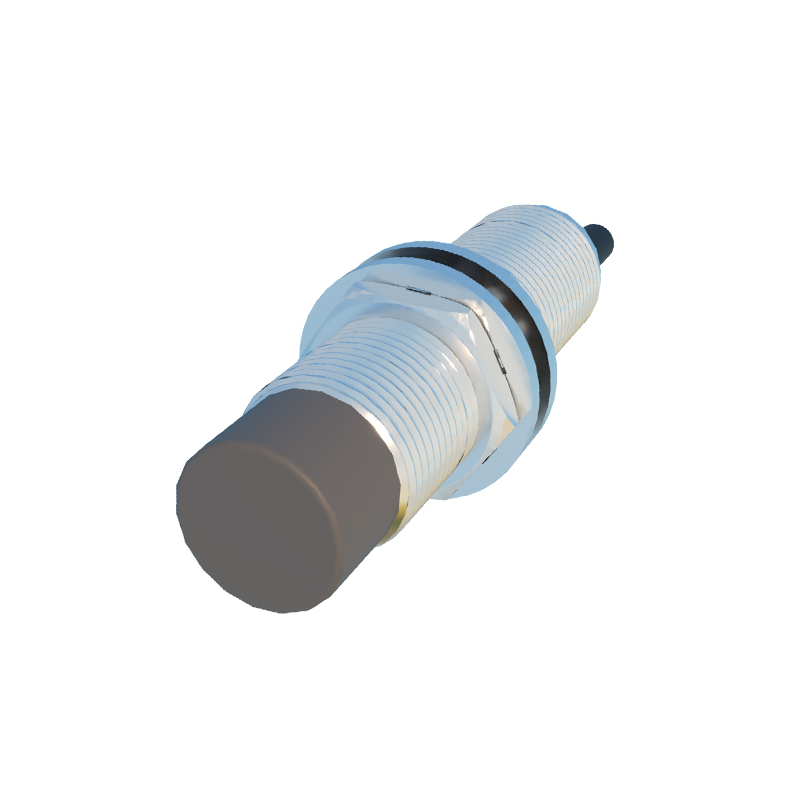
The functionality of proximity sensors relies on emitting and receiving signals to determine object proximity. In IR-based sensors, an infrared LED emits light that reflects off nearby objects and is captured by a photodetector. The sensor calculates distance based on the intensity of the reflected light, allowing it to detect when an object is close. Capacitive sensors, on the other hand, measure changes in electrical fields caused by conductive objects like human skin. Once the sensor identifies an object within its detection threshold, it sends a signal to the device's processor to initiate predefined responses. This process occurs rapidly and continuously, ensuring real-time adjustments during user interactions.
Key Functions in Smartphone Applications
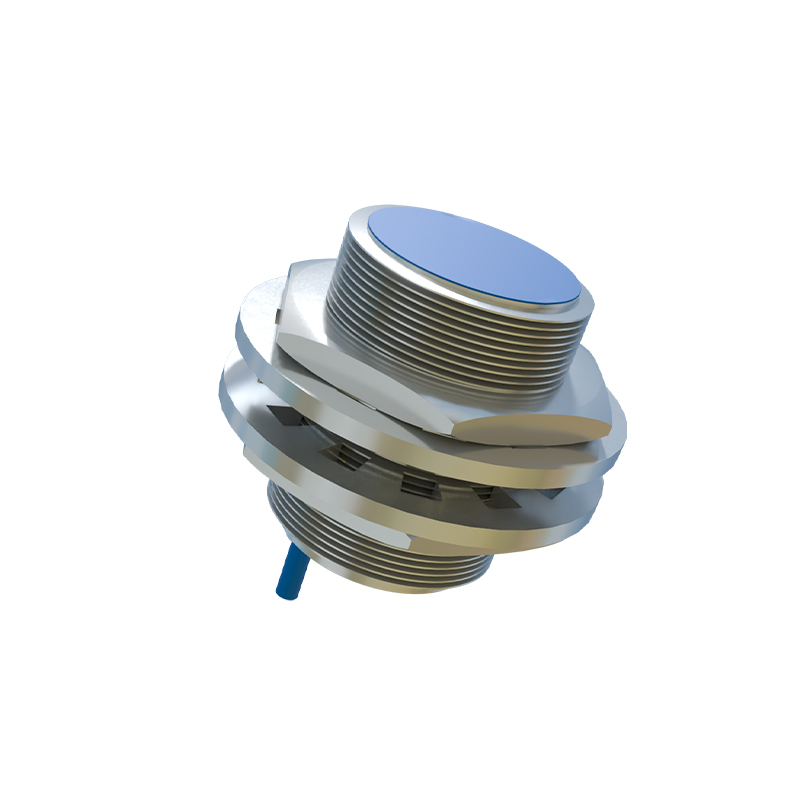
Proximity sensors serve multiple purposes in smartphones, primarily focused on optimizing interface management and power efficiency. During voice calls, the sensor detects when the phone is held against the ear and automatically turns off the display to prevent accidental touch inputs, such as muting or ending the call inadvertently. Additionally, it helps conserve battery by dimming the screen when not in use, such as when the device is placed in a pocket or bag. In gaming and multimedia applications, proximity sensors can enable gesture controls, allowing users to interact with content without touching the screen. These functions collectively enhance device reliability and user satisfaction by minimizing errors and improving accessibility.
Technical Specifications and Variants
Modern proximity sensors are designed with advanced features to meet diverse smartphone requirements. Common specifications include detection ranges from 1 to 5 centimeters, response times under 100 milliseconds, and low power consumption to align with energy-efficient device designs. Variants include ambient light sensors combined with proximity detection, which adjust screen brightness based on environmental conditions. Some high-end models incorporate time-of-flight (ToF) sensors for more accurate distance measurement, supporting augmented reality (AR) applications. Manufacturers often integrate these sensors into compact modules near the front camera or earpiece, ensuring minimal impact on device aesthetics while maintaining high performance.
Benefits for User Experience and Device Longevity
The implementation of proximity sensors significantly enhances smartphone usability by providing intuitive, hands-free interactions. Users benefit from reduced screen glare during calls, fewer unintended actions, and extended battery life due to optimized display usage. From a durability perspective, these sensors help prevent screen damage by automatically locking the device when stored, reducing wear from constant activation. Moreover, they support accessibility features for individuals with disabilities, such as voice-assisted controls triggered by proximity detection. As smartphone technology evolves, proximity sensors continue to contribute to smarter, more responsive devices that adapt to user behavior seamlessly.
Future Trends and Innovations
Looking ahead, proximity sensor technology is expected to advance with the integration of artificial intelligence (AI) and machine learning for predictive functionality. Future sensors may offer extended detection ranges or multi-object recognition, enabling new applications in security and interactive interfaces. Innovations like ultrasonic proximity sensing could provide more precise measurements in varied environmental conditions, while miniaturization efforts will allow for sleeker device designs. As 5G and IoT ecosystems expand, proximity sensors may play a role in enhancing connectivity and context-aware features in smartphones. These developments promise to further elevate the role of proximity sensors in creating efficient, user-centric mobile experiences.