Understanding Cylindrical Proximity Sensors
Cylindrical proximity sensors are fundamental components in industrial automation, designed to detect the presence or absence of objects without physical contact. Characterized by their robust, tubular metal housing, these sensors are prized for their durability, precise sensing capabilities, and ease of installation in tight spaces. They operate on various principles, including inductive, capacitive, and magnetic technologies, with inductive types being the most common for detecting metallic objects. The cylindrical form factor allows for standardized mounting via threaded barrels, making them a versatile choice across diverse applications such as machine tooling, material handling, and assembly line automation. Selecting the right supplier is critical, as it impacts sensor performance, system reliability, and long-term operational costs.
Key Criteria for Evaluating Suppliers
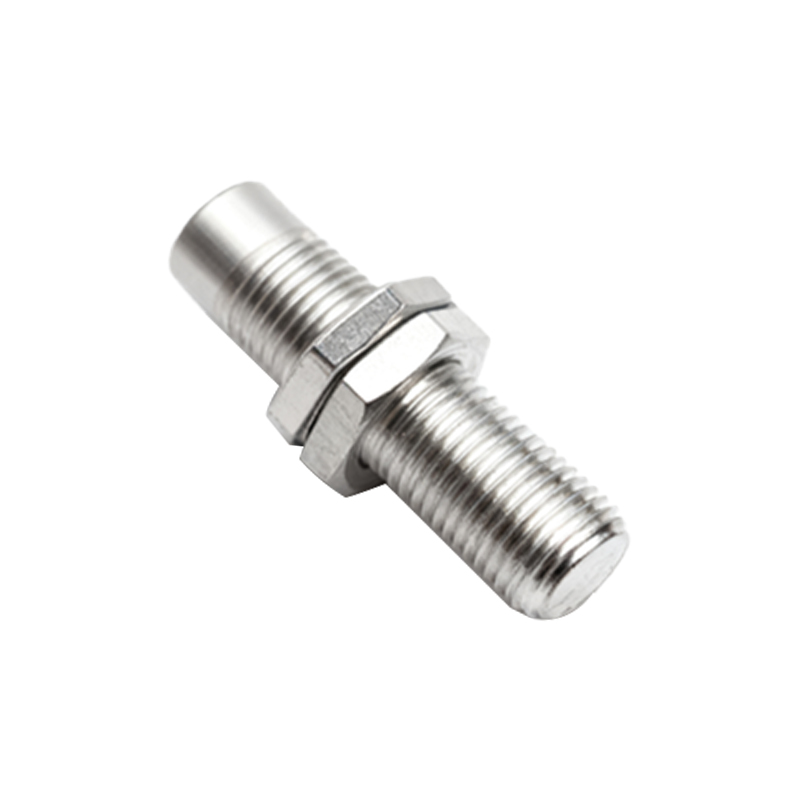
When sourcing cylindrical proximity sensors, several factors must guide supplier selection. Product quality and reliability are paramount; sensors must withstand harsh industrial environments involving dust, moisture, and temperature fluctuations. Technical specifications like sensing range, response time, and output type (e.g., NPN/PNP) should align with application needs. Suppliers should offer a broad portfolio, including various sizes (e.g., M8, M12, M18, M30 threads), housing materials (stainless steel or nickel-plated brass), and connection options. Additionally, consider certifications (e.g., IP67, CE, UL) that ensure safety and compliance. Beyond hardware, evaluate the supplier's technical support, customization capabilities, lead times, and global distribution network to ensure seamless integration and maintenance.
Leading Global Suppliers and Their Offerings
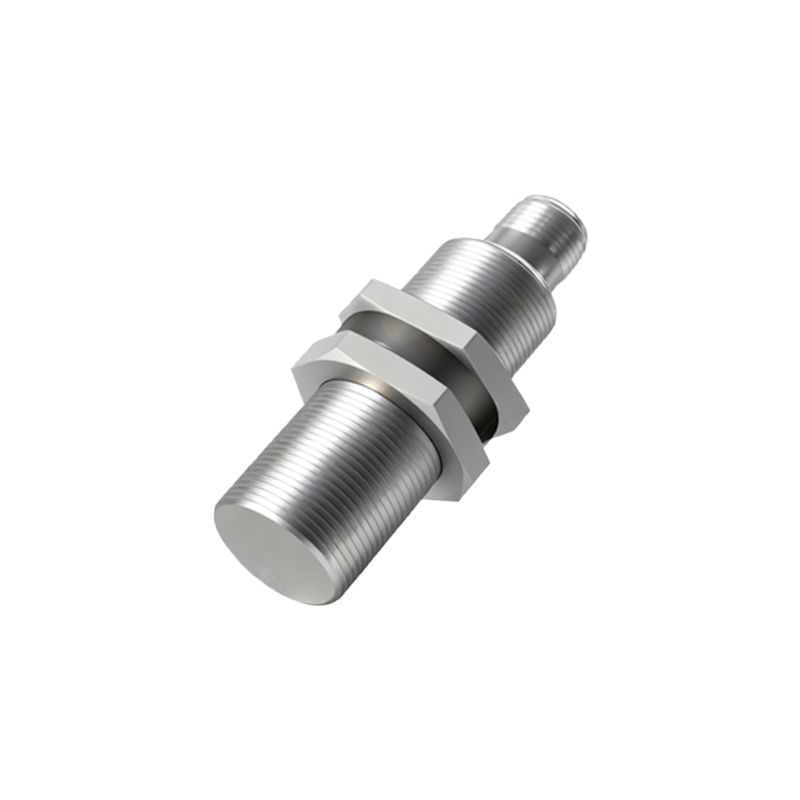
The market for cylindrical proximity sensors is dominated by established industrial automation giants. Companies like Siemens, Omron, and Schneider Electric provide extensive lines of high-precision inductive and capacitive sensors known for robustness and innovation. Siemens, for instance, offers the SIMATIC series with advanced diagnostics, while Omron's E2E cylindrical sensors are renowned for their stability in challenging conditions. Other notable players include Pepperl+Fuchs, which specializes in explosion-proof variants for hazardous areas, and Balluff, recognized for its high-performance sensors with IO-Link communication for Industry 4.0 integration. Regional suppliers in North America and Asia also offer competitive options, often focusing on cost-effectiveness without compromising core functionality.
Innovations and Technological Trends
Suppliers are continuously advancing cylindrical proximity sensor technology to meet evolving industrial demands. A significant trend is the integration of smart features, such as IO-Link connectivity, which enables real-time data exchange, remote configuration, and predictive maintenance. This transforms simple sensors into intelligent nodes within IoT ecosystems. Enhanced sensing capabilities, like increased switching frequencies and extended ranges, improve system efficiency. Furthermore, manufacturers are developing sensors with improved resistance to electromagnetic interference (EMI) and more compact designs for space-constrained applications. Environmentally conscious designs, using recyclable materials and energy-efficient operation, are also becoming a focus, aligning with sustainable manufacturing practices.
Best Practices for Procurement and Integration
To optimize procurement, start by clearly defining application requirements, including target material, required sensing distance, environmental conditions, and electrical interfaces. Engage suppliers early for technical consultations; many offer sample testing or simulation tools to validate sensor suitability. Consider total cost of ownership, factoring in not just unit price but also installation, maintenance, and potential downtime costs. Standardizing sensor types across facilities can simplify inventory management and training. During integration, ensure proper mounting, alignment, and wiring according to supplier guidelines to prevent false triggers or damage. Regularly review supplier performance and stay updated on new product releases to leverage technological improvements for operational gains.
Future Outlook and Supplier Selection Strategy
The future of cylindrical proximity sensors is intertwined with the growth of automation and Industry 4.0. Suppliers that invest in R&D for smarter, more connected, and energy-efficient sensors will lead the market. As industries like automotive, packaging, and logistics increasingly adopt automated solutions, demand for reliable, high-performance sensors will rise. A strategic selection approach involves partnering with suppliers that demonstrate innovation, provide comprehensive support, and offer scalable solutions. Building long-term relationships with key suppliers can ensure access to the latest technologies, favorable terms, and reliable supply chains, ultimately enhancing system resilience and competitiveness in a dynamic industrial landscape.