Introduction to Hande Photoelectric Sensors
Hande photoelectric sensors represent a cornerstone in modern industrial automation, offering unparalleled precision in detection and measurement tasks. These devices operate on the principle of using a light emitter, typically an LED or laser diode, and a receiver to sense changes in light intensity caused by the presence or absence of an object. Engineered for robustness, Hande sensors are designed to withstand harsh industrial environments, including extreme temperatures, dust, and moisture. Their versatility allows for deployment across diverse sectors such as manufacturing, packaging, material handling, and automotive assembly lines. By converting light signals into electrical outputs, they enable seamless integration with control systems, ensuring efficient and error-free operations. The fundamental technology behind these sensors has evolved to include advanced features like background suppression and polarized filters, enhancing their accuracy in challenging applications.
Key Technologies and Operating Principles
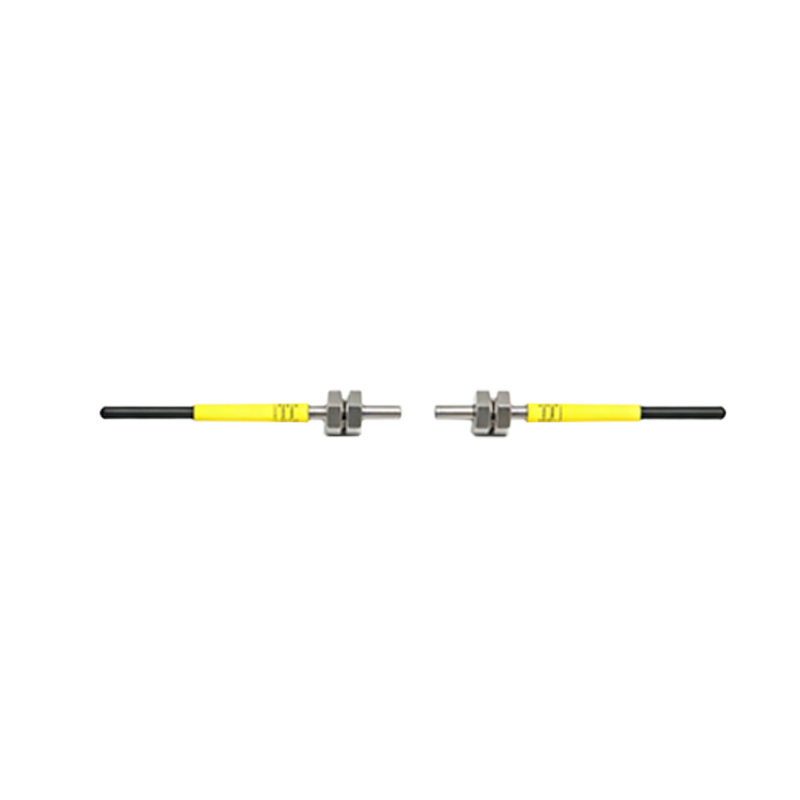
The core of Hande photoelectric sensors lies in their sophisticated operating modes: through-beam, retro-reflective, and diffuse reflective. Through-beam sensors consist of separate emitter and receiver units, providing long-range detection with high reliability, as the beam must be interrupted by an object. Retro-reflective models use a reflector to bounce light back to the receiver, making them ideal for medium-distance applications where alignment is critical. Diffuse reflective sensors, on the other hand, detect objects by measuring the light reflected directly from the target, offering flexibility in close-range scenarios. Hande incorporates cutting-edge components such as high-intensity LEDs for consistent performance and digital signal processing to filter out ambient light interference. Additionally, features like teach-in functionality allow for easy configuration, reducing setup time and minimizing human error in calibration processes.
Applications in Industrial Automation
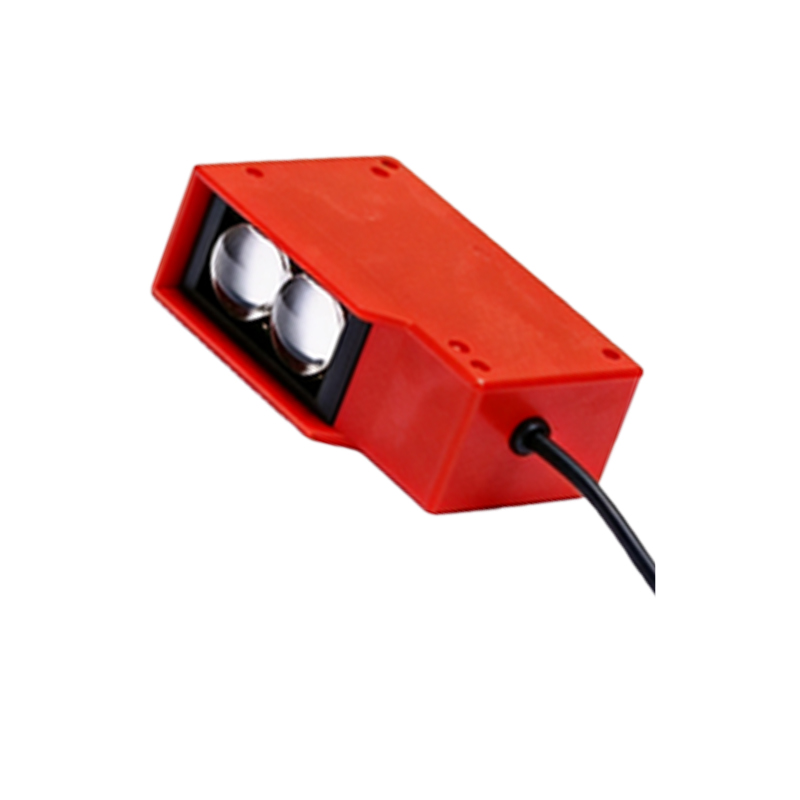
In industrial settings, Hande photoelectric sensors play a vital role in enhancing productivity and safety. They are commonly used for object detection on conveyor belts, where they trigger sorting mechanisms or count items with high speed and accuracy. In packaging lines, these sensors ensure precise positioning of labels and containers, preventing jams and waste. Automotive manufacturers rely on them for part verification during assembly, such as detecting the presence of bolts or verifying component alignment. Beyond traditional uses, Hande sensors are integral to automated guided vehicles (AGVs) for navigation and obstacle avoidance, leveraging their rapid response times. Their ability to operate in low-light or highly reflective environments makes them suitable for specialized tasks like monitoring liquid levels or detecting transparent materials, showcasing their adaptability across various industries.
Advantages Over Other Sensor Types
Compared to inductive or capacitive sensors, Hande photoelectric sensors offer distinct benefits, including non-contact operation and the ability to detect a wide range of materials, regardless of color or conductivity. This makes them superior for applications involving non-metallic objects, such as plastics, glass, or textiles. Their high switching frequency enables detection of fast-moving items, which is crucial in high-speed production lines. Hande models are also known for their durability, with IP67 or higher ratings ensuring resistance to water and dust ingress. Energy-efficient designs contribute to lower operational costs, while compact housings allow for installation in space-constrained areas. Furthermore, advanced versions with IO-Link connectivity support Industry 4.0 initiatives, enabling real-time data exchange and predictive maintenance, thus reducing downtime and improving overall system intelligence.
Selection and Installation Guidelines
Choosing the right Hande photoelectric sensor requires careful consideration of factors like sensing distance, object size, and environmental conditions. For long-range detection, through-beam sensors are preferred, while diffuse types suit shorter ranges with varying surface reflectivity. It is essential to account for ambient light sources, which may interfere with performance; opting for models with modulated light or background suppression can mitigate this issue. During installation, proper alignment is critical to avoid false triggers, and mounting brackets should be used to secure sensors against vibrations. Regular maintenance, such as cleaning lenses and checking connections, ensures longevity and reliability. Hande provides detailed datasheets and support tools, including configuration software, to assist engineers in optimizing sensor placement and settings for specific applications, ultimately maximizing efficiency and reducing operational risks.
Future Trends and Innovations
The future of Hande photoelectric sensors is shaped by trends toward miniaturization, enhanced connectivity, and smart functionality. Emerging technologies like time-of-flight (ToF) and laser-based sensing are enabling higher precision and longer ranges, expanding their use in robotics and logistics. Integration with IoT platforms allows for remote monitoring and analytics, facilitating proactive maintenance and energy management. Hande is also focusing on developing eco-friendly models with reduced power consumption and recyclable materials, aligning with global sustainability goals. As industries embrace automation and digital transformation, these sensors will continue to evolve, offering faster response times, improved accuracy, and greater interoperability with other smart devices, solidifying their role as indispensable components in the automated factories of tomorrow.