Introduction to Analog Proximity Sensors
Analog proximity sensors are critical devices in industrial automation, designed to detect the presence or absence of objects without physical contact. Unlike digital sensors that provide a simple on/off signal, analog sensors output a continuous signal proportional to the distance between the sensor and the target. This capability allows for precise measurement and control in various applications, from manufacturing lines to robotic systems. The working principle typically involves electromagnetic, capacitive, or ultrasonic technologies, where changes in the field or wave reflection are converted into analog voltage or current signals. These sensors are valued for their reliability, accuracy, and ability to operate in harsh environments, making them indispensable in modern industrial settings.
Key Technologies and Operating Principles
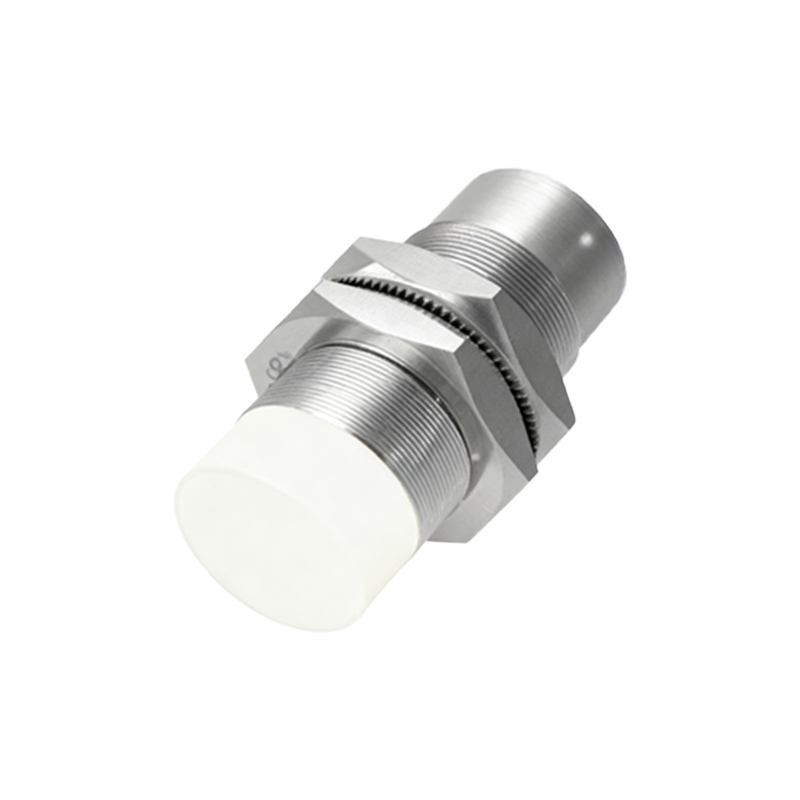
Analog proximity sensors utilize several technologies, each suited to specific applications. Inductive sensors are common for detecting metallic objects, using an electromagnetic field to generate eddy currents in the target, with the analog output varying based on distance. Capacitive sensors can detect both metallic and non-metallic materials by measuring changes in capacitance caused by the object's presence. Ultrasonic sensors emit sound waves and analyze the echo return time to determine distance, offering high precision for diverse materials. The analog output, often in the range of 0-10V or 4-20mA, provides a linear or non-linear relationship to distance, enabling fine-tuned monitoring. This flexibility allows engineers to integrate these sensors into complex control systems for real-time adjustments.
Applications in Industrial Automation
In industrial automation, analog proximity sensors play a vital role in enhancing efficiency and safety. They are used for position sensing in conveyor systems, where continuous feedback helps maintain optimal spacing between items. In robotics, these sensors assist in precise arm movement and object handling by providing distance data for adaptive control. Process industries rely on them for level monitoring in tanks or silos, ensuring materials are within desired ranges. Additionally, in quality control, analog sensors measure dimensions or detect variations in product thickness, contributing to consistent output. Their ability to function in extreme temperatures, dusty conditions, or wet environments makes them suitable for sectors like automotive, packaging, and pharmaceuticals.
Advantages Over Digital Sensors
Analog proximity sensors offer distinct advantages compared to their digital counterparts. The continuous output signal allows for granular data collection, enabling systems to detect subtle changes in distance or position that digital sensors might miss. This is crucial in applications requiring proportional control, such as speed regulation based on object proximity or tension control in winding machines. Analog sensors also reduce the need for additional processing units, as the signal can be directly fed into analog inputs of PLCs or controllers. Moreover, they support predictive maintenance by providing trend data, helping identify wear or misalignment before failures occur. While digital sensors are simpler for binary tasks, analog variants excel in dynamic environments where precision is paramount.
Installation and Calibration Best Practices
Proper installation and calibration are essential for maximizing the performance of analog proximity sensors. Mounting should consider factors like sensor orientation, target material, and environmental interferences to ensure accurate readings. For inductive sensors, maintaining a consistent target composition and size minimizes signal drift. Calibration involves setting the zero and span points to align the output range with the desired measurement scale, often using potentiometers or software tools. Regular maintenance, including cleaning lens surfaces for ultrasonic sensors or checking for electromagnetic interference, prolongs sensor life. Engineers should also verify compatibility with control systems, ensuring signal conditioning if necessary, to avoid noise or attenuation issues that could impact reliability.
Future Trends and Innovations
The future of analog proximity sensors is shaped by advancements in IoT and Industry 4.0. Integration with smart networks allows sensors to transmit real-time data to cloud platforms for analytics and remote monitoring. Innovations in miniaturization and energy efficiency enable deployment in compact or battery-powered devices. Enhanced materials and designs are improving resistance to corrosion and vibration, expanding use in challenging sectors like aerospace or marine. Additionally, hybrid sensors combining analog outputs with digital communication protocols, such as IO-Link, offer both precise measurement and diagnostic capabilities. As automation evolves, these sensors will continue to be pivotal in enabling adaptive, data-driven industrial systems.