Understanding Proximity Sensor Customization
In the dynamic landscape of industrial automation, off-the-shelf proximity sensors often fall short of addressing unique application challenges. Customization emerges as a critical pathway to optimize performance, ensure compatibility, and enhance system reliability. The process involves tailoring various physical and electrical parameters of a sensor to meet precise operational requirements. This is not merely a luxury but a necessity in sectors where precision, harsh environments, and specific form factors are paramount. From adjusting sensing ranges to modifying housing materials, customization transforms a standard component into an integrated solution, directly impacting efficiency and reducing long-term operational costs. Engineers and procurement specialists must engage with sensor manufacturers early in the design phase to explore the full spectrum of available customization options.
Tailoring Sensing Range and Frequency
One of the most fundamental customization aspects is the adjustment of the sensing range and operating frequency. Standard sensors have predefined detection distances, which may not be ideal for applications requiring very short-range precision or extended-range detection. Manufacturers can calibrate sensors to specific nominal ranges, ensuring consistent and reliable object detection at the exact required distance. Similarly, the operating frequency of inductive or capacitive sensors can be modified. For instance, in environments with multiple sensors, custom frequencies can be programmed to prevent crosstalk and interference. High-frequency variants are also available for high-speed counting applications on fast-moving production lines, ensuring no missed counts and maintaining data integrity.
Custom Electrical Outputs and Wiring
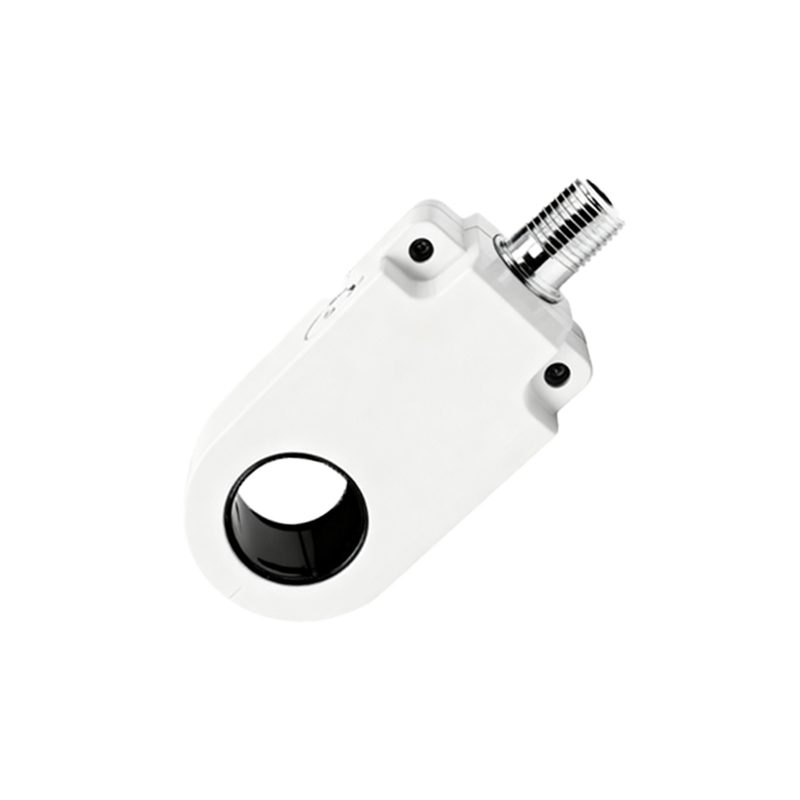
The electrical interface of a proximity sensor is paramount for seamless integration into existing control systems. Customization here extends beyond the standard NPN/PNP, NO/NC configurations. Engineers can specify voltage ranges, such as 10-30V DC or specific 24V DC industrial standards, with tailored overvoltage and reverse polarity protection. Analog output sensors (4-20mA, 0-10V) can be calibrated for specific linear ranges corresponding to precise distance measurement. Furthermore, wiring and connector types are highly customizable. Options include pre-wired cables of specific lengths and colors, various connector types (M8, M12, Micro-Change), or even flying leads with custom stripping and tinning. This eliminates the need for additional junction boxes or adapters, simplifying installation and maintenance.
Specialized Housing Materials and Form Factors
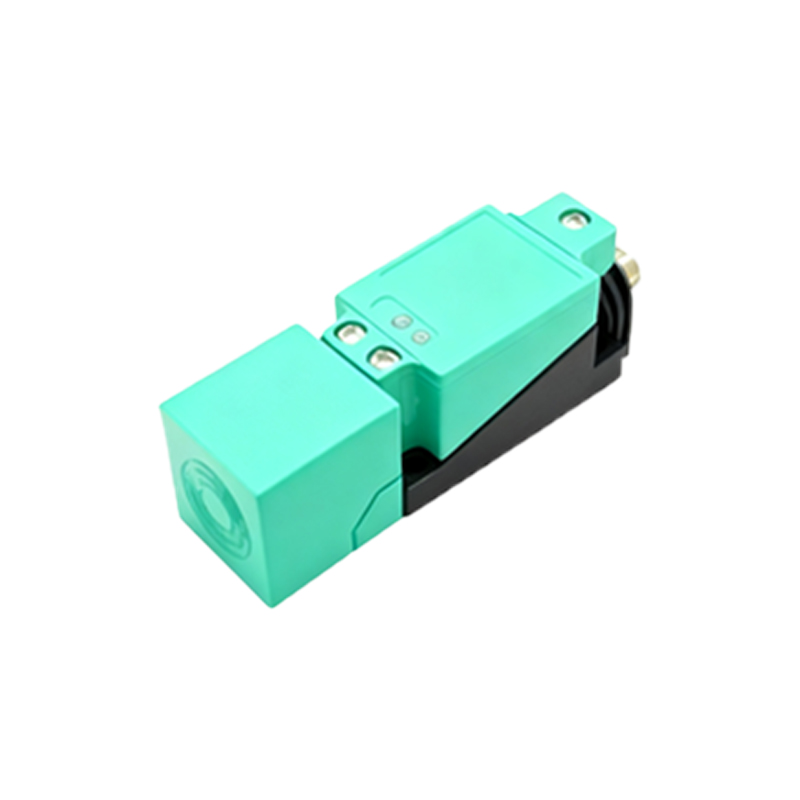
Industrial environments often present extreme conditions—corrosive chemicals, high-pressure washdowns, extreme temperatures, or heavy physical impact. Standard plastic or nickel-plated brass housings may not suffice. Customization allows for the use of specialized materials like stainless steel (e.g., 316L for high corrosion resistance), PEEK plastic for high-temperature and chemical resistance, or FDA-approved materials for food and pharmaceutical applications. The physical form factor can also be redesigned. This includes creating miniature sensors for tight spaces, elongated barrels for deep recess mounting, or sensors with specific thread types and lengths (e.g., M5, M8, M12, M18, M30). Custom shapes, such as rectangular or flat-pack designs, can be developed to fit unique machine geometries.
Environmental and Performance Enhancements
Beyond basic specifications, sensors can be enhanced to perform reliably under specific environmental stressors. Key customizations in this domain include elevated temperature ratings, allowing operation in foundries or near heat-treating ovens. For cold storage or outdoor applications, low-temperature startup and operation can be ensured. Ingress Protection (IP) ratings can be specified, such as IP67, IP68, or IP69K for dust-tight and high-pressure, high-temperature jet cleaning environments. Additional performance features include welding immunity for sensors used near robotic welders (resistant to magnetic fields and spatter), increased shielding for reduced sensing side-effects, and custom LED indicators for specific status signaling. These enhancements guarantee longevity and reduce downtime in demanding applications.
Application-Specific Sensing Technologies
The core sensing technology itself can be selected and tuned for the target material or application. While inductive sensors are standard for metals, custom versions can be optimized for specific metal types, such as detecting stainless steel at a range equivalent to mild steel. Capacitive sensors can be calibrated to ignore certain materials (like container walls) and sense only the target liquid or granulate level. For specialized needs, manufacturers offer custom ultrasonic sensors for precise distance measurement or analog laser sensors for ultra-fine resolution. In food-grade or packaging applications, sensors with reduced hysteresis and specially tuned algorithms can be developed for detecting transparent films, thin foils, or small components on high-speed conveyors.
Integration with Communication Protocols
As Industry 4.0 and IoT connectivity become standard, the ability to integrate sensors directly into digital networks is crucial. Customization now frequently involves embedding intelligence and communication